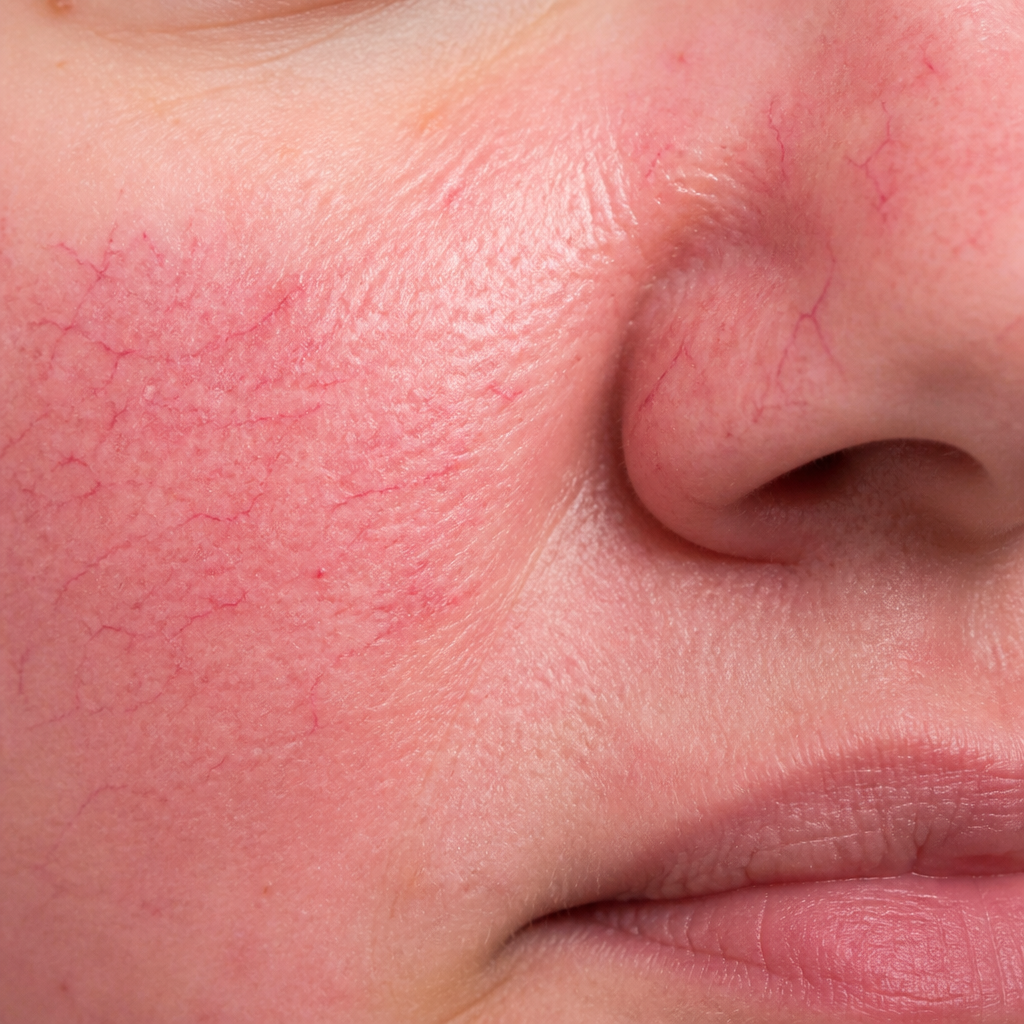
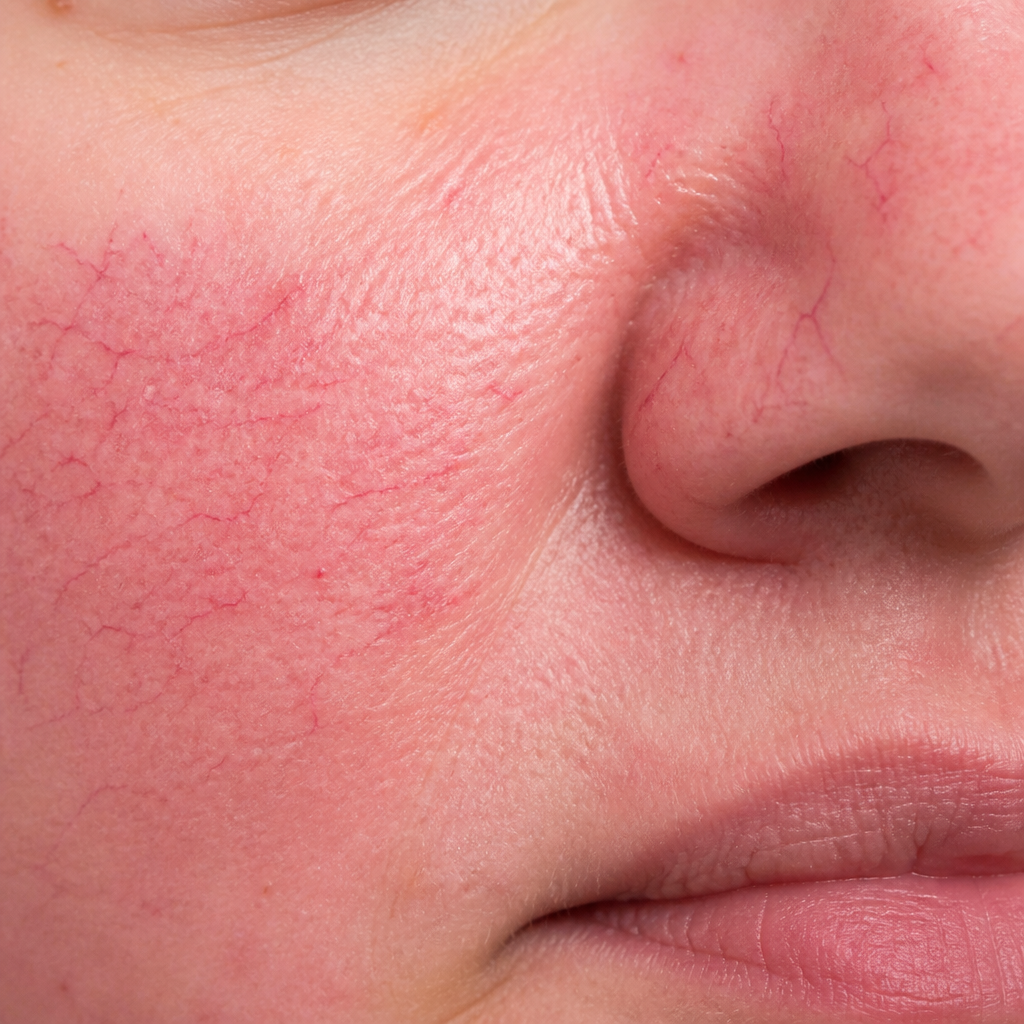
Rosacea is not “just flushing.” It is a chronic, progressive skin condition that affects the central face, often worsening over years if left unmanaged, and no amount of green-tinted concealer addresses the underlying biology. If you live in Aurora, Newmarket, Richmond Hill, or anywhere else in York Region and you have been managing rosacea with drugstore creams alone, there is a real chance you are leaving significant improvement on the table. Rosacea treatment in Aurora has evolved considerably, and a properly equipped medispa now offers clinical-grade options that primary care rarely discusses. This article explains exactly what those options are, how they work, and who actually benefits from each.
Table of Contents
- Quick Takeaways
- What Rosacea Actually Is (And What It Is Not)
- What a Rosacea Medspa in Aurora Ontario Can Actually Do
- IPL vs. Vascular Laser vs. Other Approaches: A Comparison
- What a Real Rosacea Treatment Plan Looks Like
- Managing Triggers and Maintaining Results
- Who Is a Good Candidate for Laser Rosacea Treatment in the GTA
- Frequently Asked Questions
- References
Quick Takeaways
| Key Insight | Explanation |
|---|---|
| Rosacea has four distinct subtypes | Erythematotelangiectatic, papulopustular, phymatous, and ocular rosacea each respond differently to treatment. A medspa assessment must identify your subtype before recommending any device. |
| IPL is the workhorse for redness and broken capillaries | Intense Pulsed Light targets hemoglobin in dilated vessels, causing them to collapse and fade. Most clients need 3 to 6 sessions spaced a few weeks apart for meaningful, lasting improvement. |
| Laser and IPL manage symptoms, they do not cure rosacea | Rosacea is chronic. Energy-based treatments reduce visible redness and broken blood vessels significantly, but they do not stop new vessels from forming if triggers are not also controlled. |
| Aurora winters and summers both act as triggers | Temperature extremes common in York Region, including cold wind in January and summer humidity, are known rosacea triggers. Timing treatments strategically around seasons matters. |
| Microneedling can complement rosacea care, not replace laser | For clients with skin texture concerns alongside rosacea, carefully timed microneedling sessions can support overall skin quality without the vascular targeting that IPL provides. |
| A medspa assessment is very different from a pharmacy consultation | A trained injector or laser technician evaluates your Fitzpatrick skin type, subtype, and trigger history before selecting wavelengths and fluence settings. This precision is not available over the counter. |
| Maintenance sessions are normal and expected | Most clients who achieve good clearance return for one or two maintenance sessions per year, typically timed to avoid peak sun exposure months in Ontario. |
What Rosacea Actually Is (And What It Is Not)
Rosacea is a chronic facial skin condition of unknown cause, characterized by persistent or recurring redness of the central face, visible blood vessels, inflammatory bumps, and, in some cases, thickening of skin tissue. It is not acne, not eczema, and not a reaction that clears on its own with time. If anything, untreated rosacea tends to worsen progressively.
Understanding which subtype you have determines everything about which treatments are appropriate. The four recognized subtypes are erythematotelangiectatic rosacea (persistent redness and visible capillaries), papulopustular rosacea (redness with inflammatory bumps resembling acne), phymatous rosacea (skin thickening, most often around the nose), and ocular rosacea (eye irritation and dryness). Most clients presenting at a medspa have the first or second subtype, and many have elements of both.
The exact cause remains a subject of ongoing research, but the current understanding points to a combination of genetic predisposition, neurovascular abnormalities, immune system dysregulation, and environmental triggers. What is clear is that the visible redness and broken blood vessels result from chronically dilated capillaries near the skin’s surface. That is precisely what energy-based medspa treatments address.
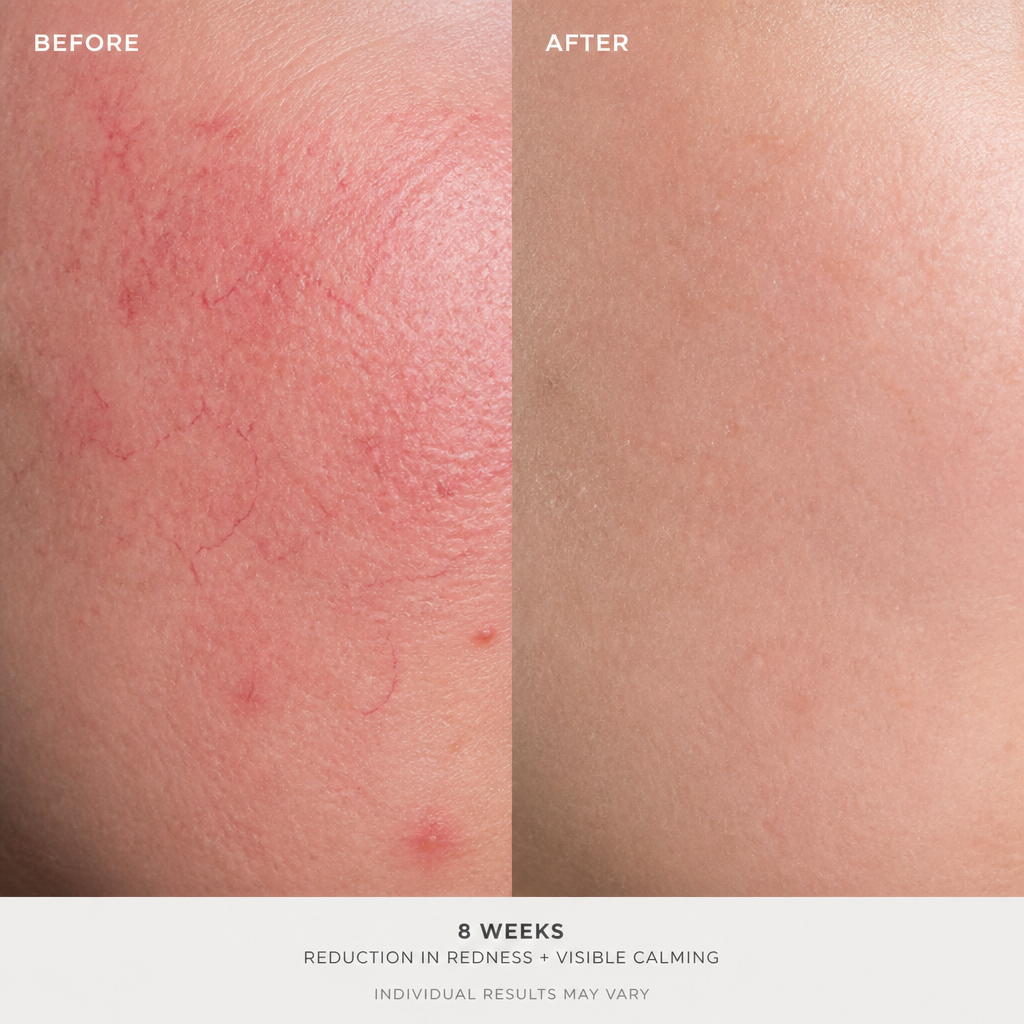
The visible blood vessels and overall redness of rosacea are best treated with light-based energy. These approaches can lessen redness and the visibility of vessels meaningfully, though they do not prevent the underlying condition from producing new vessels over time.
A common mistake clients make is waiting until their rosacea is severe before seeking professional help. Earlier intervention, when vessels are fewer and redness less entrenched, produces faster results and generally requires fewer treatment sessions.
What a Rosacea Medspa in Aurora Ontario Can Actually Do
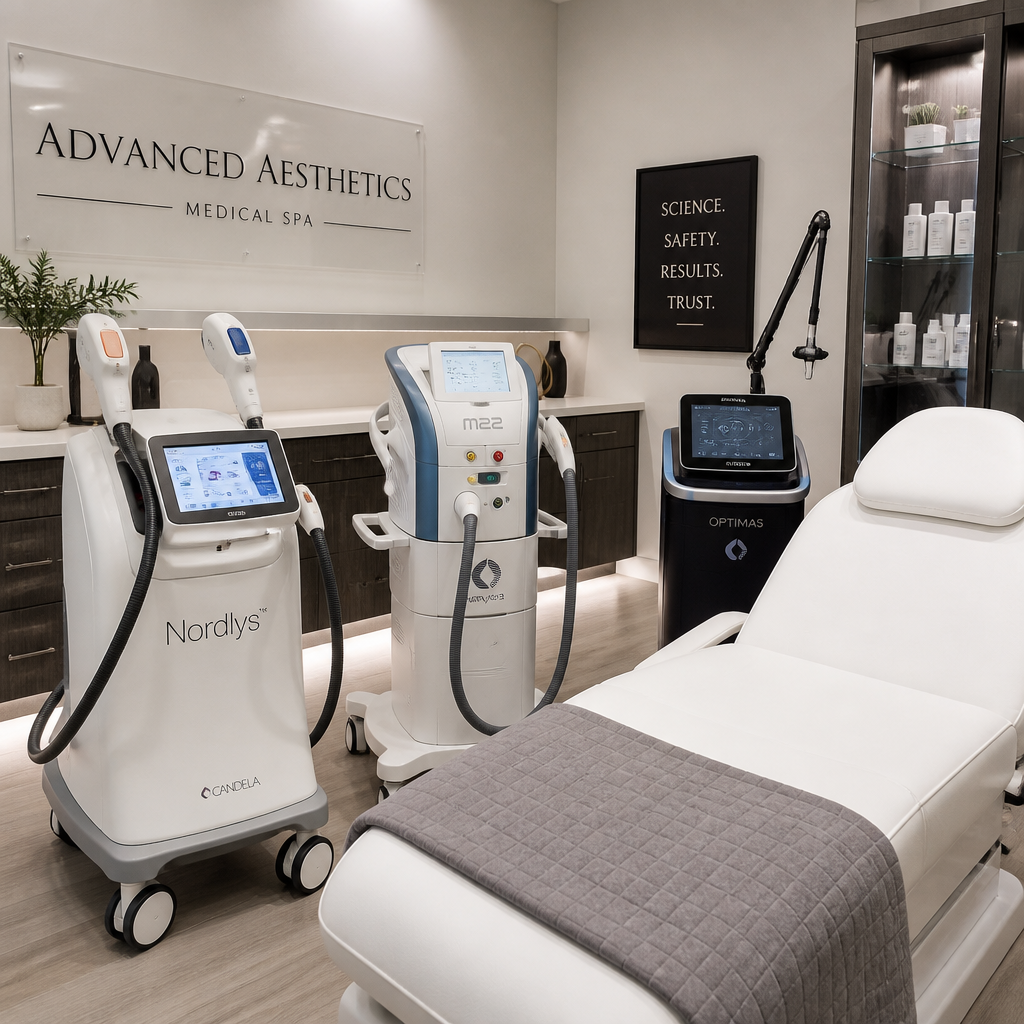
The honest answer is: quite a lot, as long as you are working with a clinic that has the right devices and experienced practitioners who understand how to calibrate them for your skin type. Here is what a capable rosacea medspa in Aurora Ontario actually brings to the table.
Intense Pulsed Light (IPL) Therapy
IPL is the most commonly used energy-based treatment for erythematotelangiectatic rosacea and is well-suited to the persistent flushing and capillary visibility that most Aurora-area clients present with. Unlike a true laser, IPL uses broad-spectrum light across a range of wavelengths. That light is absorbed by hemoglobin in dilated blood vessels beneath the skin’s surface, generating heat that causes those vessels to collapse and gradually be reabsorbed by the body.
A standard IPL session for rosacea takes roughly 20 to 30 minutes. Most clients notice some immediate reduction in redness, but the real results accumulate over 3 to 6 sessions spaced a few weeks apart. IPL has a practical advantage over older pulsed dye lasers: it uses a larger spot size, making it efficient for treating the broad areas of facial redness that rosacea typically involves, and it avoids the post-treatment bruising (purpura) that older devices were known for.
Pro tip: Schedule your IPL sessions in fall or early winter in Aurora, when UV exposure is lowest and your skin is not already compromised by summer sun. Post-treatment sun avoidance is essential, and Ontario’s October-through-February window gives you the best compliance conditions.
Vascular Lasers
For clients with particularly stubborn or prominent telangiectasias (broken blood vessels), a targeted vascular laser may outperform IPL. Vascular lasers operate at wavelengths specifically tuned to oxyhemoglobin, making them more precise for individual visible capillaries. The trade-off is a smaller treatment area per pass and, in some cases, a slightly longer recovery period.
Not every medspa carries both IPL and a dedicated vascular laser. This is worth asking about during a consultation, because clients with pronounced broken capillaries often get better vessel clearance from the more targeted device.
Medical-Grade Skin Care and Topical Support
A medspa is not limited to devices. Pairing energy-based treatments with medical-grade topical products, including those containing azelaic acid or barrier-repair ingredients, extends the interval between laser sessions and stabilizes results. This is not the same as what a pharmacy dispenses, and the difference in formulation quality and active concentration is meaningful.
Microneedling as a Complementary Option
Microneedling does not target blood vessels and is not a front-line rosacea treatment. However, for clients who also have texture concerns, enlarged pores, or mild scarring alongside their rosacea, carefully timed microneedling sessions can improve overall skin quality. The sequencing with IPL or laser sessions matters, and an experienced practitioner will space them appropriately to avoid over-stimulating already-reactive skin.
Pro tip: Never book microneedling and IPL in the same week if you have rosacea. Your skin needs time to recover between energy-based interventions, and stacking them invites unnecessary inflammation and potential flare-ups.
IPL vs. Vascular Laser vs. Other Approaches: A Comparison
Clients frequently arrive at consultations having read conflicting information about which treatment is best for rosacea. The honest answer is that the right choice depends on your subtype, skin tone (Fitzpatrick type), and the specific symptoms that bother you most. The table below compares the three main approaches a medspa can offer for rosacea management.
| Treatment Approach | Best For | Key Considerations |
|---|---|---|
| IPL (Intense Pulsed Light) | Diffuse redness, general flushing, mild-to-moderate telangiectasias across a broad facial area. Most common first-line medspa treatment for erythematotelangiectatic rosacea. | 3 to 6 sessions typically needed. Less effective on darker Fitzpatrick skin types (IV-VI). Avoid in summer months with active sun exposure. Sessions approximately 20-30 minutes each. |
| Vascular Laser | Prominent individual broken blood vessels or telangiectasias that do not respond fully to IPL. More targeted precision for stubborn capillaries. | Smaller treatment area per session. May require more post-treatment downtime. Highly operator-dependent, meaning practitioner experience with the device matters significantly. |
| Topical Prescription Support + Medical Facials | Papulopustular rosacea (the type with inflammatory bumps). Clients whose primary complaint is breakouts rather than background redness or visible vessels. | Not a standalone treatment for vascular symptoms. Works best as part of a combined protocol. Medical facials using calming, anti-inflammatory ingredients help reduce baseline reactivity between device sessions. |
What a Real Rosacea Treatment Plan Looks Like
One session is rarely enough, and anyone who tells you otherwise is either oversimplifying or overpromising. Rosacea management is a protocol, not a single appointment. Here is what a realistic plan looks like in practice at a medspa serving Aurora and the broader GTA.
Step One: Thorough Assessment
Before any device is turned on, a qualified practitioner assesses your Fitzpatrick skin type, identifies which rosacea subtype (or combination) you present with, reviews your trigger history, and examines your current skincare routine for anything that may be aggravating your condition. This typically takes a full consultation appointment.
Step Two: Initial Treatment Series
For most clients with erythematotelangiectatic rosacea, the initial series consists of 3 to 6 IPL sessions, spaced 3 to 5 weeks apart. Each session builds on the last. After the first session or two, clients often notice a period of temporary increased redness as treated vessels are being absorbed before the skin settles into a clearer baseline.
Clients with papulopustular rosacea may start with a calming medical facial protocol and topical support first, then layer in IPL once the inflammatory component is better controlled. Treating an actively inflamed skin with aggressive energy-based devices without this groundwork tends to produce suboptimal outcomes.
Step Three: Reassessment and Maintenance
After completing the initial series, most clients need reassessment every six to twelve months. Rosacea does not disappear permanently after a treatment course. New vessels form, especially when triggers are not managed, and seasonal maintenance is a normal and expected part of managing the condition long term. For Aurora and York Region clients, scheduling a maintenance session in late September or October, before winter wind exposure begins ramping up, is a practical approach many practitioners recommend.
Managing Triggers and Maintaining Results
Energy-based treatments address the visible consequences of rosacea, which are the dilated vessels and redness, but they do not switch off the underlying sensitivity that creates new vessels over time. This is why trigger management is not optional. It is the difference between results that last a year and results that fade within a few months.
Common rosacea triggers include UV exposure, temperature extremes (both heat and cold), physical exertion, spicy foods, alcohol (particularly red wine), stress, and certain skincare ingredients. For Aurora residents, winter wind is a particularly underappreciated trigger. Walking from a warm car into cold air repeatedly throughout January and February is exactly the kind of repeated vascular stress that drives flushing and progressive vessel damage.
Practical trigger management starts with a broad-spectrum SPF 30 or higher applied daily, year-round, including overcast days. Mineral sunscreens with zinc oxide are typically better tolerated by rosacea-prone skin than chemical UV filters, which can cause stinging or irritation in reactive skin. A good medspa will discuss your complete skincare routine during consultation and identify products that may be silently aggravating your condition.
Avoiding harsh exfoliants, alcohol-based toners, and high-fragrance formulations is equally important. Many clients are genuinely surprised to discover that a product they have used for years is contributing to their baseline redness. Simplifying a reactive skincare routine is sometimes the single most impactful change a client can make between treatment sessions.
Who Is a Good Candidate for Laser Rosacea Treatment in the GTA
The best candidates for laser rosacea treatment in the GTA are adults with fair-to-medium skin tones (Fitzpatrick types I through III) presenting with persistent redness, visible capillaries, or diffuse flushing. IPL and most vascular laser platforms achieve their best results in this group because the contrast between hemoglobin in vessels and surrounding skin tissue allows for precise targeting.
Clients with darker skin tones (Fitzpatrick types IV through VI) are not excluded from rosacea care, but the device selection becomes more nuanced. Certain wavelengths carry a higher risk of post-inflammatory hyperpigmentation in melanin-rich skin, and an experienced practitioner will adjust settings accordingly or choose alternative devices. This is a conversation worth having directly at your consultation, not something to accept a blanket “yes” or “no” answer about without specifics.
Active inflammatory rosacea (many pustules, significant swelling) may need to be calmed before energy-based treatment begins. Similarly, clients on photosensitizing medications, including certain antibiotics or acne medications, need to discuss timing carefully with their practitioner before any light-based treatment is applied.
Realistic expectations are the final qualifier. Candidates who understand that rosacea management is an ongoing process rather than a one-time fix consistently report higher satisfaction. The goal is meaningful, lasting reduction in redness and vessel visibility, not a permanent cure, and clients who come in with that understanding tend to engage more consistently with the maintenance protocol that produces the best long-term results.
Frequently Asked Questions
How many IPL sessions do I need for rosacea in Aurora?
Most clients require 3 to 6 IPL sessions spaced approximately 3 to 5 weeks apart for an initial treatment series. The exact number depends on how many visible vessels you have, how long they have been present, and how reactive your skin is. After the initial series, maintenance sessions every 6 to 12 months are typical for keeping results stable.
Is there any downtime after laser or IPL rosacea treatment?
Downtime is minimal for most clients. You may experience temporary redness, mild swelling, and sometimes small darkened areas where vessels are being broken down for 1 to 5 days after a session. The skin may feel warmer and slightly sensitive. You should avoid direct sun exposure and strenuous heat (hot showers, saunas, exercise) for 24 to 48 hours post-treatment. Most clients return to normal daily activities the same day or the day after.
Can rosacea be cured at a medspa?
No, and any clinic claiming to cure rosacea is overpromising. Rosacea is a chronic condition with a genetic and neurovascular component that current treatments do not eliminate. What IPL, vascular lasers, and supportive skincare protocols genuinely achieve is a significant, lasting reduction in visible symptoms. Many clients reach a point where their rosacea is barely noticeable between maintenance sessions, which is a meaningful quality-of-life improvement even if it is not a cure.
What is the difference between rosacea and acne, and does it change my treatment options?
Rosacea and acne can look similar but are biologically different. Papulopustular rosacea produces red bumps and occasional pustules on a background of redness, while acne produces comedones (blackheads, whiteheads) and deeper cysts on skin that is not necessarily persistently red. Many acne treatments, including retinoids and aggressive exfoliants, can actually worsen rosacea by irritating already-reactive skin. A medspa assessment that identifies your correct diagnosis prevents you from pursuing treatments that make your skin worse instead of better.
Does rosacea get worse in Ontario winters?
For many people, yes. Cold wind, rapid temperature changes between indoor heated environments and outdoor cold, and dry winter air are all recognized rosacea triggers. Aurora and the surrounding York Region area experience significant temperature swings throughout the season, and the repeated vascular stress from going between cold outdoor air and warm interiors can drive flushing and progressive vessel damage. Protective barriers like scarves, mineral SPF, and reducing exposure to extreme temperature shifts all help manage winter flares.
Can I combine rosacea treatment with other medspa services like Botox or microneedling?
In many cases, yes, but sequencing and spacing matter. Some providers combine carefully placed Botox with rosacea management to reduce flushing associated with vascular dilation, though this application requires specific expertise. Microneedling can be considered for clients who also have texture concerns, but it should never be scheduled in the same week as IPL or vascular laser treatment. Your practitioner should design a combined protocol that respects the recovery needs of rosacea-prone skin, rather than stacking multiple energy-based treatments too closely together.
Have you tried managing your rosacea with professional treatments, and what has made the biggest difference for your skin? We would love to hear your experience in the comments below.
References
- Peer-reviewed research on IPL therapy for rosacea and telangiectasias: mechanisms, advantages, and clinical outcomes
- Mayo Clinic overview of rosacea subtypes, causes, and laser-based treatment approaches
- Clinical trial documentation on rosacea subtypes, classification, and neurovascular triggers
- American Academy of Family Physicians clinical guidance on rosacea diagnosis, subtypes, and treatment protocols
- Canadian medical laser clinic resource on rosacea laser treatment options and cost ranges in Canada