
If a friend referred you to a medical spa and mentioned “blood facials,” you probably did a quick search and landed here wondering what the difference actually is. Both PRP therapy Aurora clients have been requesting for years and the newer PRF facial option use your own blood to trigger collagen production and skin renewal. But they are not the same treatment, and choosing the wrong one for your skin goals is a genuinely common mistake. This guide breaks down the science, the practical differences, and the results you can realistically expect at a clinic like Skin Excellence Medispa in Aurora, Ontario.
Table of Contents
- Quick Takeaways
- What Is PRP Therapy and How Does It Work?
- What Is PRF and How Is It Different?
- Key Biological Differences Between PRP and PRF
- PRP vs. PRF vs. Microneedling with PRP: Side-by-Side Comparison
- What Skin Results Can You Actually Expect?
- Who Is the Best Candidate for Each Treatment?
- What Happens During a Session at a Medispa
- Frequently Asked Questions
- References
Quick Takeaways
| Key Insight | Explanation |
|---|---|
| PRF contains more growth factors than PRP | PRF is processed at a lower centrifuge speed, retaining fibrin, white blood cells, and stem cells that PRP loses during faster spinning. |
| PRF releases growth factors more slowly | The fibrin matrix in PRF acts as a scaffold that releases growth factors over days rather than hours, producing a longer regenerative signal. |
| PRP has a longer clinical history | PRP has been studied in aesthetic medicine since the early 2000s. PRF has a shorter track record but an expanding body of peer-reviewed research backing its results. |
| Neither treatment uses additives in a quality clinic | Reputable clinics like Skin Excellence Medispa use pure autologous preparations. Anticoagulant additives in some PRP kits can actually reduce platelet activity. |
| Combining with microneedling amplifies both treatments | Microneedling creates microchannels that allow PRP or PRF to penetrate deeper into the dermis, significantly improving collagen stimulation. |
| Results require multiple sessions | Most patients need 3 sessions spaced 4 to 6 weeks apart to see peak collagen remodeling. A single session is rarely sufficient for lasting improvement. |
| Downtime is minimal but not zero | Expect redness and mild swelling for 24 to 72 hours. PRF tends to cause slightly more initial swelling due to the fibrin content, but this resolves quickly. |
What Is PRP Therapy and How Does It Work?
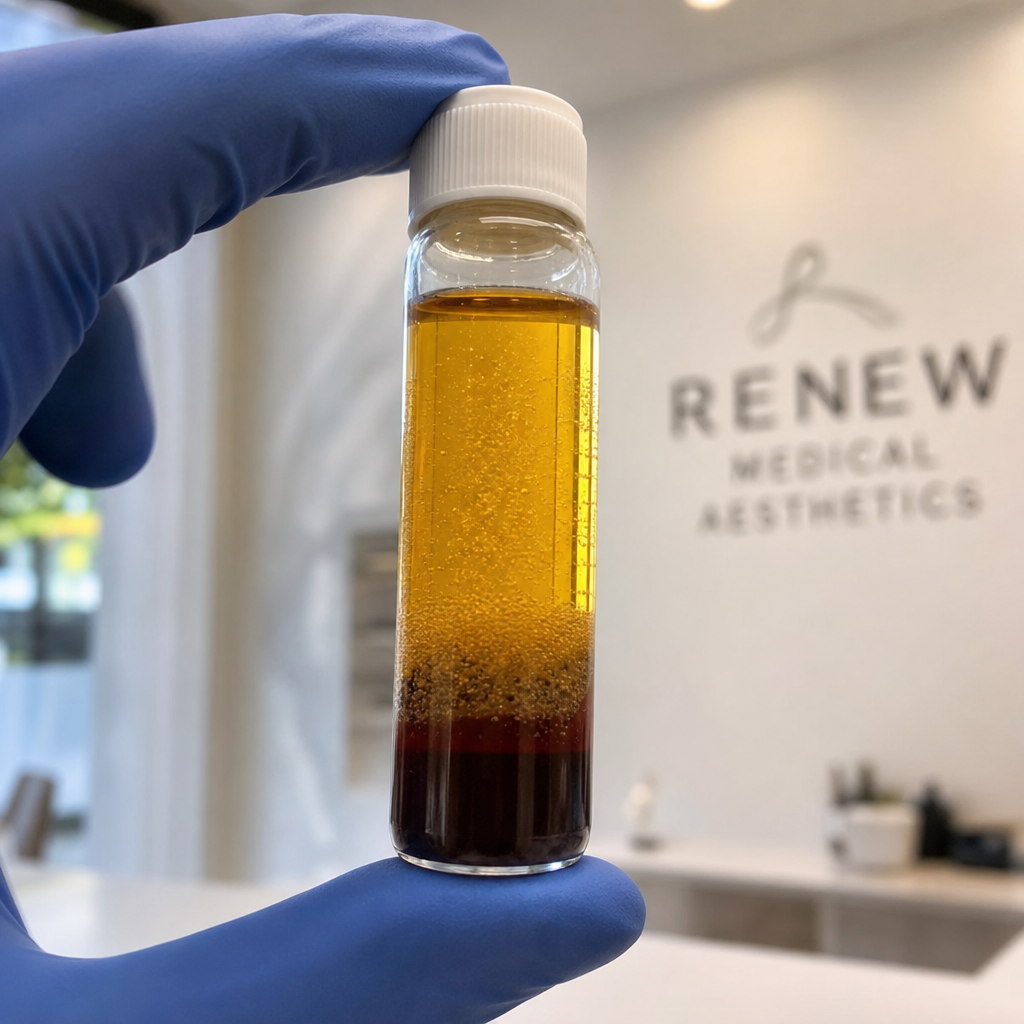
Platelet-rich plasma therapy involves drawing a small amount of your blood, typically 10 to 30 millilitres, spinning it in a centrifuge to separate the plasma layer rich in platelets, and then injecting or topically applying that concentrated plasma to the treatment area. The platelet concentration in PRP is typically 3 to 5 times higher than in whole blood, which is what gives it its regenerative capability.
Platelets release proteins called growth factors, including platelet-derived growth factor (PDGF), transforming growth factor beta (TGF-b), and vascular endothelial growth factor (VEGF). These proteins signal your fibroblasts, the cells responsible for collagen and elastin production, to begin repairing and remodelling the tissue. In practice, this translates to gradual skin tightening, improved texture, and a reduction in fine lines over a series of treatments.
PRP therapy Aurora clients have been receiving for anti-aging purposes has proven effective for concerns including loss of volume, dull skin tone, acne scarring, and thin under-eye skin. The under-eye area, or tear trough region, is one area where PRP’s liquid consistency makes it particularly useful for precise, shallow injection.
What Is PRF and How Is It Different?
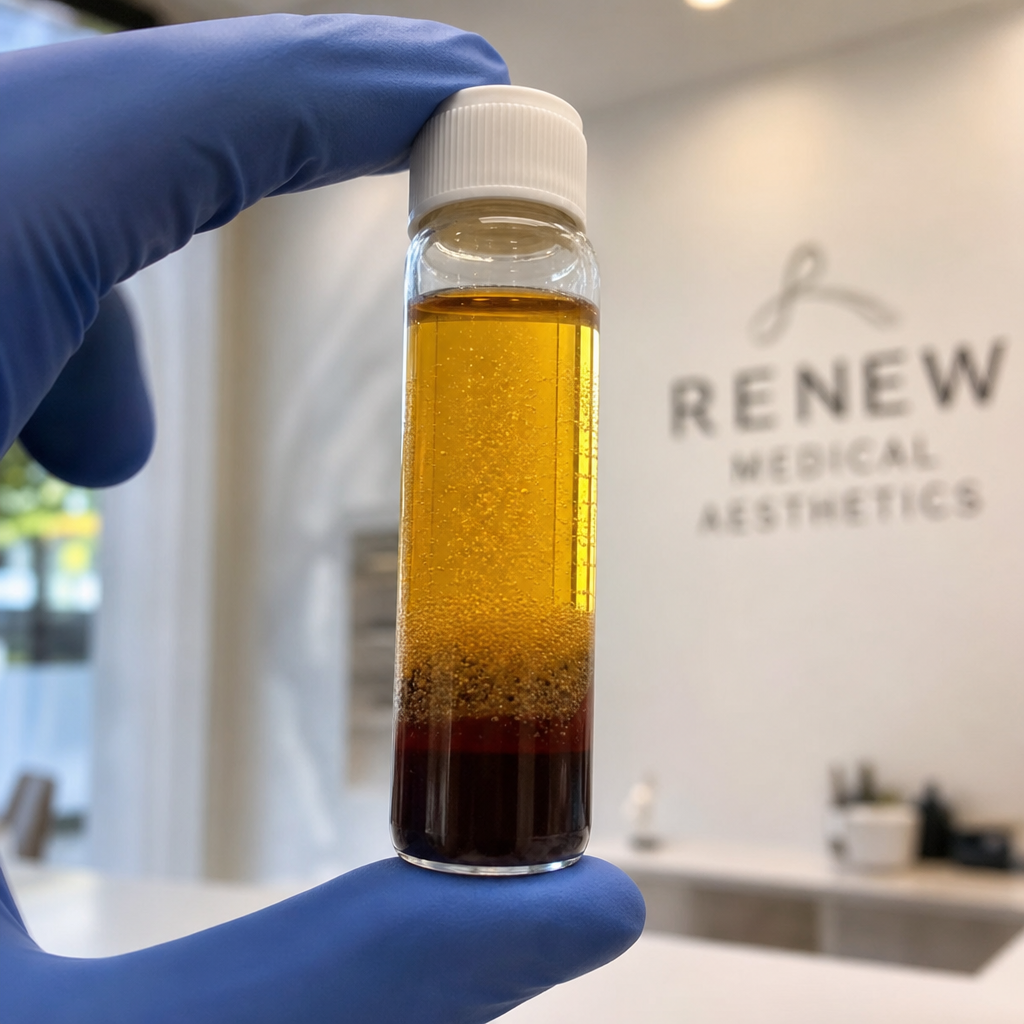
Platelet-rich fibrin is the second generation of blood-based treatments. It is produced from the same blood draw but using a slower centrifuge speed, typically around 1300 RPM compared to PRP’s 3000 to 4000 RPM. That slower spin keeps the fibrin, white blood cells, and a small number of stem cells in the final product rather than discarding them into a separate layer.
The result is a gel-like or membrane-like substance rather than the thin liquid you get with PRP. That fibrin network is the critical difference. It acts as a three-dimensional scaffold that traps the growth factors and releases them slowly over a period of 7 to 10 days. PRP, by contrast, releases most of its growth factors within the first few hours after application.
A PRF facial Aurora patients receive today is often performed as an injectable filler alternative, a microneedling adjunct, or a topical soak applied during fractional treatments. The fibrin gel can also be used beneath the eyes as a natural volumizing alternative to hyaluronic acid filler in select candidates.
Key Biological Differences Between PRP and PRF
Centrifuge Speed and What It Preserves
This is the single most important technical distinction. High-speed centrifugation in PRP preparation pushes red blood cells and white blood cells to the bottom, but it also forces many of the platelet-activating proteins and fibrin precursors away from the usable plasma layer. You get a high platelet count, but you lose fibrin and leukocytes entirely.
PRF’s low-speed protocol retains those components. According to research published in journals indexed by the National Center for Biotechnology Information, PRF preparations show higher concentrations of growth factors including TGF-b1 and VEGF compared to standard PRP at the 7-day mark, precisely because of the slow-release fibrin mechanism.
Additive-Free Processing
Many older PRP kits required anticoagulants like sodium citrate or acid-citrate-dextrose to prevent clotting during processing. The problem is that these additives change the pH of the plasma and have been shown to reduce platelet activation. PRF is processed with no additives whatsoever, which means the platelets are fully intact and biologically active when delivered to the skin.
At a clinic serious about results, this matters. The absence of anticoagulants in PRF is not a minor detail. It is one of the reasons PRF tends to produce a more robust biological response in the tissue.
Longevity of the Growth Factor Signal
PRP delivers its growth factors quickly. This is useful in surgical settings where you need rapid tissue response, but in aesthetic skin treatments, a prolonged signal tends to produce more sustained collagen remodelling. PRF’s fibrin scaffold extends that growth factor release window significantly, which is why many practitioners who work with both treatments now prefer PRF for skin rejuvenation specifically.
Pro tip: If you are trying to decide between PRP and PRF for fine lines around the eyes or mouth, PRF is typically the stronger choice because of its prolonged growth factor release and thicker consistency, which provides a subtle volumizing effect in addition to stimulating collagen.
PRP vs. PRF vs. Microneedling with PRP: Side-by-Side Comparison
The chart below compares the three most commonly offered platelet-rich plasma skin treatment variations at medical aesthetic clinics to help clarify which scenario each option suits best.
| Treatment | Best For | Key Limitation |
|---|---|---|
| PRP (Standard Injections) | Under-eye hollows, hair restoration, precise localized volume loss, patients who want a faster procedure | Growth factors release quickly, shorter regenerative signal, requires anticoagulants in some kits |
| PRF (Injectable or Topical Gel) | Overall facial rejuvenation, acne scarring, fine lines, natural filler alternative for mild volume loss | Slightly more initial swelling, must be used immediately after centrifugation before fibrin solidifies |
| Microneedling with PRP or PRF | Skin texture, large pore appearance, acne scarring, general collagen stimulation across the full face | More downtime than injections alone, 48 to 72 hours of visible redness, not suitable for active breakouts |
What Skin Results Can You Actually Expect?
Let’s be specific, because vague promises about “glowing skin” do not help anyone make an informed decision. For most patients completing a full series of three treatments spaced 4 to 6 weeks apart, here is what the data and in-practice experience actually show.
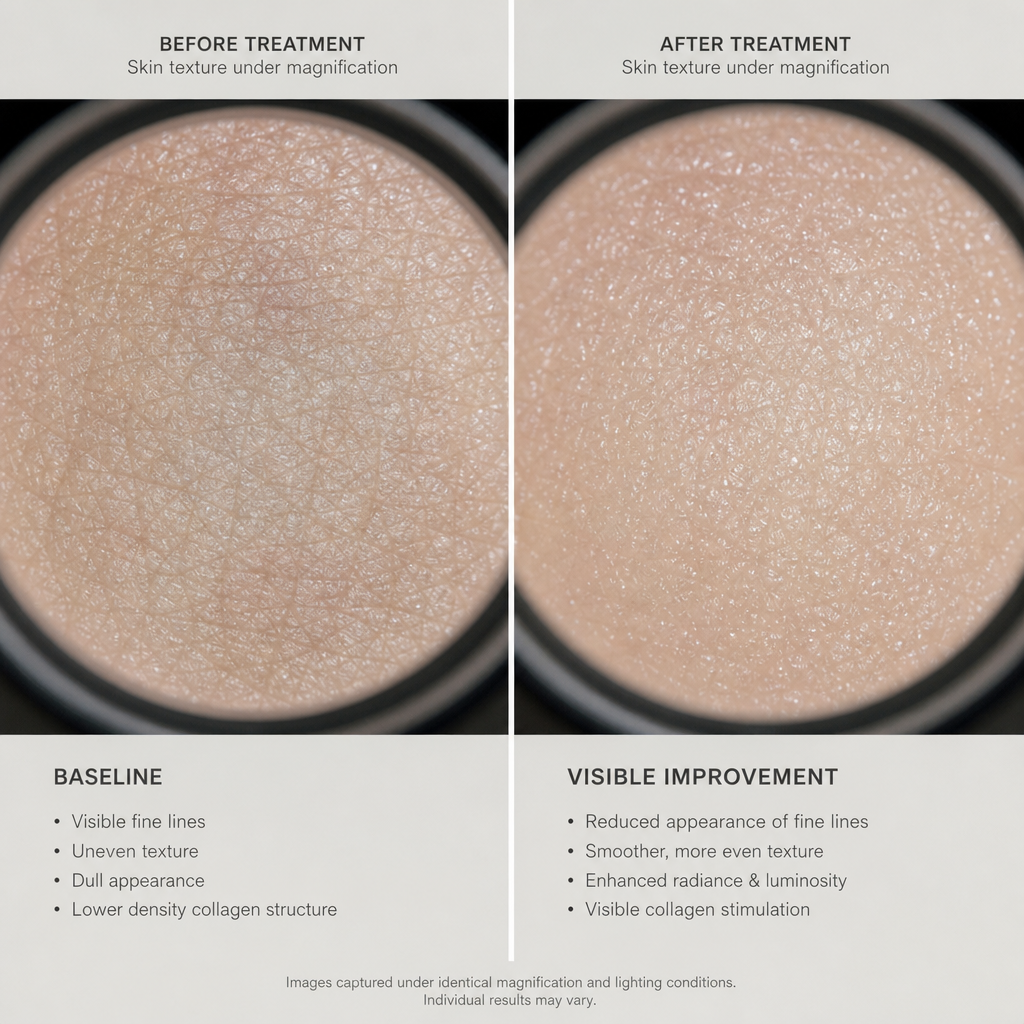
For fine lines and skin texture, both PRP and PRF produce measurable improvement. A 2019 study published through PubMed comparing PRP and PRF for facial rejuvenation found that PRF produced statistically superior collagen density scores at 6 months post-treatment compared to PRP. The difference was not dramatic after one session but became clinically meaningful after a full series.
“Platelet-rich fibrin demonstrates superior growth factor concentration and sustained release kinetics compared to first-generation PRP, making it a compelling advancement in autologous skin regeneration.” – Dr. Joseph Choukroun, pioneer of PRF research and originator of the L-PRF protocol
For under-eye darkness and hollowness, PRP injections remain a strong option and have a more established track record in that specific application. The thinner consistency of PRP allows for very precise, superficial placement in the tear trough without risk of the lumpiness that can sometimes occur with thicker injectables.
For acne scarring, microneedling combined with PRF is consistently the highest-performing option among the blood-based treatments. The mechanical injury from the needles combined with the extended growth factor release from PRF creates a collagen remodelling response that addresses both the surface texture and the deeper dermal structure of scars.
Who Is the Best Candidate for Each Treatment?
Ideal PRP Candidates
PRP works best for patients in their late 30s to early 50s who are beginning to notice volume loss under the eyes, general skin dullness, or early signs of laxity. Patients with mild hair thinning who are exploring non-surgical scalp treatments also respond well to PRP injections. If you have a platelet disorder, are taking blood thinners, or have active skin infections, neither PRP nor PRF is appropriate until those conditions are addressed.
Ideal PRF Candidates
PRF is particularly well-suited for patients who want a more comprehensive facial rejuvenation effect, those dealing with acne scarring, and patients who prefer an entirely additive-free treatment. Patients who have had PRP previously and found the results underwhelming often see significantly better outcomes when switching to PRF, usually because the sustained growth factor release produces a more complete collagen remodelling cycle.
Patients combining PRF with other treatments offered at Skin Excellence Medispa, such as Sculptra for deeper volumizing or microneedling for texture refinement, tend to achieve the most comprehensive outcomes. These treatments address different tissue depths and mechanisms, so they complement rather than duplicate each other.
Pro tip: If you are visiting Skin Excellence Medispa in Aurora for a consultation and your primary concern is skin texture and dullness rather than volume loss, ask specifically about PRF with microneedling rather than standalone PRP injections. The combination addresses the dermal layer more aggressively than either treatment alone.
What Happens During a Session at a Medispa
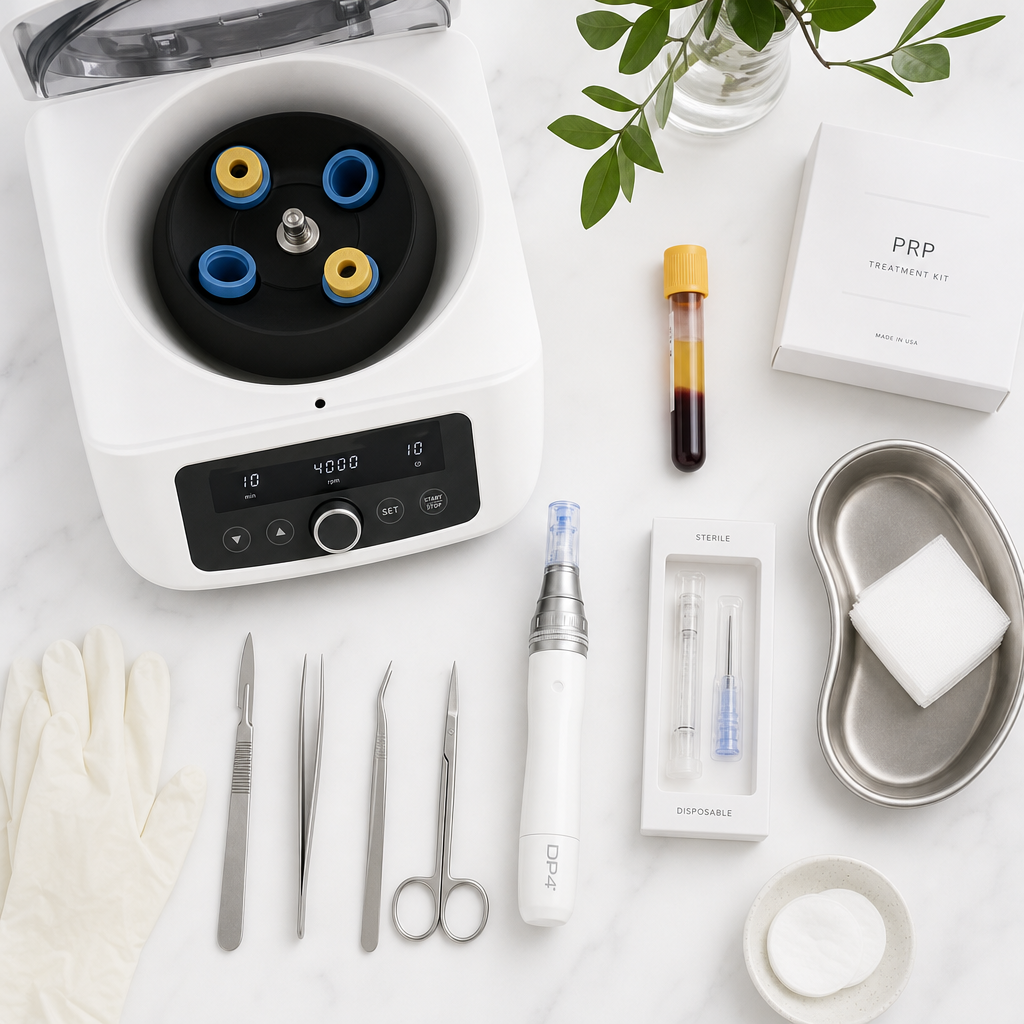
Both treatments begin with a blood draw, which takes about 5 minutes and typically uses one or two collection tubes. The blood is then placed in a centrifuge. For PRP, the spin takes about 10 minutes. For PRF, it is a similar duration but at the lower speed discussed above. The processing time is not dramatically different, so the choice between them does not come down to convenience.
After centrifugation, the practitioner extracts the usable layer, either the liquid PRP or the gel-like PRF, and prepares it for application. If injections are being performed, a topical numbing cream applied 20 to 30 minutes beforehand keeps the experience comfortable. If microneedling is being combined with the treatment, the PRP or PRF is applied topically immediately after the needling pass so it can absorb through the microchannels.
The full appointment, including preparation, processing, and treatment, typically runs 60 to 90 minutes. Most patients return to normal activities the next day, though some redness and minor swelling is expected for 24 to 72 hours. Sun exposure should be avoided for at least 48 hours post-treatment, and physical activity that causes significant sweating is best avoided for 24 hours.
At Skin Excellence Medispa, the practitioners tailor the application technique to the patient’s specific concerns rather than using a one-size-fits-all protocol. That customization, whether it means combining PRF with a hyaluronic acid filler in the same session or pairing it with laser treatment, is what separates a medical aesthetic clinic from a basic spa setting.
Frequently Asked Questions
Is PRF better than PRP for anti-aging results?
For most aesthetic skin concerns, yes. PRF delivers a broader mix of regenerative components, including fibrin, white blood cells, and stem cells, plus a significantly longer growth factor release window. The data consistently shows superior collagen density outcomes at 6-month follow-ups when PRF is compared directly to standard PRP. That said, PRP remains an excellent choice for specific applications like under-eye injections where its thinner consistency is actually an advantage.
How many sessions of PRP or PRF do I need to see results?
A realistic protocol is three sessions spaced 4 to 6 weeks apart for initial results, followed by one maintenance treatment every 6 to 12 months. Visible improvement in skin texture can begin after the first session, but the full collagen remodelling effect, which is where the real anti-aging benefit lives, takes 3 to 6 months to mature after a complete series. Expecting dramatic results from a single treatment is unrealistic and will lead to disappointment.
Does PRP or PRF hurt?
The blood draw is the same as any routine blood test. The injections or microneedling application is made comfortable with topical numbing cream applied before the procedure. Most patients describe the sensation as mild pressure or warmth rather than sharp pain. The post-treatment period involves redness and occasional mild swelling but is not typically painful.
Can I combine PRP or PRF with Botox or dermal fillers?
Yes, and this is actually a common treatment pairing at clinics like Skin Excellence Medispa. Botox addresses dynamic wrinkles caused by muscle movement, while PRP or PRF stimulates collagen and improves overall skin quality. These mechanisms are complementary, not redundant. Practitioners typically perform Botox and fillers in a separate session from PRP or PRF, or they sequence them carefully within the same appointment to avoid interfering with the placement of either treatment.
Is there any risk of allergic reaction to PRP or PRF?
Because both treatments are derived entirely from your own blood, the risk of allergic reaction is extremely low. This is one of the strongest arguments in favour of autologous blood treatments compared to synthetic injectables. The primary risks are infection at the injection site, bruising, and, in rare cases, temporary lumping if the PRF fibrin gel is not distributed evenly. These risks are minimized significantly when the treatment is performed by a trained aesthetic practitioner in a clinical setting.
How is PRP or PRF different from a regular facial at a spa?
The difference is biological depth. A standard facial works at the surface level to cleanse, exfoliate, and temporarily hydrate the skin. PRP and PRF work by triggering your body’s own wound-healing and collagen-production cascade from within the dermis. The results from a proper blood-based treatment series persist for months and involve structural changes to the skin, not surface hydration that washes off within days.
Have you already tried PRP or PRF therapy at a medispa in the GTA? Share what your experience was like and whether you noticed a difference between the two treatments.
References
- National Center for Biotechnology Information: peer-reviewed research on platelet-rich plasma and platelet-rich fibrin in aesthetic medicine
- Statista: global market data and growth statistics for the medical aesthetics and regenerative medicine industry
- Forbes: editorial coverage of emerging trends in non-surgical cosmetic treatments and the medical spa sector
- U.S. Department of Health and Human Services: regulatory guidance on autologous blood-based treatments and safety standards
- Ahrefs Blog: consumer search trend data relevant to medical aesthetics and treatment discovery patterns