
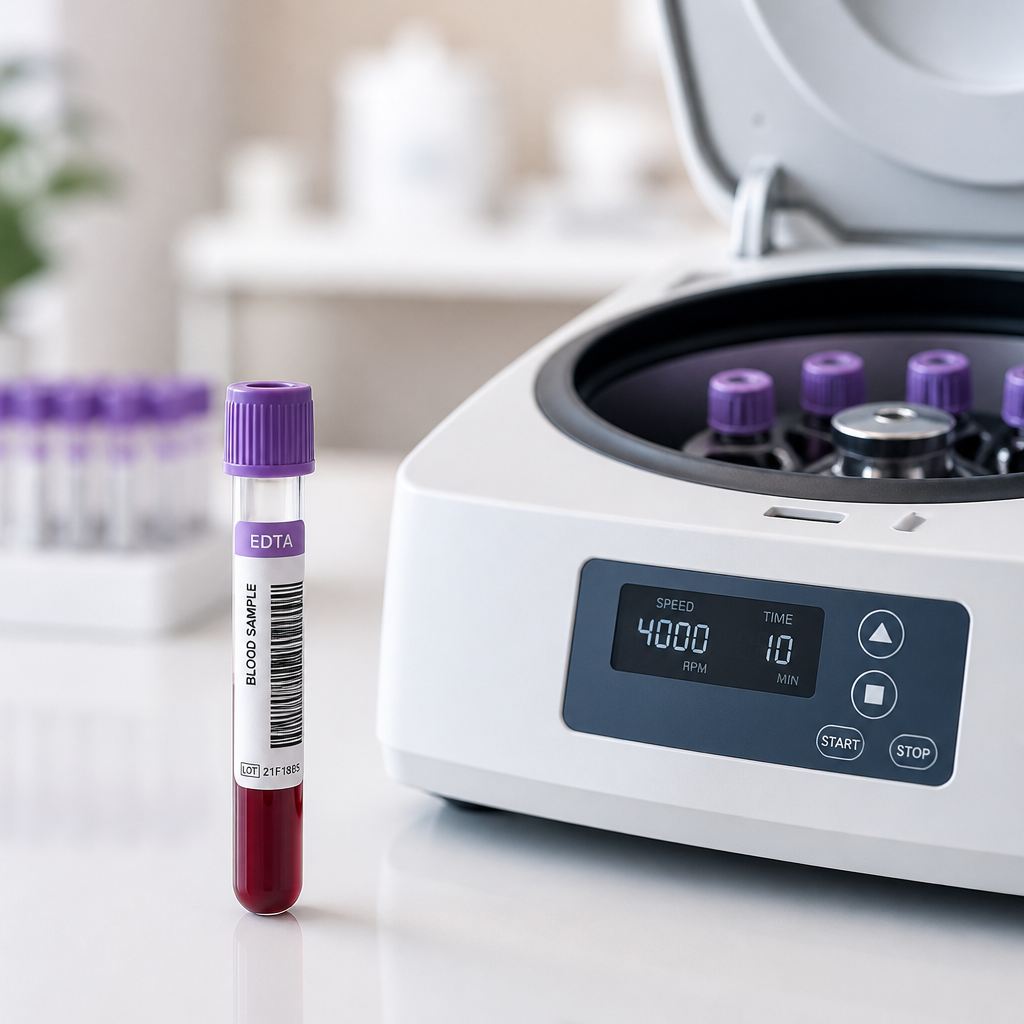
If a friend told you about their amazing PRP facial at a medispa and you looked it up only to find articles also talking about PRF, you are not alone in the confusion. PRF vs PRP in Aurora is one of the most common questions patients ask before booking a regenerative skin or hair treatment, and the answer matters more than most providers explain upfront. These are not interchangeable acronyms for the same thing. They use your own blood, yes, but the preparation method, the biological content, and the way your body responds to each are meaningfully different. Here is the straightforward breakdown you deserve before your consultation.
Table of Contents
- What Is PRP and How Does It Work?
- What Is PRF and Why Is It Called Second-Generation?
- The Core Differences Between PRF and PRP
- PRF vs PRP vs Injectable PRF: Side-by-Side Comparison
- Which Treatment Is Right for You?
- PRF Facial in Ontario: What to Expect at a Medispa
- Frequently Asked Questions
- References
What Is PRP and How Does It Work?
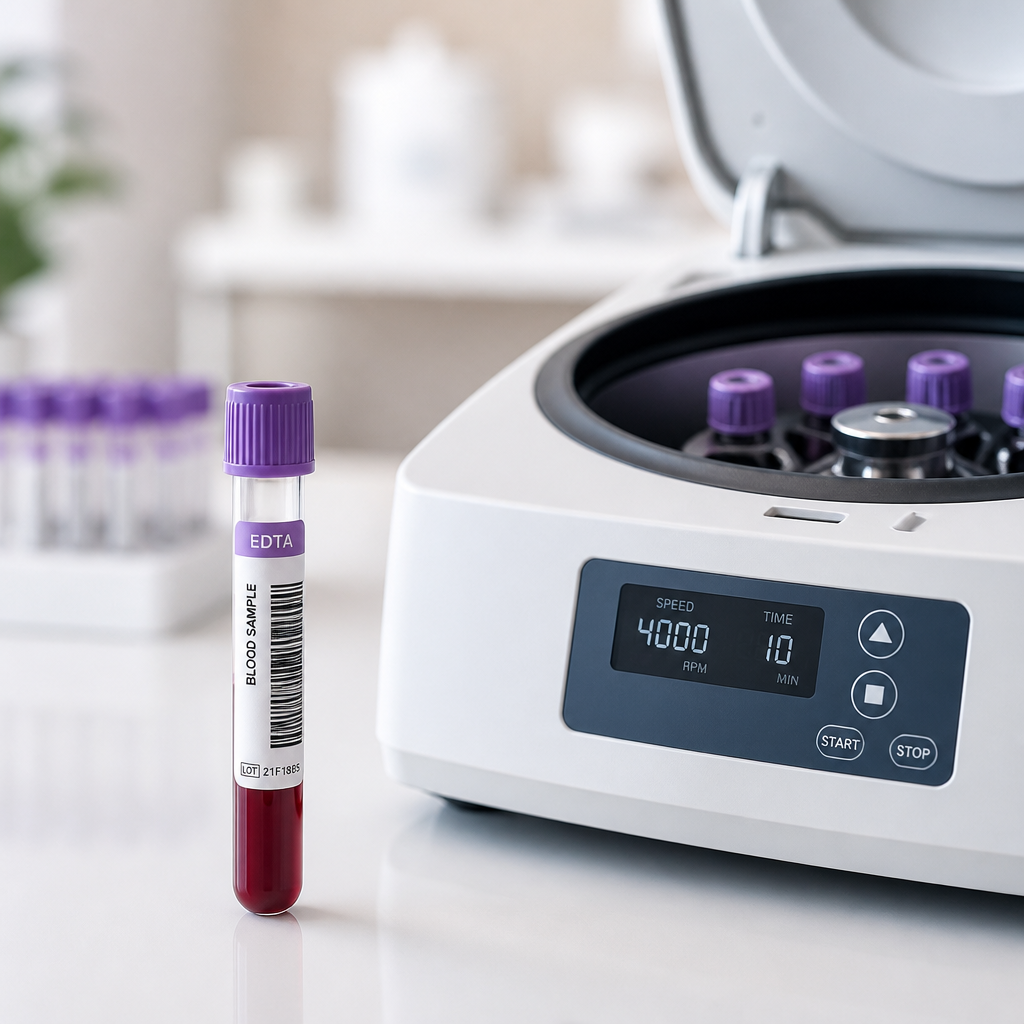
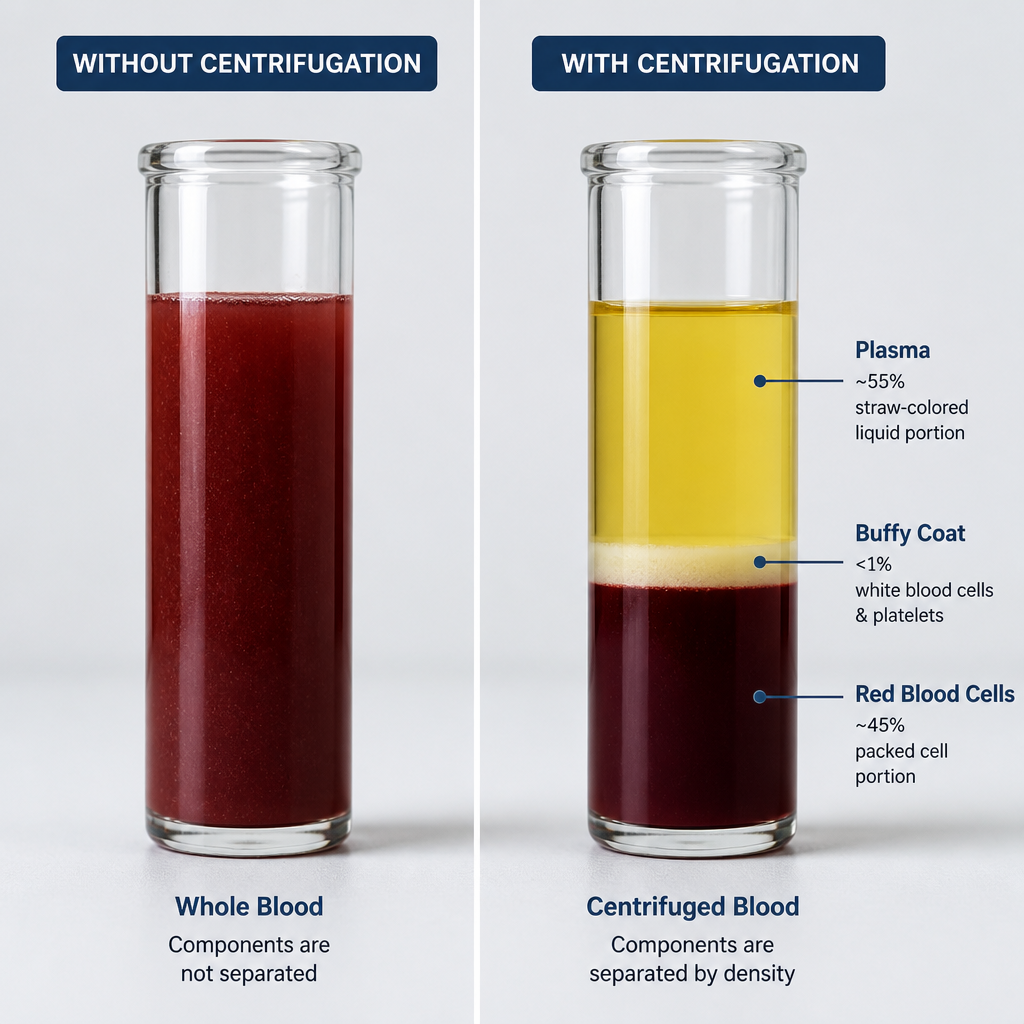
Platelet-Rich Plasma, or PRP, is produced by drawing a small amount of your blood, adding an anticoagulant to keep it in liquid form, and spinning it in a centrifuge at high speed (typically between 1,500 and 3,000 RPM). This process separates the blood into layers, and the platelet-concentrated portion is extracted as a liquid product ready for injection or topical application during a procedure like micro-needling.
The platelets in PRP carry growth factors including PDGF (platelet-derived growth factor) and VEGF (vascular endothelial growth factor), both of which signal the skin to ramp up collagen production and begin tissue repair. Because the PRP remains liquid and the platelets are immediately activated on injection, growth factor release is fast. Research indicates that PRP releases approximately 70% of its growth factors within the first 10 minutes of activation and around 95% within the first hour.
That speed is actually a trade-off. The burst is potent, but it is brief. Once those growth factors are released, their active presence in your tissue diminishes quickly, which means the regenerative window is short.
Pro tip: PRP tends to work well when combined with treatments that benefit from an immediate collagen stimulus, such as micro-needling or laser sessions. The rapid release aligns with the acute injury response your skin is already mounting.
What Is PRF and Why Is It Called Second-Generation?
Platelet-Rich Fibrin (PRF) was developed specifically to address the limitations of PRP. It is widely described in clinical literature as a second-generation platelet concentrate, and that label is earned. The preparation removes anticoagulants entirely, which eliminates the hypersensitivity concerns some patients have with PRP, and it changes the fundamental structure of what gets injected.
Because no anticoagulant is used, the blood naturally begins to clot during the lower-speed centrifugation process (around 1,300 to 1,500 RPM). This forms a fibrin matrix, a scaffold-like network that physically traps platelets, leukocytes (white blood cells), and growth factors inside it. When this material is injected, it does not dump its contents all at once. Instead, growth factors are released gradually over 7 to 14 days as the fibrin naturally breaks down in your tissue.
The addition of leukocytes (white blood cells) is also clinically significant. White blood cells play a role in tissue healing and immune modulation, and their presence in PRF is something standard PRP preparations do not provide to the same degree.
There are different PRF formulations worth knowing about. Leukocyte-rich PRF (L-PRF) traps both platelets and white blood cells in the fibrin clot. Advanced PRF (A-PRF) is associated with higher release of growth factors. Injectable PRF (I-PRF or i-PRF), the version most relevant to facial aesthetic treatments, initially remains in a liquid state before gradually forming the fibrin matrix, which makes it suitable for injection rather than placement as a membrane.
The fibrin matrix is what makes PRF fundamentally different. It allows growth factors to be released gradually over time rather than all at once, which is how sustained collagen stimulation is achieved in the tissue.
The Core Differences Between PRF and PRP
The distinction between PRP and PRF is not just about marketing language. It comes down to preparation chemistry, biological composition, and the timeline over which your skin receives the therapeutic signals.
Preparation Method and Tube Chemistry
PRP tubes contain an anticoagulant additive. This keeps the blood from clotting during centrifugation, which is necessary at higher spin speeds to isolate the platelet-rich plasma layer cleanly. PRF tubes contain nothing additional. The blood goes in as drawn, and the centrifuge spins it at lower speed, allowing the natural clotting cascade to begin and create the fibrin architecture during the spin itself.
This also means timing is far more critical with PRF. The blood must be centrifuged within a few minutes of the draw before the fibrin begins to polymerize prematurely outside the tube. Experienced practitioners know this well, and it is a sign of good clinical protocol when a team treats PRF preparation with that level of precision.
Biological Content
PRP delivers concentrated platelets suspended in liquid plasma. PRF delivers platelets, leukocytes, and growth factors suspended within and gradually released from a three-dimensional fibrin matrix. That structural difference changes everything about how your body processes the treatment.
Growth Factor Release Timeline
This is arguably the most important practical difference for patients. PRP gives you a fast, concentrated burst of growth factor activity that winds down within hours. PRF gives you a sustained release that continues over 7 to 14 days as the fibrin breaks down. For skin rejuvenation and hair restoration, that extended window means your tissue receives a prolonged regenerative signal rather than a single sharp one.
Pro tip: If you are considering a platelet-rich treatment for under-eye hollowing or thinning hair, ask specifically whether the clinic offers injectable PRF (i-PRF). The under-eye area in particular responds well to the gradual, predictable release pattern that PRF provides, because the skin there is delicate and the goal is subtle, sustained improvement rather than a dramatic overnight change.
PRF vs PRP vs Injectable PRF: Side-by-Side Comparison
The table below puts the three most relevant formats side by side to help you and your practitioner have a more specific conversation about which approach fits your goals.
| Feature | PRP (Platelet-Rich Plasma) | Standard PRF (L-PRF / A-PRF) | Injectable PRF (i-PRF) |
|---|---|---|---|
| Generation | First-generation platelet concentrate | Second-generation platelet concentrate | Second-generation platelet concentrate |
| Anticoagulant used? | Yes | No | No |
| Centrifuge speed | High (1,500 to 3,000 RPM) | Low (1,300 to 1,500 RPM) | Low (modified protocol) |
| Contains leukocytes? | Minimal | Yes (trapped in fibrin clot) | Yes (higher levels than L-PRF) |
| Product form | Liquid plasma | Solid or semi-solid fibrin membrane/clot | Initially liquid, then forms fibrin matrix |
| Growth factor release | Fast burst: ~70% in first 10 minutes, ~95% within first hour | Gradual: over 7 to 14 days as fibrin degrades | Gradual: sustained release post-injection |
| Primary aesthetic uses | Skin rejuvenation, micro-needling, hair restoration | Wound healing, surgical recovery support | Under-eye rejuvenation, skin quality, hair thinning |
| Best for patients who want | Quick response, proven track record, combination treatments | Natural scaffold for healing applications | Subtle, sustained regeneration; delicate treatment areas |
Which Treatment Is Right for You?
The honest answer is that neither treatment is universally superior. The right choice depends on your specific concern, the treatment area, and what your skin is already doing.
When PRP Makes More Sense
PRP is the established workhorse of platelet-based aesthetics. It has a longer track record in aesthetic medicine, which means more practitioners are highly familiar with it and more combination protocols exist. If you are pairing platelet therapy with a micro-needling session or a laser treatment, PRP’s fast-release burst often complements the acute tissue response those procedures generate. PRP is also the common choice when your practitioner wants the product to remain in a stable liquid form throughout the treatment.
When PRF Is the Better Fit
PRF, and particularly injectable PRF, tends to be the preferred option when gradual and sustained improvement is the goal. The under-eye area is a prime example. The skin is thin, the target is subtle volume and tone correction, and the controlled, slow release of growth factors over 7 to 14 days produces results that look natural rather than sudden. PRF is also well-supported by research for hair thinning and alopecia, where sustained follicle stimulation over time matters more than a single intense treatment session.
Injectable PRF has been shown in systematic reviews covering multiple clinical studies to improve hair density and growth. For facial rejuvenation, the outcomes of interest, including improved skin texture, elasticity, and appearance, have been observed consistently enough across clinical evidence to make it a credible option for patients who want a more conservative, biology-driven approach to skin health.

Can You Receive Both Treatments?
Yes, in some treatment plans practitioners use PRP and PRF at different stages or for different concerns within the same patient’s protocol. This is not a marketing tactic. It reflects the fact that each product has distinct release kinetics, and a practitioner who understands both will match each one to the phase of healing and the area being treated.
PRF Facial in Ontario: What to Expect at a Medispa
If you are exploring a platelet-rich fibrin treatment in the GTA, understanding the process ahead of time helps you choose the right clinic, not just the right treatment. The quality of PRF preparation is operator-dependent in a way that, say, a topical product is not. The blood draw timing, centrifuge calibration, and the speed with which the practitioner moves from spin to injection all affect the quality of the fibrin you receive.
What the Appointment Looks Like
A small amount of blood is drawn, typically from the arm, and placed directly into a PRF-specific tube with no additives. The tubes go into a calibrated centrifuge within minutes. Once the spin is complete, the practitioner has a narrow window of several minutes to extract and use the material before the fibrin matrix solidifies beyond the injectable state. The product is then injected into the target area, commonly the under eyes, cheeks, or scalp, using fine-gauge needles.
Downtime is generally minimal. Some patients experience mild redness or swelling at injection sites for 24 to 48 hours. Because no foreign substances are introduced (the product is entirely your own blood), allergic reactions are extremely rare. Most patients need a series of sessions spaced several weeks apart for optimal results, though this varies depending on the area treated and the individual’s baseline skin condition.
What Makes a Medispa the Right Setting for PRF
A medical aesthetic clinic that offers PRF is operating at a more clinical level than a standard beauty spa. The blood draw, centrifugation, and injection components require trained medical practitioners and appropriate equipment. At Skin Excellence Medispa in Aurora, Ontario, PRF and PRP therapies are delivered as part of a broader menu of science-backed regenerative treatments designed for patients who want results that look natural and last. The clinic serves the Greater Toronto Area with a focus on personalized treatment planning, which means the choice between PRP and PRF is made based on your actual skin goals rather than a one-size-fits-all recommendation.
For patients who want to combine platelet therapy with other procedures, the clinic also offers micro-needling and a range of medical facials that can be sequenced alongside regenerative treatments for compounded skin improvement. Patients interested in volume restoration alongside PRF may also want to explore how Sculptra fits into a regenerative treatment plan, as it works through a similar biostimulatory principle over time.
Frequently Asked Questions
Is PRF better than PRP for the face?
Not categorically. PRF’s sustained release of growth factors over 7 to 14 days makes it particularly well-suited for delicate areas like the under eyes and for patients who want gradual, natural-looking improvement. PRP’s rapid release is a better fit for treatments that benefit from an immediate collagen stimulus. The best choice depends on your goals and the specific area being treated, which is why a proper consultation matters more than a blanket recommendation.
Does PRF hurt more than PRP?
The experience is similar for both, since both involve a blood draw and injections. Most patients find the discomfort manageable. A topical numbing cream is typically applied before injection to minimize any sharp sensation. The injection technique and needle gauge matter as much as the product itself, so practitioner skill significantly influences patient comfort.
How many PRF sessions do I need to see results?
For most aesthetic concerns, practitioners recommend a series of sessions, often three or more, spaced several weeks apart. Hair thinning protocols and facial rejuvenation plans typically follow a similar structure. The gradual nature of PRF’s release means that results also build over time, so patients often notice continued improvement in the weeks following each session rather than just immediately after.
Can PRF or PRP replace dermal fillers?
They serve different purposes. Dermal fillers create immediate volume by physically filling an area. PRF and PRP stimulate your own tissue to regenerate and improve over time. Some patients use PRF under the eyes as an alternative to filler in that area because the gradual approach suits the delicate anatomy, but for significant volume loss, fillers and biostimulatory treatments are often used together as part of a comprehensive plan rather than as direct substitutes.
Is PRF safe for all skin types?
Because PRF is made entirely from your own blood and contains no foreign substances or anticoagulant additives, it is generally well tolerated across all skin types. The absence of anticoagulants in PRF removes a potential irritant that some patients can react to with standard PRP. That said, a thorough medical history and consultation are necessary before any injectable treatment to ensure there are no contraindications specific to your health profile.
How long do PRF results last?
Results from PRF treatments are not permanent, as the effects work through biostimulation rather than volumization. For facial skin quality improvements, results can be appreciated for several months, and maintaining them typically involves periodic repeat sessions. For hair restoration, the timeline depends on the degree of thinning and how consistently the treatment protocol is followed. Your practitioner can set realistic expectations based on your starting point.
Where can I get a PRF facial in the GTA or Aurora, Ontario?
Skin Excellence Medispa in Aurora, Ontario offers both PRP and PRF therapies as part of its regenerative treatment menu. The clinic is located in Aurora and serves patients across the Greater Toronto Area. A consultation with one of the clinic’s experienced practitioners will clarify which treatment, or combination of treatments, is the right fit for your specific concerns and skin goals. You can book through skinexcellencemedispa.com.
Have you tried PRP or PRF at a medispa in Ontario? Share your experience or questions in the comments, your feedback helps other patients in the GTA make more informed decisions.
References
- Published clinical study comparing PRF and PRP outcomes in the treatment of atrophic acne scars, with detailed breakdown of PRF’s fibrin matrix and growth factor release mechanisms
- Practitioner guide explaining the biological and procedural differences between PRF and PRP in facial aesthetic applications
- Technical overview of centrifugation speed, anticoagulant protocols, and growth factor release timelines for PRP versus PRF preparation
- Systematic review assessing the effectiveness of injectable PRF therapy for alopecia and facial rejuvenation across multiple clinical studies
- Clinical explanation of PRF injections for under-eye rejuvenation, facial skin improvement, and scalp hair restoration