
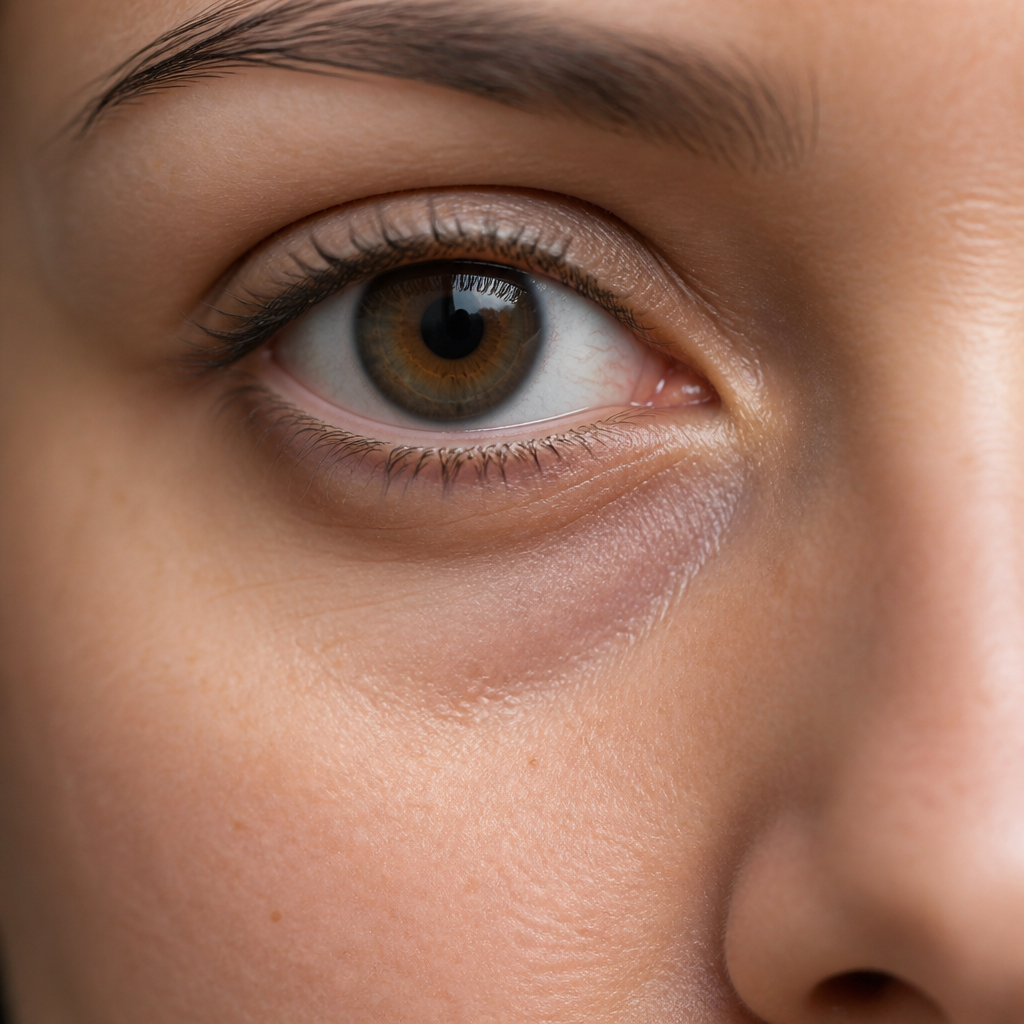
If you look in the mirror and see shadows, hollows, or a permanent tiredness that eight hours of sleep does nothing to fix, you are not imagining it. The area beneath the eyes is one of the first parts of the face to show signs of aging, and for many people in the Greater Toronto Area, the problem starts earlier than they expected. Under-eye filler Aurora clients most often ask about is a hyaluronic acid injection placed precisely into the tear trough, the groove that runs from the inner corner of the eye toward the cheek. Done well, it can take years off your appearance in under thirty minutes. Done poorly, it can make things worse. This guide cuts through the noise so you know exactly what to expect, who it works for, and what questions to ask before you book.
Table of Contents
- Quick Takeaways
- What Is Tear Trough Filler and How Does It Work?
- Does Filler Actually Fix Dark Circles?
- Who Is a Good Candidate for Under-Eye Filler?
- The Treatment Process at a GTA Medispa
- Risks and How to Avoid Them
- Comparing Under-Eye Treatments: Filler vs. PRF vs. Laser
- How Long Do Results Last?
- Frequently Asked Questions
- References
Quick Takeaways
| Key Insight | Explanation |
|---|---|
| Filler treats hollows, not pigment | Tear trough filler corrects volume loss and shadow-related darkness. It does not eliminate true pigmentation or hereditary skin discolouration under the eyes. |
| Hyaluronic acid is the standard product | HA fillers are the preferred choice because they are reversible. If a complication occurs, hyaluronidase can dissolve the filler quickly. |
| Injector skill matters more than product brand | The tear trough is one of the most anatomically complex injection zones on the face. Technique and depth of placement determine results far more than the brand name on the syringe. |
| Results can last 12 to 18 months or longer | A retrospective study of 155 patients found significant improvements persisting at 18 months post-treatment, which is longer than most patients expect. |
| The Tyndall effect is avoidable | Bluish discolouration under thin skin happens when filler is placed too superficially. An experienced injector places product deep to the muscle to prevent this. |
| PRF is a valid complement or alternative | Platelet-rich fibrin injections around the eyes promote collagen production and can reduce dark circles through tissue regeneration, not volume alone. |
| Not everyone is a candidate | Excess skin laxity, very deep tear troughs, active infection, or predominantly pigment-based circles may mean filler is not the right first option for you. |
What Is Tear Trough Filler and How Does It Work?
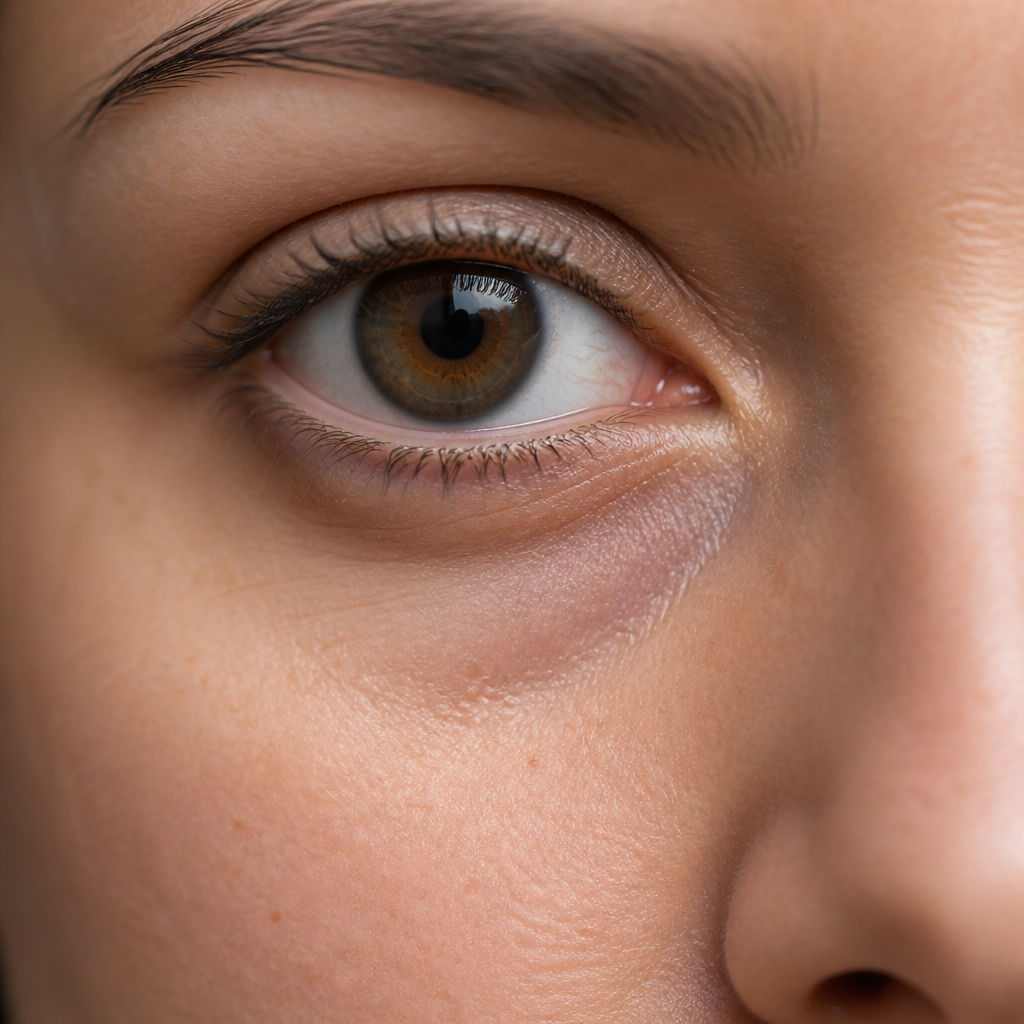
The tear trough is a medical term for the groove that forms between the lower eyelid and the upper cheek. Anatomically, it develops or deepens as the fat pads under the eye descend with age, as bone resorption changes the orbital rim, and as collagen production slows. The result is a hollow that casts a shadow making you appear chronically tired, stressed, or older than you are.
Tear trough filler places small, precise amounts of hyaluronic acid gel into this groove to restore volume, smooth the transition between lid and cheek, and eliminate the shadow. Hyaluronic acid is a naturally occurring sugar molecule in the skin. It attracts and retains moisture, which is why properly placed filler looks soft and natural rather than stiff or artificial.
The procedure itself takes between 15 and 30 minutes. A topical numbing cream is applied first. The injector then uses either a fine needle or a blunt-tipped cannula to deposit product in carefully chosen anatomical planes beneath the skin. Swelling is common in the first 48 hours and is not a reliable indicator of final results. Most clients see the true outcome within one to two weeks, once initial swelling has settled.
Pro tip: Ask your injector whether they plan to use a needle or a cannula for your tear trough treatment and why. A cannula reduces bruising risk in this vascular area, but the best technique depends on your individual anatomy. An injector who cannot explain their reasoning is not the right choice for this particular zone.
Does Filler Actually Fix Dark Circles?
This is where most clients need a straight answer, not a hedge. Under-eye darkness has more than one cause, and filler only addresses one of them effectively.
Shadow-Based Darkness: Filler Works Very Well
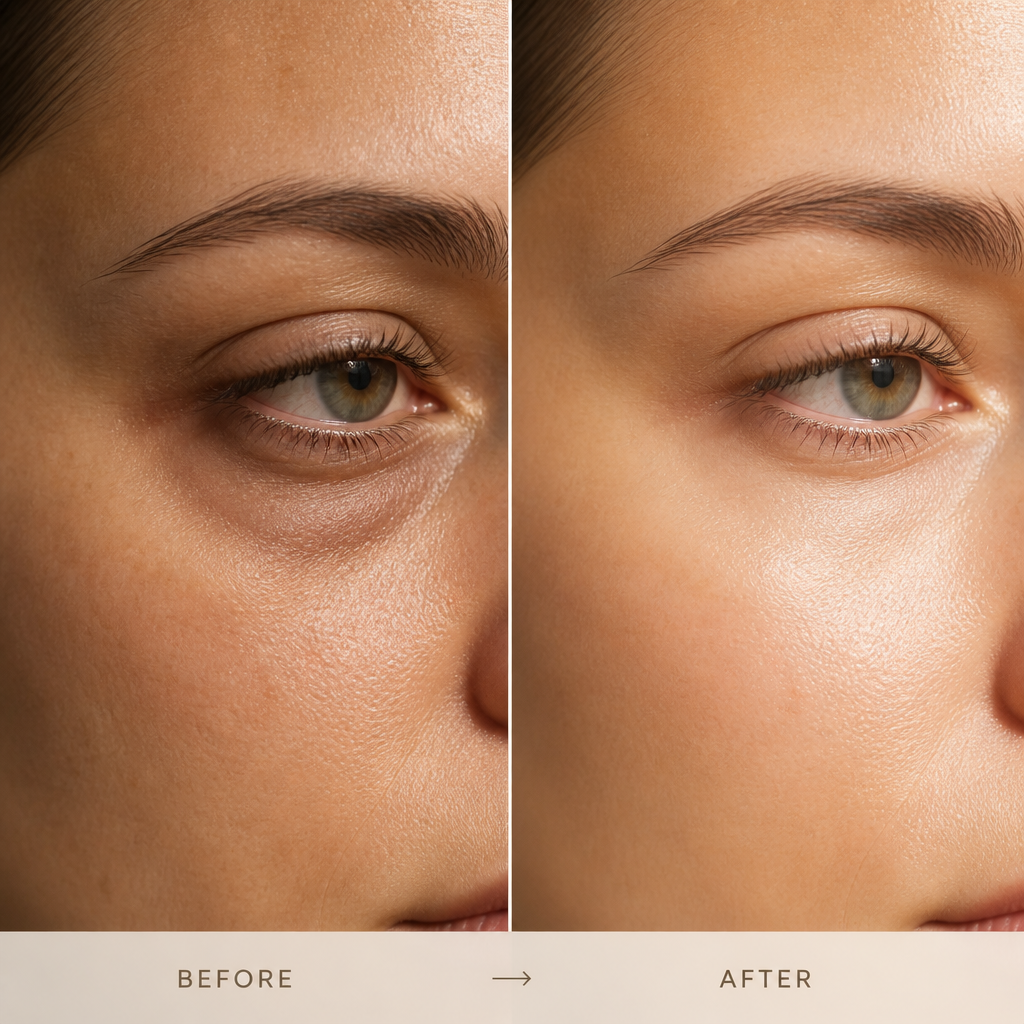
When the darkness under your eyes is caused by the shadow cast by a hollow, filler is an excellent solution. By filling the depression and creating a smooth contour from lid to cheek, the shadow disappears. Clients often describe this as looking “rested” without looking “done.” This is the most common presentation in adults in their 30s and 40s who notice gradual volume loss.
Pigment-Based Darkness: Filler Has Limits
If the darkness is intrinsic skin pigmentation, whether hereditary, post-inflammatory, or caused by thin skin through which underlying vessels show, filler will not remove it. In these cases, complementary treatments such as PRF therapy, medical-grade skincare, or targeted laser treatments address the root cause more directly. A thorough consultation should identify which type of dark circle you have before any injection is recommended.
The aim of tear trough treatment is to restore freshness so you appear less tired, not to create a dramatic change. The best results are usually the least obvious ones.
A common mistake at less experienced clinics is treating every dark circle the same way. In practice, an honest assessment sometimes means recommending PRF or a combination approach rather than filler alone. At Skin Excellence Medispa in Aurora, the dermal filler service explicitly lists tear troughs as a treatment area, and the clinic also offers PRF eye rejuvenation for cases where volume correction alone will not deliver the outcome a client wants.
Who Is a Good Candidate for Under-Eye Filler?
Tear trough filler produces the most satisfying results in a specific type of presentation. Understanding where you fall on that spectrum is the most important part of the consultation process.
Strong Candidates
You are a strong candidate if you have mild to moderate under-eye hollowness, if the darkness under your eyes appears to be shadow-driven rather than pigment-driven, if your skin has reasonable elasticity, and if you have realistic expectations about a subtle improvement rather than a total transformation. Adults in their late 20s through 50s with early-to-moderate tear trough deformity typically see the clearest benefit.
Candidates Who Need a Different or Combined Approach
If you have significant excess skin laxity under the lower lid, very deep tear troughs with prominent fat herniation, or a great deal of inherited skin pigmentation, filler alone is unlikely to satisfy you. This does not mean nothing can be done. It means the treatment plan needs to be more nuanced. In some of these cases, addressing cheek volume first with a mid-face filler can lift and reduce the tear trough appearance indirectly, before any product goes directly under the eye.
Pro tip: If a clinic skips a proper in-person assessment and offers to book you for tear trough filler based solely on photos or a questionnaire, walk away. The periorbital area has unique anatomical variables that require a physical evaluation before any needle is picked up.
The Treatment Process at a GTA Medispa
For anyone coming to a clinic like Skin Excellence Medispa in Aurora from surrounding areas of the Greater Toronto Area, here is what a well-run tear trough appointment looks like from start to finish.
The consultation comes first, and it should not feel rushed. The injector assesses the depth of your tear trough, the thickness of your skin, the degree of fat herniation, and whether the darkness you are seeing is structural or pigment-related. They should explain the product they plan to use, the technique, what is realistic for your anatomy, and all the risks before you agree to proceed.
On treatment day, topical anaesthetic is applied and left to work for 15 to 20 minutes. The injector marks the entry points and works methodically, placing small boluses or threading the product along the groove. The total injection time is typically under 20 minutes. Immediately after, there is often mild swelling and occasionally some redness at the entry point. Bruising is possible and more likely in this area than almost anywhere else on the face because of the density of small vessels.
Aftercare is straightforward: avoid vigorous exercise, alcohol, and lying face-down for 24 to 48 hours. Avoid pressing or massaging the area. Sleep slightly elevated if swelling is significant. A follow-up appointment at two weeks lets the injector assess the settled result and make any minor adjustments if needed.

Risks and How to Avoid Them
This is not a procedure to take lightly, and any clinic that downplays the risks is doing you a disservice. The tear trough is one of the highest-risk injection zones on the face because of its proximity to the orbital rim and the network of small blood vessels in the area. That said, serious complications are rare when treatment is performed by an appropriately trained medical practitioner using the right product at the right depth.
The Tyndall Effect
This is the most commonly discussed cosmetic complication. It appears as a bluish tint under the skin and occurs when filler is injected too superficially, causing light to refract off the product through thin under-eye skin. It is entirely avoidable with correct depth of placement and the right product choice for that skin type. If it does occur, it can be corrected by dissolving the filler with hyaluronidase.
Swelling and Malar Oedema
Because hyaluronic acid attracts water, overfilling the tear trough or placing product in the wrong tissue plane can cause persistent puffiness. This is why conservative volume is always safer than overcorrection in this area. In practice, less is more under the eye. An experienced injector would rather you return for a small top-up than overfill and create a problem that requires dissolving.
Vascular Complications
The most serious risk is accidental injection into a blood vessel. In the periorbital area, this carries a theoretical risk to vision. This risk is rare, but it is real, and it is precisely why practitioner qualification matters. Because hyaluronic acid filler is reversible, a skilled injector who recognises the warning signs immediately and has hyaluronidase on hand can act quickly. Severe pain, loss of vision, or seeing floaters at the time of injection are warning signs that require immediate action.
Filler migration over time is also documented. Hyaluronic acid fillers can persist beyond their expected degradation window and may accumulate as soft-tissue fullness if sessions are not managed carefully. This is another reason why conservative dosing and regular review appointments matter.
Comparing Under-Eye Treatments: Filler vs. PRF vs. Laser
Clients searching for tear trough filler GTA or dark circles dermal filler Ontario often come in not knowing that multiple options exist. Here is how the main non-surgical approaches compare for the under-eye area.
| Treatment | Best For | Key Considerations |
|---|---|---|
| Hyaluronic Acid Tear Trough Filler | Shadow-based dark circles and hollow tear troughs with good skin elasticity | Immediate results, reversible, 12 to 18+ months duration, requires experienced injector, risk of Tyndall effect if poorly placed |
| PRF (Platelet-Rich Fibrin) Eye Rejuvenation | Thin, crepey under-eye skin, pigment-related darkness, collagen loss, and as a complement to filler | Uses your own blood-derived growth factors, builds collagen gradually over weeks, no foreign material, minimal allergy risk, results develop over 1 to 3 months |
| Laser Skin Rejuvenation | Surface pigmentation, fine lines, and texture irregularities around the eye area | Addresses skin quality rather than volume loss, may require multiple sessions, some downtime depending on intensity, not a standalone solution for deep hollows |
In many cases the most effective outcome comes from combining two approaches. A small amount of tear trough filler to address structural hollowness, paired with PRF to improve the quality and thickness of the overlying skin, tends to produce results that look more natural and last longer than either treatment used alone. This is worth discussing at your consultation at Skin Excellence Medispa, where both dermal filler and PRF therapy are available as distinct services.
How Long Do Results Last?
The honest answer is longer than most clients expect, and longer than many clinics tell them. A retrospective study published in the Journal of Cosmetic Dermatology followed 155 patients who received tear trough hyaluronic acid filler treatments and found that significant improvements in infraorbital hollowing persisted at 18 months post-treatment. This challenges the common assumption that tear trough filler “wears off” in six months.
Several factors influence longevity. The specific HA product matters. Lower-density, less cross-linked products tend to integrate softly in the delicate periorbital tissue and may metabolise more slowly in this relatively low-movement zone. The volume injected matters. Smaller, more conservative amounts sometimes last as long or longer than overcorrected treatments because they sit comfortably in the tissue without creating pressure that accelerates breakdown. Individual metabolism, sun exposure, and lifestyle factors also play a role.
What this means practically: do not rush back for a top-up too early. Allow at least twelve weeks after your initial treatment before assessing whether additional volume is needed. Many clients find they need one maintenance session per year rather than two or three.
Pro tip: Before committing to a top-up, have the treated area assessed by your injector, not just by your own eye in a bathroom mirror. What feels like “it’s worn off” to you may be your eye adjusting to the improvement rather than actual filler degradation. A clinical assessment will tell you whether more product is genuinely needed.
Frequently Asked Questions
How much does under-eye filler cost in Aurora, Ontario?
Pricing for tear trough filler in the Aurora and GTA area varies by clinic and by the volume of product required. Most tear trough treatments use less than a full syringe because the area needs conservative correction. A consultation at Skin Excellence Medispa will give you a precise quote based on your specific anatomy and treatment goals. Be cautious of unusually low pricing. In this particular treatment zone, practitioner skill and product quality are more important cost variables than finding the cheapest available option.
Does tear trough filler hurt?
Most clients describe the procedure as uncomfortable rather than painful. Topical numbing cream is applied before treatment, and many hyaluronic acid fillers also contain lidocaine, which provides additional anaesthesia as injection proceeds. The under-eye area is sensitive, and some clients feel pressure or a mild sting during placement. Any significant pain during the procedure should be communicated to your injector immediately.
Can tear trough filler make dark circles worse?
Yes, in specific circumstances. If filler is placed too superficially, the Tyndall effect creates a bluish discolouration that makes the area look darker. If too much product is used, it can pool and create a shadow of its own. If the darkness is primarily pigment-based rather than structural, filler adds volume without addressing the actual cause. This is why a proper pre-treatment assessment is not optional. It is the most important part of the entire process.
Is under-eye filler safe for all skin types?
Hyaluronic acid filler is generally well tolerated across all skin types and tones. However, the risk profile of the tear trough area means that contraindications are assessed case by case. Active skin infection in the area, certain blood-thinning medications, pregnancy, and specific autoimmune conditions are among the factors that require discussion before treatment. A thorough medical intake form and consultation should catch any relevant contraindications before you proceed.
How is Skin Excellence Medispa different from other Aurora area clinics for under-eye filler?
Skin Excellence Medispa at 14845 Yonge Street in Aurora offers both hyaluronic acid dermal fillers and PRF therapy specifically for eye rejuvenation, giving their team the flexibility to recommend the most appropriate option for each client’s presentation rather than defaulting to a single approach. The clinic serves clients from across the Greater Toronto Area who are looking for personalized, medically-informed aesthetic care rather than a volume-based treatment model. For anyone referred by a friend who had a good experience there, the consistency of that outcome is a strong signal of practitioner skill at this particular clinic.
What should I do to prepare for a tear trough filler appointment?
Avoid blood-thinning medications and supplements such as aspirin, ibuprofen, fish oil, and vitamin E for at least a week before your appointment, if medically safe to do so. Avoid alcohol for 24 to 48 hours beforehand. Arrive with clean skin and no makeup under the eyes. Do not book your appointment within two weeks of a major event, since bruising and swelling, though typically mild, are possible in this area and need time to fully resolve.
Have you had tear trough filler or another under-eye treatment done in Aurora or the GTA? We would love to hear what your experience was like and what results surprised you the most.
References
- Cleveland Clinic overview of tear trough filler safety, risks, and what to expect from the procedure
- Journal of Cosmetic Dermatology retrospective study on long-term outcomes of tear trough hyaluronic acid filler in 155 patients
- Moorfields Eye Hospital breakdown of the five key risks of under-eye filler injections
- Skin Excellence Medispa dermal filler service page covering tear trough treatment in Aurora, Ontario
- PubMed Central peer-reviewed article on hyaluronic acid filler for periorbital dark circles, complications, and injection technique