Most people finish their laser hair removal sessions right before summer, then unknowingly damage their results with a single afternoon in the sun. If you have completed or are mid-way through laser hair removal in Aurora, Ontario, the warm months ahead require a specific aftercare approach that most clinics under-explain. At Skin Excellence Medispa, we see the consequences of skipped aftercare every August: hyperpigmentation, prolonged redness, and sensitivity that sets back treatment timelines. This guide gives you the exact summer protocols our practitioners recommend to clients across the Greater Toronto Area.
Table of Contents
- Quick Takeaways
- Why Summer Aftercare Is Different for Laser Hair Removal
- Sun Exposure Rules That Actually Protect Your Skin
- Moisturizing and Soothing the Skin After Sessions
- What to Avoid in Summer After Laser Treatments
- Comparing Summer Aftercare Approaches
- Scheduling Your Sessions Around Summer in the GTA
- Frequently Asked Questions
- References
Quick Takeaways
| Key Insight | Explanation |
|---|---|
| SPF 50 is non-negotiable after laser | Treated skin is temporarily more photosensitive. UV exposure within 2 weeks of a session significantly raises the risk of post-inflammatory hyperpigmentation. |
| Avoid direct sun for at least 2 weeks post-session | This window is when the follicle is most vulnerable. Even brief, unprotected outdoor time in Aurora’s summer sun can cause visible pigment changes. |
| Skip the pool and hot tub for 48-72 hours | Chlorine and heat increase inflammation in treated follicles and disrupt the skin barrier, slowing healing and raising infection risk. |
| Shaving is the only acceptable hair removal between sessions | Waxing, threading, or plucking disrupts the follicle cycle the laser targets. Shaving keeps the follicle intact and the treatment effective. |
| Fragrance-free, gentle moisturizers outperform active serums post-session | Retinol, AHAs, and BHAs should be paused for at least one week after each laser session to avoid compounding irritation on sensitized skin. |
| Cooling the skin immediately after treatment reduces downtime | Applying a cold compress or aloe vera gel within the first hour post-session reduces erythema and supports faster recovery in summer heat. |
| Sessions should be spaced 4-8 weeks apart depending on body area | Facial areas cycle faster than legs or underarms. Your practitioner at Skin Excellence Medispa will time your sessions to match your hair growth cycle. |
Why Summer Aftercare Is Different for Laser Hair Removal
Laser hair removal works by delivering concentrated light energy into pigmented hair follicles, which generates heat to disable future growth. That process leaves the surrounding skin temporarily sensitized, and summer introduces three compounding challenges that do not exist the same way in cooler months: UV intensity, sweat, and heat-related inflammation.
Ontario summers routinely push UV Index readings above 7 from June through August, which Health Canada classifies as “high” to “very high.” Treated skin lacks its typical photoprotective resilience for 10-14 days after each session. Combine that with outdoor activities common across Aurora and the broader GTA, and you have a formula for avoidable skin damage.
Sweat is also a real concern. Perspiration on freshly treated skin introduces bacteria to compromised follicles. This does not mean you stop living your life, but it does mean that a hard run or a beach day needs to be timed carefully around your treatment calendar.

Pro tip: Book your laser hair removal sessions on Fridays if your schedule allows. That gives your skin the weekend to settle before you are back in the sun commuting, working outdoors, or enjoying Aurora’s parks and trails.
Sun Exposure Rules That Actually Protect Your Skin
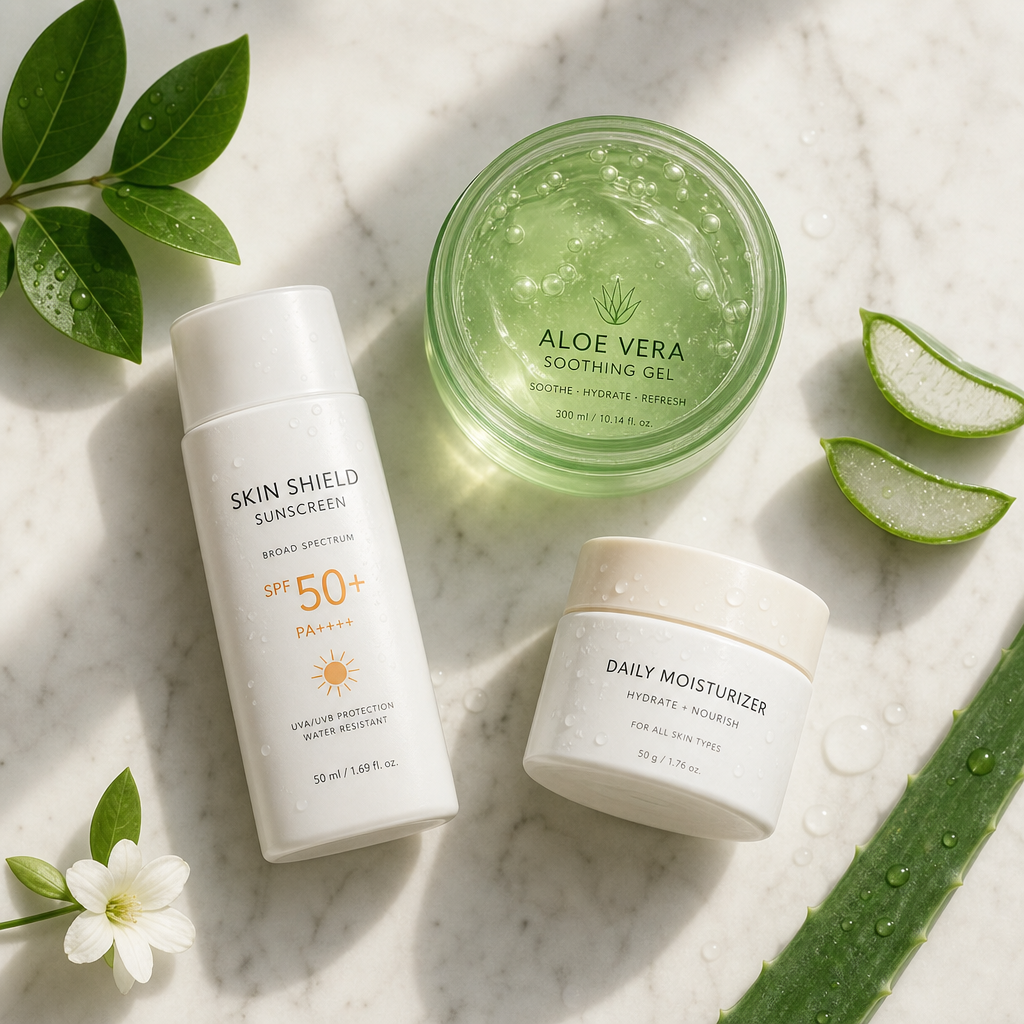
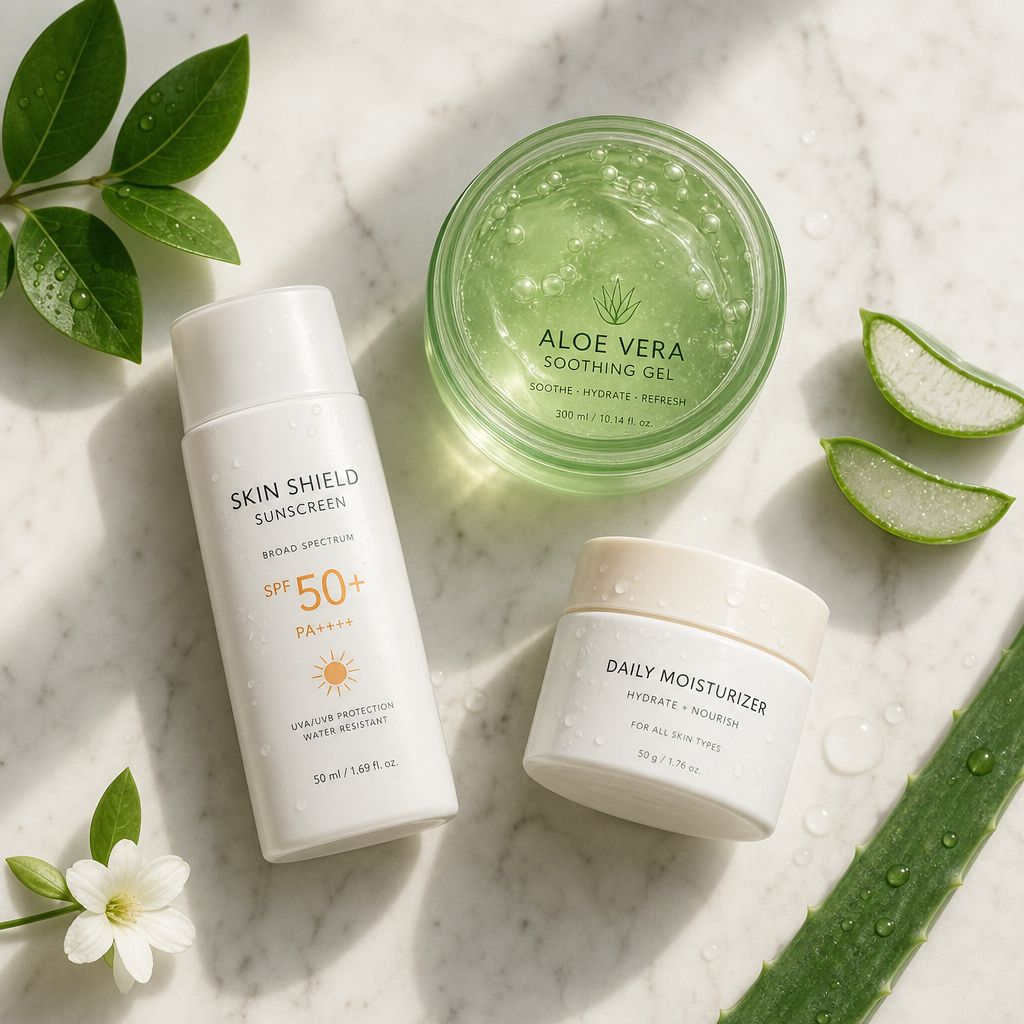
The most common mistake we see at Skin Excellence Medispa is clients applying SPF 30 and calling it done. SPF 30 filters about 97% of UVB rays. SPF 50 filters approximately 98%. That gap sounds small, but on sensitized post-laser skin during peak Ontario summer sun, it is the difference between a clean result and unwanted darkening. Use broad-spectrum SPF 50 or higher, and reapply every 90 minutes if you are outdoors.
Mineral vs. Chemical Sunscreen After Laser
Mineral sunscreens containing zinc oxide or titanium dioxide sit on top of the skin and physically deflect UV rays. Chemical sunscreens absorb UV and convert it to heat, which is the last thing you want on already-warm, post-laser tissue. In practice, we recommend mineral formulas for the first two weeks following any laser session. They are also far less likely to cause stinging on sensitized skin.
Protective Clothing Is Not Optional
If you had laser done on your legs or arms, cover up during peak sun hours between 11 a.m. and 3 p.m. UPF 50+ fabrics block UV rays more reliably than sunscreen alone, and they do not wear off. Lightweight options work fine for Aurora’s humid summers without causing overheating. Wide-brim hats and UV-protective sunglasses matter for facial treatments.
The data consistently shows that photoprotection is the single most impactful variable in laser hair removal outcome quality during summer months. A 2021 review published in the Journal of the American Academy of Dermatology confirmed that post-inflammatory hyperpigmentation rates in laser patients are strongly correlated with sun exposure behavior in the two weeks following treatment.
Pro tip: Set a phone alarm 90 minutes after you first apply sunscreen outdoors. It sounds tedious until you compare it to dealing with uneven skin tone for the rest of summer.
Moisturizing and Soothing the Skin After Sessions
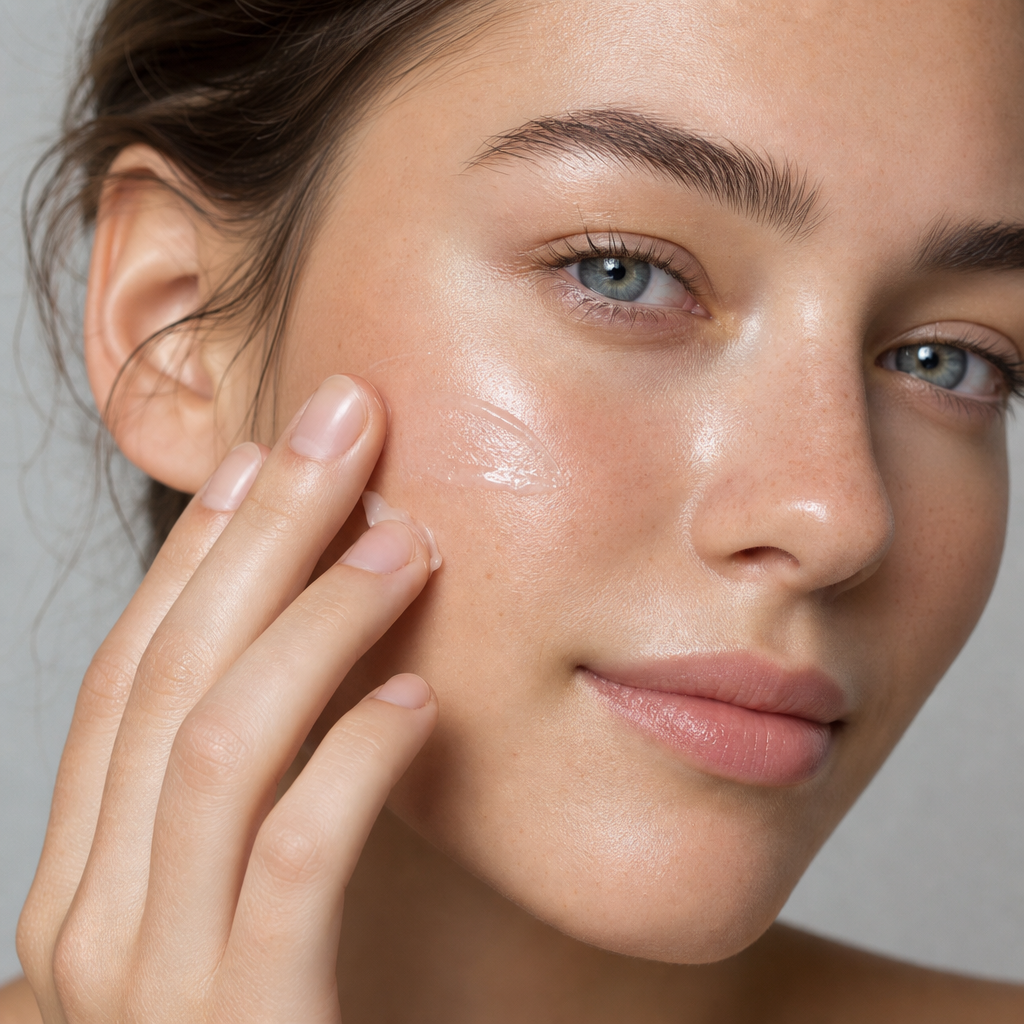
Hydration is not just comfort, it is recovery. Laser treatments temporarily disrupt the skin barrier, and an intact barrier is what protects against environmental irritants, bacteria, and transepidermal water loss. Summer heat accelerates moisture evaporation from the skin, making deliberate hydration more important than it is in winter.
The products that consistently perform best post-laser are simple ones: fragrance-free ceramide moisturizers, pure aloe vera gel, and formulations with hyaluronic acid. Avoid anything with active exfoliants, essential oils, or retinol for at least 7 days post-session. Those ingredients push cellular turnover, which is helpful in general skincare but counterproductive when your skin is trying to stabilize after laser energy exposure.
The Role of Aloe Vera in Immediate Post-Treatment Care
Aloe vera gel applied within the first hour after a session reduces surface temperature, calms erythema, and provides a protective film that limits bacterial contact with open follicles. Use 100% pure aloe, not the artificially coloured green versions that include alcohol and fragrance. Keep a tube in the fridge during summer months for an additional cooling effect.
How Skin Excellence Medispa Approaches Post-Session Care
After every laser hair removal session at our Aurora clinic, our practitioners apply a medical-grade soothing serum before you leave. We also send clients home with a written aftercare protocol tailored to the treated area. This is not a one-size-fits-all sheet. Underarm aftercare differs from leg aftercare, and facial protocols differ from both. Personalization at this level is what separates a medical aesthetic clinic from a walk-in laser chain.
What to Avoid in Summer After Laser Treatments
The list of summer activities that conflict with laser aftercare is not as long as people fear, but the items on it matter. Ignore them and you risk not just aesthetic outcomes but actual skin health.
Avoid hot showers, saunas, steam rooms, and hot tubs for 48-72 hours after each session. Heat dilates blood vessels and extends the inflammatory response your skin is already managing post-laser. In July and August in the GTA, even a hot car interior counts. Use lukewarm water for washing treated areas during this window.
Self-Tanners and Tanning Beds
Both are off-limits for the duration of your laser hair removal program. Tanning beds deliver concentrated UV radiation to skin that is already sensitized, and self-tanners introduce DHA (dihydroxyacetone), a chemical that reacts with skin proteins and can cause uneven pigmentation on post-treatment skin. If a tan complexion matters to you this summer, discuss timing with your practitioner before starting your series.
Aggressive Exfoliation
Scrubs, loofahs, and exfoliating cleansers should be avoided for at least one week post-session. The skin is shedding treated follicle debris naturally during this period. Mechanical exfoliation disrupts that process, increases irritation, and can introduce bacteria. Let the skin do its work.
A common mistake is confusing the appearance of small dark spots or pepper-like residue in treated areas with a problem. This is normal. It is the destroyed hair shaft being expelled from the follicle, typically within 1-3 weeks of treatment. Do not pick, scrub, or try to remove them manually.
Comparing Summer Aftercare Approaches
| Aftercare Approach | Best For | Limitations in Summer |
|---|---|---|
| Mineral SPF 50 plus UPF clothing | All skin types, especially post-laser; most reliable UV protection | Requires consistent reapplication and wardrobe planning for outdoor activities |
| Chemical sunscreen only | Thinner texture preferred by some; easier to apply under makeup | Converts UV to heat on skin surface, can worsen post-laser sensitivity and erythema |
| Aloe vera plus ceramide moisturizer routine | First 48-72 hours post-session; calms and hydrates without actives | Not a replacement for SPF; must be layered under sunscreen before going outdoors |
“The skin does not forget what you expose it to. Two weeks of disciplined aftercare after a laser session protects months of treatment investment. We tell every client in Aurora: the summer sun is not your enemy if you respect it.”
Skin Excellence Medispa, Aurora, Ontario
Scheduling Your Sessions Around Summer in the GTA
The ideal time to start a laser hair removal series in the GTA is fall or winter, so the bulk of your sessions land in lower-UV months and you are hair-free by the following summer. That said, many clients come to Skin Excellence Medispa in May or June wanting results before August. This is achievable with the right scheduling and aftercare discipline.
Most clients need 6-8 sessions for significant permanent hair reduction, spaced 4-8 weeks apart depending on the area. Starting in early June means you can complete 3-4 sessions before September, with the rest finishing in fall. This approach delivers meaningful hair reduction mid-summer while managing UV risk intelligently.
Areas That Are Safer to Treat in Summer
Body areas that stay covered, such as underarms and the bikini line, carry lower sun exposure risk than legs, arms, or the face. If you are set on summer treatments, prioritize these areas first. Facial laser hair removal in summer requires the strictest sun protection of all treated zones, as facial skin is constantly exposed and more reactive to pigment changes.
What to Tell Your Practitioner Before Summer Sessions
Be honest about your lifestyle. If you are training for a triathlon, attending weekly outdoor markets in Aurora, or planning a two-week cottage trip, your practitioner needs to know. At Skin Excellence Medispa, this information shapes session timing, energy settings, and aftercare instructions. Practitioners who do not ask these questions are not tailoring treatment to you, and that matters for results and safety equally.
Smooth skin in summer is a real, achievable outcome from laser hair removal in Aurora, Ontario. The difference between clients who get there and those who plateau comes down almost entirely to aftercare consistency during the warm months.
Frequently Asked Questions
Can I get laser hair removal in summer if I live in Aurora, Ontario?
Yes, but it requires stricter aftercare than winter treatments. You must avoid direct sun exposure for at least two weeks after each session, use broad-spectrum SPF 50 daily, and schedule sessions with enough lead time before sun-heavy events. Many clients at Skin Excellence Medispa complete successful summer series by prioritizing covered body areas and being rigorous about photoprotection.
How long after a laser session can I go swimming in a lake or pool?
Wait at least 48-72 hours before swimming in any body of water. Chlorine in pools irritates sensitized follicles and disrupts the skin barrier. Natural lake water introduces bacteria to temporarily open follicle channels. After that window, apply a water-resistant SPF 50 before any sun exposure near the water and reapply every 80 minutes.
Will my laser hair removal results last through summer activities like sweating and outdoor sports?
Results are not reversed by sweat or physical activity once the follicle has been successfully disabled. The concern is not about losing results but about the 48-72 hour post-session window, when sweat introduces bacteria and heat extends inflammation. After that recovery period, you can return to full activity. Your results accumulate with each session regardless of your fitness routine.
What sunscreen should I use after laser hair removal on my face?
Use a fragrance-free, mineral-based broad-spectrum SPF 50 with zinc oxide as the active ingredient. Brands formulated for sensitive or post-procedure skin are ideal. Avoid chemical sunscreens with oxybenzone or avobenzone on the face for the first two weeks post-session, as these can sting sensitized skin and generate surface heat. Your practitioner at Skin Excellence Medispa can recommend specific formulations suited to your skin type.
How many sessions will I need before I see smooth skin results this summer?
Most clients see 20-30% hair reduction after a single session and significant reduction after 3-4 sessions. Six to eight sessions are typically needed for long-term results across most body areas. Starting in late spring gives you visible improvement by mid-summer, though full results develop over the complete series. Consistency between sessions, including proper aftercare, has a direct impact on how quickly and clearly results appear.
Is laser hair removal safe for all skin tones during summer?
Modern laser platforms including Nd:YAG lasers are effective and safe across a wide range of skin tones, including deeper complexions. However, the risk of post-inflammatory hyperpigmentation is higher in clients with more melanin when sun exposure occurs post-treatment. This does not mean summer treatment is off the table. It means the aftercare protocol is even more important, and session energy settings may be adjusted accordingly by your practitioner.
Have you gone through laser hair removal sessions during an Ontario summer? Share what worked for your aftercare routine and what you wish someone had told you before your first session.
References
- Health Canada guidance on UV index ratings and sun safety for Canadians
- American Academy of Dermatology clinical resources on laser treatments and post-procedure skin care
- National Library of Medicine research database covering laser hair removal safety and efficacy studies
- Skin Cancer Foundation evidence-based recommendations on broad-spectrum sunscreen and photoprotection
- Mayo Clinic overview of laser hair removal procedures, recovery, and skin care expectations