
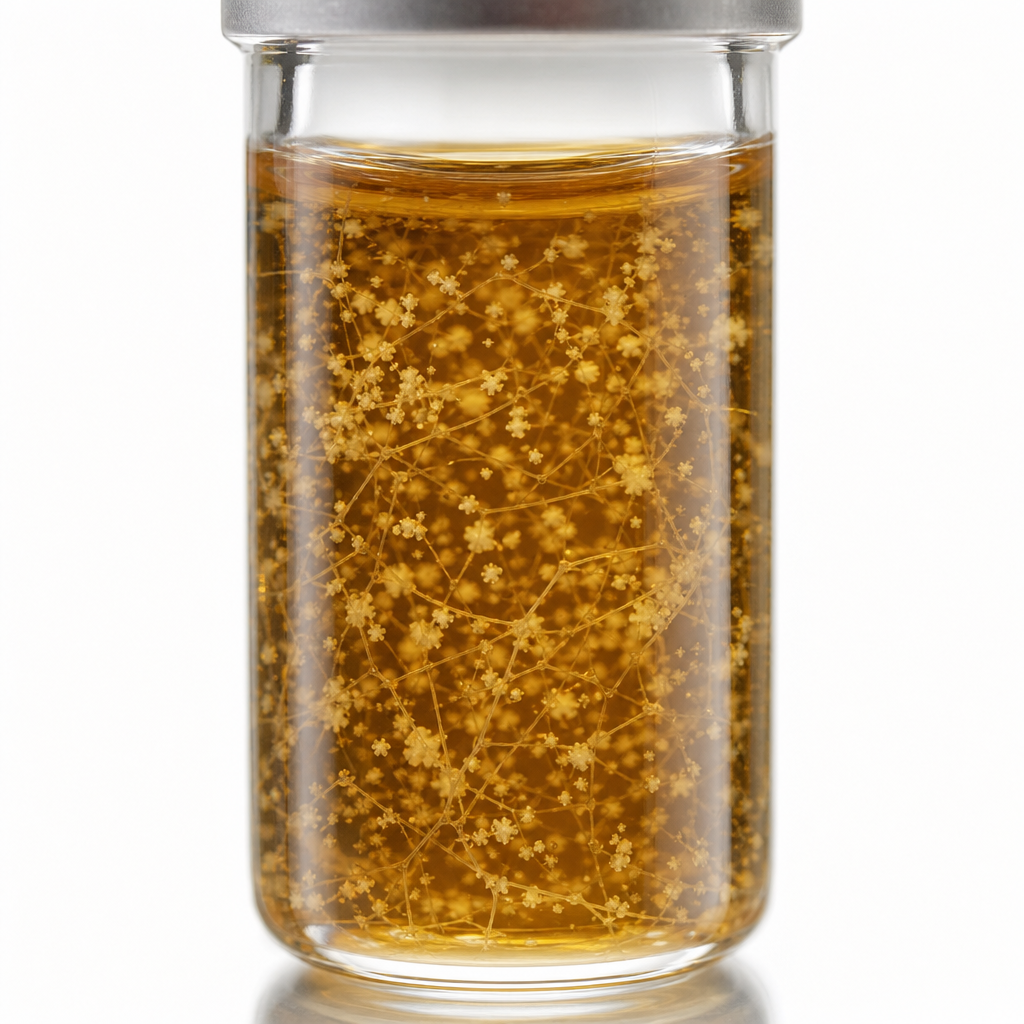
Most people searching for a PRP facial in Aurora have no idea there is a newer, more concentrated option sitting right next to it on the menu. PRF therapy has quietly become the preferred choice among experienced practitioners, yet many clients still book PRP because they have heard of it first. That gap in awareness leads to missed results. This article breaks down exactly what separates these two treatments, which skin concerns each handles best, and what you should genuinely expect when you walk into a medispa in the GTA asking for a platelet-based skin therapy.
Table of Contents
- Quick Takeaways
- What Is PRP and How Does It Work on Skin?
- What Is PRF and How Is It Different?
- PRP vs PRF: The Key Biological Differences That Change Your Results
- Side-by-Side Comparison: PRP, PRF, and i-PRF
- Which Treatment Actually Suits Your Skin Concern?
- What to Expect at a Medispa in Aurora or the GTA
- Combining PRP or PRF with Other Aesthetic Treatments
- Frequently Asked Questions
- References
Quick Takeaways
| Key Insight | Explanation |
|---|---|
| PRF has a higher platelet concentration than PRP | PRF is spun at a lower centrifuge speed, preserving more growth factors and fibrin, which means more regenerative material delivered to your skin. |
| PRP releases growth factors quickly; PRF releases them slowly | The fibrin matrix in PRF acts as a sustained-release scaffold, extending the regenerative activity in tissue for days rather than hours. |
| PRF contains no anticoagulants; PRP often does | Traditional PRP preparation uses anticoagulant additives that can interfere with platelet activation. PRF is 100% natural with nothing added to your blood. |
| PRP is better established for hair restoration protocols | Scalp injection PRP studies have more long-term published data, making it the evidence-backed choice specifically for androgenetic alopecia. |
| PRF is generally preferred for facial skin rejuvenation | The slower growth factor release and higher fibrin content make PRF superior for collagen stimulation, fine lines, and overall skin texture improvement. |
| Neither treatment works without proper skin assessment first | A practitioner who skips a full skin and health history consultation before drawing blood is cutting corners. The right treatment depends on your skin type, age, and goals. |
| Downtime is minimal but real for both treatments | Expect redness and mild swelling for 24 to 72 hours. Clients who plan for zero downtime often leave disappointed. Be realistic. |
What Is PRP and How Does It Work on Skin?
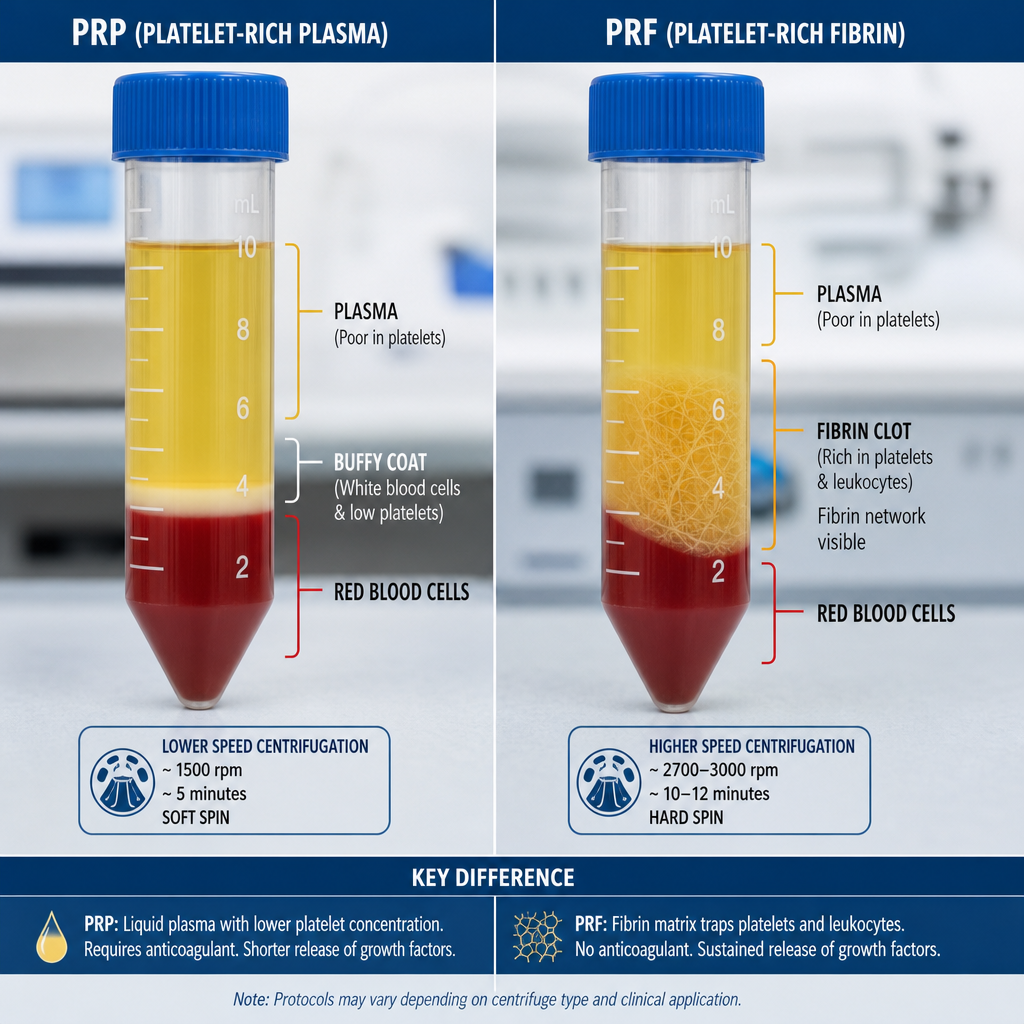
Platelet Rich Plasma (PRP) is produced by drawing a small sample of your own blood, typically 10 to 30 millilitres, and spinning it in a centrifuge to separate its components. The red blood cells settle at the bottom, a layer of platelet-poor plasma sits at the top, and the platelet-rich layer in the middle is extracted and used. The platelet concentration in a properly prepared PRP sample is roughly 2 to 5 times higher than whole blood.
Those platelets carry growth factors including PDGF, TGF-beta, VEGF, and EGF. When reintroduced to the skin through micro-needling channels or direct injection, they trigger the body’s wound-healing cascade, stimulating fibroblasts to produce new collagen and elastin. The result is gradual skin tightening, improved texture, and reduced fine lines over 4 to 12 weeks following treatment.
PRP has been used in medicine since the 1970s, originally in oral surgery and orthopaedics. Its crossover into aesthetics accelerated significantly after 2010, and today it is one of the most requested biostimulatory treatments at medical spas across Ontario.
What Is PRF and How Is It Different?
Platelet Rich Fibrin (PRF) is the next-generation evolution of PRP. The processing method is the key difference. PRF is centrifuged at a much lower speed, around 700 to 1000 RPM compared to PRP’s 1500 to 3000 RPM. That slower spin preserves a natural fibrin matrix, keeps white blood cells in the concentrate, and retains stem cells that PRP processing typically discards.
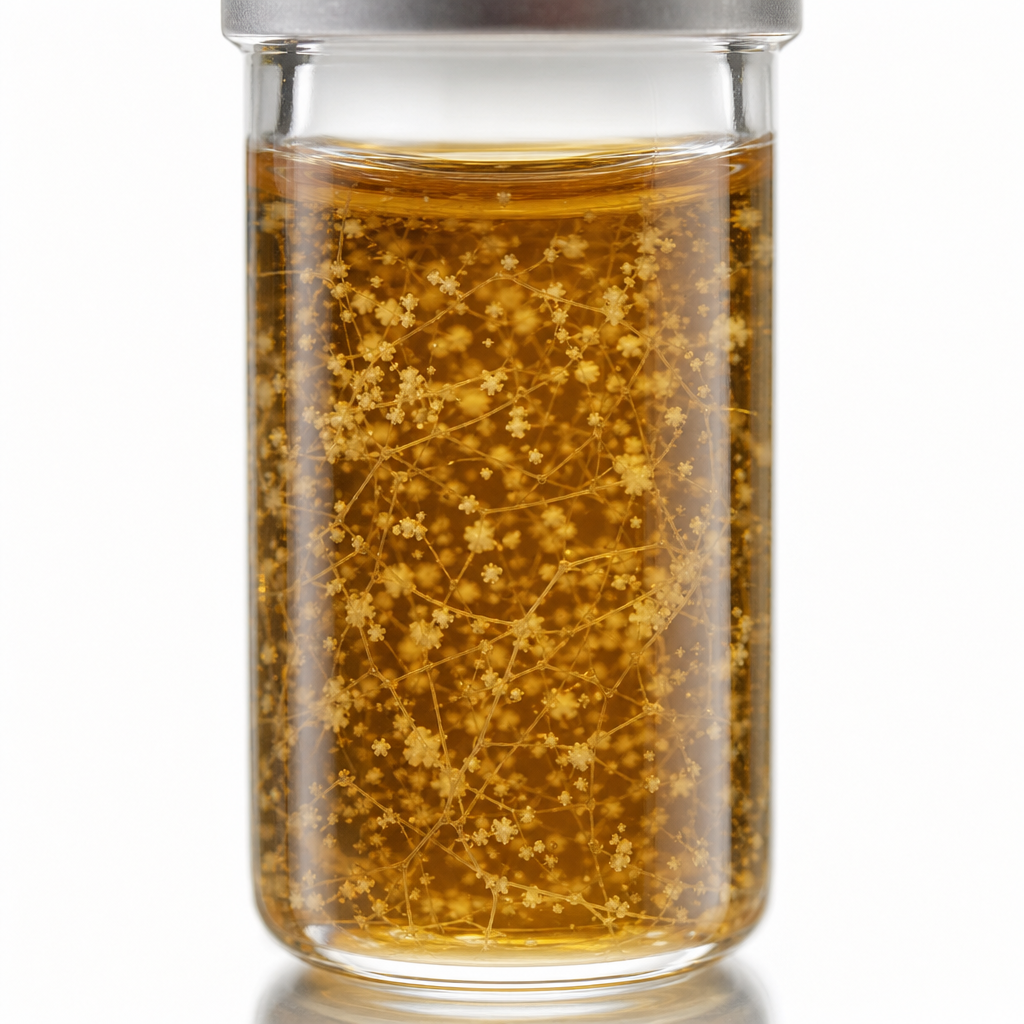
The fibrin matrix is the part that changes the clinical outcome most dramatically. It acts as a three-dimensional scaffold that holds growth factors in place within the tissue and releases them over a period of 7 to 14 days rather than the 3 to 6 hours seen with PRP. That sustained release means the cellular signalling that drives collagen production continues long after you have left the treatment room.
In practice, PRF also avoids the anticoagulants that some PRP kits require. Anticoagulants like sodium citrate prevent the blood from clotting during processing, but they also inhibit platelet activation. PRF uses no additives at all, which means the platelets are fully capable of firing their growth factor payload when they reach your tissue.
Pro tip: When consulting at a medispa, ask specifically whether their PRF protocol uses anticoagulants. A clinic doing true PRF will answer no without hesitation. If they hesitate or deflect, you are likely looking at a standard PRP kit marketed under the PRF label.
PRP vs PRF: The Key Biological Differences That Change Your Results
Growth Factor Concentration and Retention
Studies published in the journal Platelets have measured PRF’s growth factor yield at significantly higher levels than standard PRP for key markers including PDGF-AB and VEGF. A 2017 comparative study found that PRF membranes released growth factors over a 10-day period while PRP exhausted its payload within hours. For skin rejuvenation, where sustained collagen stimulation is the goal, that difference is not minor. It is the entire mechanism of action.
The white blood cells retained in PRF also contribute. Leukocytes play a role in tissue regeneration and immune modulation. PRP preparation at high centrifuge speeds largely removes them, which is actually intentional for intra-articular orthopedic injections where inflammation control is a priority. For facial aesthetics, however, keeping those cells in the mix supports a more comprehensive regenerative response.
Texture, Consistency, and How Each Is Applied
PRP is a liquid and behaves like a serum during application. It is easy to spread across the face during micro-needling, and it can be injected into specific areas with precision. PRF, especially when processed to its gel or membrane form, has a thicker consistency. Injectable liquid PRF is available and is the version most commonly used at aesthetic clinics, but it has a shorter working window once drawn because the fibrin begins polymerizing rapidly.
This means your practitioner must work quickly with PRF. A common mistake at undertrained clinics is allowing PRF to sit too long before application, which degrades its quality. This is an argument for choosing a medispa where the team has specific PRF protocol training rather than a general aesthetics background.
“The fibrin network in PRF creates a biological scaffold that mirrors the natural extracellular matrix of skin tissue, making it a uniquely biocompatible delivery system for growth factors.” – Dr. Richard Miron, University of Bern, leading PRF researcher whose published work has shaped current clinical protocols globally.
Side-by-Side Comparison: PRP, PRF, and i-PRF
A third variant worth knowing is injectable PRF, called i-PRF. It uses the lowest centrifuge speed of all three options, around 700 RPM for 3 minutes, producing a liquid concentrate that is even richer in stem cells and growth factors. Some advanced clinics in the GTA now offer this as a standalone injectable or as a complement to micro-needling. The table below gives you a clear clinical comparison.
| Feature | PRP (Platelet Rich Plasma) | PRF (Platelet Rich Fibrin) | i-PRF (Injectable PRF) |
|---|---|---|---|
| Centrifuge Speed | 1500 to 3000 RPM | 1000 to 1500 RPM | 700 RPM |
| Anticoagulants Used | Sometimes yes | No | No |
| Fibrin Matrix Present | No | Yes (solid or gel form) | Partial (liquid, forming) |
| Leukocytes (White Blood Cells) | Mostly removed | Retained | Retained at highest levels |
| Growth Factor Release Duration | 3 to 6 hours | 7 to 14 days | 7 to 10 days |
| Best Suited For | Hair restoration, initial skin rejuvenation | Facial rejuvenation, fine lines, skin texture | Under-eye hollows, liquid facelift effect |
| Working Window After Draw | Up to 10 minutes | 3 to 5 minutes (gel forms faster) | Under 3 minutes |
Which Treatment Actually Suits Your Skin Concern?
Fine Lines, Skin Texture, and Early Aging Signs
For clients in their mid-30s to late-40s noticing fine lines around the eyes, forehead, and mouth, along with a general dullness in skin tone, PRF combined with micro-needling is consistently the stronger performer. The sustained growth factor release drives a more thorough collagen remodelling response than PRP alone. At Skin Excellence Medispa in Aurora, this combination is a go-to recommendation for clients who want visible texture improvement without filler.
Expect 3 sessions spaced 4 to 6 weeks apart for optimal results, with continued improvement for up to 6 months post-treatment. Single sessions produce noticeable improvement but are not the standard recommendation for clients with moderate skin laxity.
Under-Eye Hollows and Tear Trough Area
The under-eye area is one of the most challenging zones to treat. Dermal fillers carry a real risk profile in this region due to proximity to the infraorbital vessels. Injectable PRF is emerging as a safer first-line option for mild under-eye hollowing, particularly in younger clients who are not yet ready for or appropriate for hyaluronic acid fillers in that zone.
The data here is early but promising. A 2021 study in the Journal of Cosmetic Dermatology found that i-PRF injections in the periorbital region produced measurable improvements in skin quality and mild volume over 3 months, with an excellent safety profile. PRP is less effective here because the liquid disperses too quickly without the fibrin scaffold to hold it in place.
Hair Loss and Scalp Treatments
This is where PRP has the stronger published evidence base. Scalp injection PRP protocols for androgenetic alopecia have been studied in randomized controlled trials, and a 2019 meta-analysis in Dermatologic Surgery found statistically significant improvements in hair density and count compared to placebo groups. PRF scalp injections are being studied and early results are encouraging, but the volume of peer-reviewed evidence for PRP in hair restoration is currently larger.
The practical implication: if you are coming to a GTA medispa specifically for hair loss treatment, PRP remains the evidence-backed standard. If you are combining scalp treatment with a facial rejuvenation protocol, a clinic offering both allows you to discuss a combined approach.
Acne Scarring and Uneven Skin Tone
Both treatments improve acne scarring when combined with micro-needling, but PRF produces more significant results in clients with moderate to deep atrophic scarring. The reason is the same: sustained collagen induction over two weeks gives the scar tissue more opportunity to remodel. Clients with active acne should address the acne first before pursuing either PRP or PRF, as introducing growth factors into inflamed skin can aggravate the condition.
Pro tip: If you have post-inflammatory hyperpigmentation alongside acne scarring, discuss combining your PRF treatment with a medical-grade skin brightening protocol. PRF alone does not address pigmentation, but pairing it with a targeted brightening plan at a clinic like Skin Excellence Medispa produces results that a single-modality approach simply cannot match.
What to Expect at a Medispa in Aurora or the GTA
The Consultation Matters More Than You Think
A proper consultation for PRF therapy in Aurora, Ontario should include a review of your current medications (blood thinners, NSAIDs, and certain supplements reduce platelet function and are flagged before treatment), your health history, and your skin assessment under proper lighting. If a clinic skips straight to booking and never asks whether you take aspirin regularly, that is a flag.
Platelet-based therapies are not appropriate for everyone. Clients with platelet dysfunction disorders, active infections, certain blood conditions, or a history of keloid scarring require careful screening. A medispa with trained medical staff performs this screening as a standard step, not an afterthought.
The Treatment Day Protocol
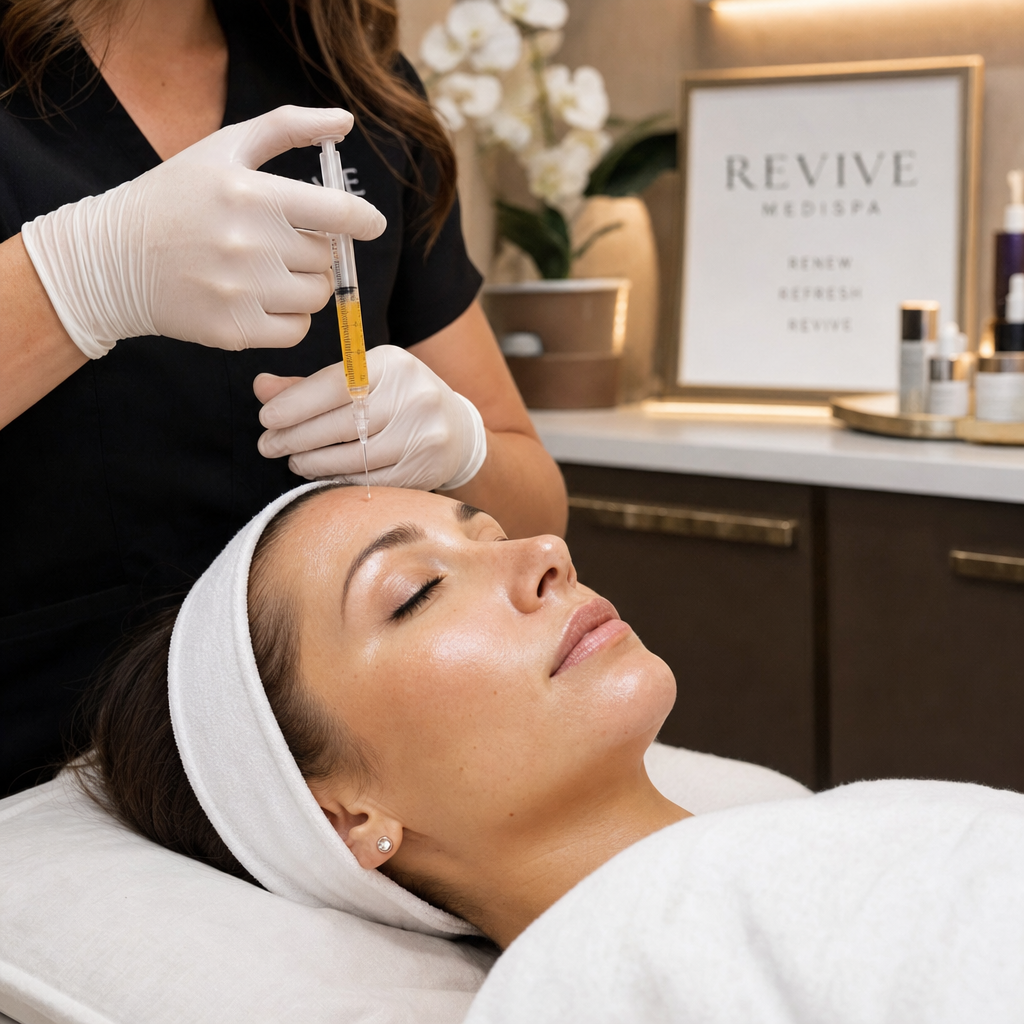
On the day of your PRP facial or PRF treatment in Aurora, arrive without heavy skincare products on your skin. Your blood is drawn, processed on-site in a centrifuge, and the resulting concentrate is applied immediately. Total chair time including the draw, spin, and treatment application is typically 60 to 90 minutes.
After treatment, you will leave with pink to red skin, similar in appearance to a mild sunburn. Avoid heavy exercise, alcohol, and direct sun exposure for 24 to 48 hours. Do not apply active skincare ingredients like retinol or acids for at least 72 hours. Use a gentle, fragrance-free moisturizer and mineral SPF only for the first few days.
Combining PRP or PRF with Other Aesthetic Treatments
Neither PRP nor PRF is a standalone solution for every client walking into a medispa. Where these treatments genuinely become powerful is when they are layered intelligently with complementary procedures. At Skin Excellence Medispa, the most clinically effective approach positions platelet therapy as a collagen-building foundation that enhances the performance of other treatments.
PRP or PRF with Micro-Needling
This is the most common and well-validated pairing. Micro-needling creates channels in the skin that allow the growth factor concentrate to penetrate far deeper than topical application alone, which reaches only the epidermis. The micro-injury itself also stimulates collagen production, meaning you are running two collagen-induction mechanisms simultaneously. The clinical outcome consistently outperforms either treatment used in isolation.
PRF with Sculptra
For clients experiencing moderate volume loss alongside textural concerns, combining PRF sessions with a Sculptra treatment plan creates a dual-action result: PRF handles surface quality and skin density while Sculptra addresses deeper structural volume. These two treatments are spaced strategically, not performed on the same day, and the sequencing depends on each client’s presentation and goals.
PRP or PRF After Laser Treatments
Some clinics apply PRP or PRF immediately post-laser to accelerate healing and reduce downtime. The logic is sound: growth factors introduced during the acute inflammatory phase after laser energy can speed epidermal recovery. This is not a universal protocol and depends heavily on the laser type and depth of treatment. Discuss this option at your consultation if you are already considering laser resurfacing or skin rejuvenation at your Aurora medispa.
Frequently Asked Questions
How many PRP or PRF sessions do I need to see results?
Most clients see meaningful improvement after 3 sessions spaced 4 to 6 weeks apart. A single session produces a visible glow and subtle texture improvement, but real collagen remodelling, which is the point of the treatment, requires a series. Maintenance sessions once or twice per year are recommended after completing the initial series to sustain results.
Does a PRP facial hurt?
The blood draw is the same as any routine blood test, so the discomfort is brief and minor. If the PRP or PRF is applied via micro-needling, a topical numbing cream is applied beforehand and left on for 30 to 45 minutes. Most clients rate the procedure as a 2 to 3 out of 10 for discomfort with proper numbing in place. Direct injections have a slightly different sensation depending on the area treated.
Is PRF therapy safe for all skin tones?
Yes. Because PRF uses your own blood, there is no risk of hyperpigmentation reactions associated with certain energy-based devices in deeper skin tones. This makes PRF an excellent skin rejuvenation option for clients with Fitzpatrick skin types IV through VI who may be limited in their laser treatment options. A consultation with an experienced practitioner will confirm suitability based on your complete skin profile.
What is the difference between a PRP facial and a vampire facial?
The term vampire facial was popularized as a marketing label and refers specifically to PRP applied via micro-needling, sometimes with visible blood on the face during the procedure for dramatic effect. It is functionally the same as a PRP micro-needling treatment. PRF micro-needling is the more advanced version. The theatrical name is not a clinical distinction, and reputable medispas typically refer to the treatment by its proper clinical name.
Can I combine PRP or PRF treatment with Botox or dermal fillers?
Yes, but timing matters. Generally, PRP or PRF should not be performed on the same day as Botox injections in the same area, as the growth factors can theoretically influence diffusion. A 2-week gap is the standard recommendation. Dermal fillers and platelet therapies can be sequenced strategically to address different concerns simultaneously. Skin Excellence Medispa practitioners map these combinations as part of a personalized treatment plan rather than offering off-the-shelf combinations.
How do I know if a GTA medispa is using real PRF or just calling PRP by a different name?
Ask these three questions directly: What centrifuge speed do you use for PRF? Do you add any anticoagulants to the blood tubes? Do you use PRF-specific collection tubes without additives? A clinic doing genuine PRF will know these answers immediately. They spin at lower speeds, use additive-free glass or specific PRF tubes, and have a clear protocol. Vague or evasive answers suggest they are using standard PRP kits with a re-branded label.
Have you had a PRP or PRF treatment at a medispa in the GTA? Share what surprised you most about the experience, as your insight helps others make a more informed decision.
References
- U.S. National Library of Medicine: peer-reviewed clinical research on platelet rich plasma and platelet rich fibrin in regenerative medicine and aesthetics
- American Academy of Dermatology: clinical guidance on PRP and biostimulatory treatments for skin rejuvenation and hair loss
- Harvard Health Publishing: evidence review of platelet-based therapies and their applications in aesthetic and regenerative medicine
- Statista: market data on the global medical spa and aesthetic treatment industry, including platelet therapy procedure volumes
- Forbes Health: consumer-facing reporting on the growth of PRF and advanced biostimulatory treatments in North American medical spas