
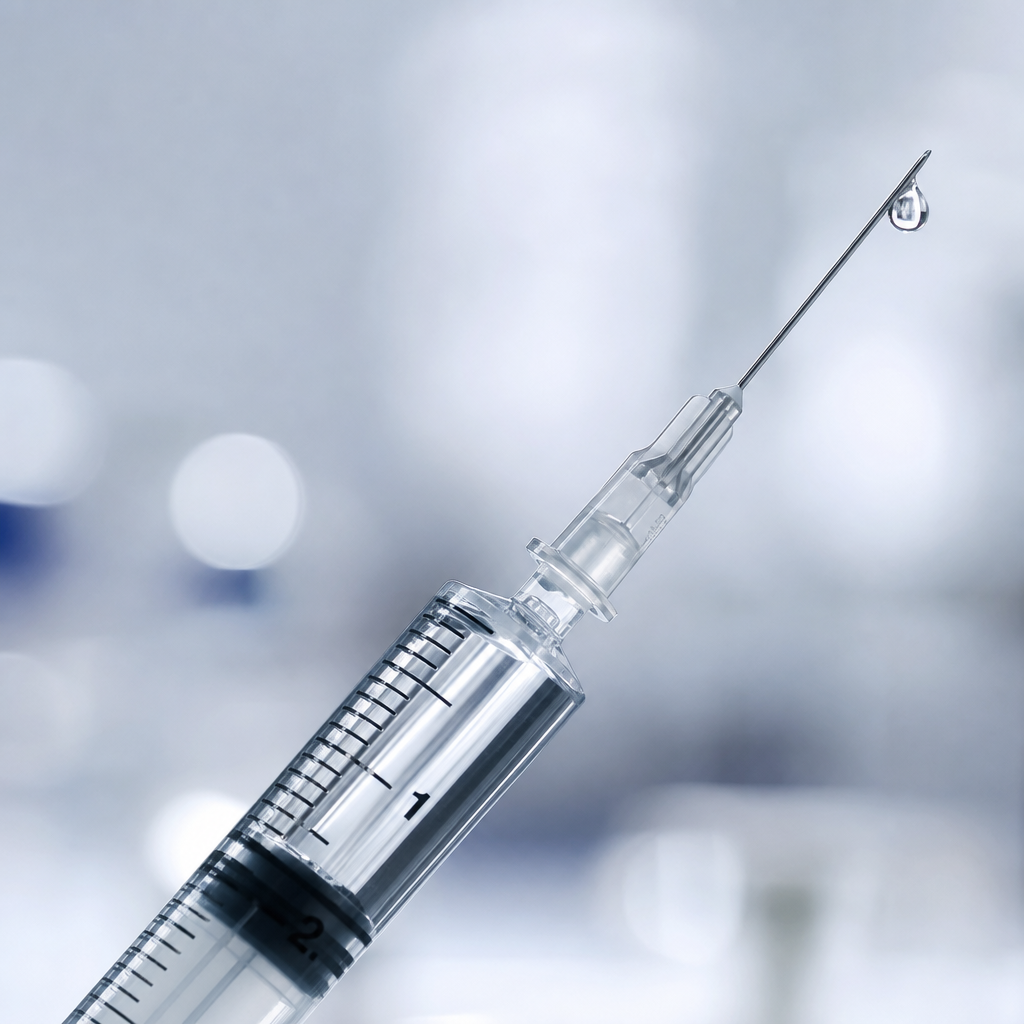
Most people asking about filler dissolving in Aurora come in with the same question: can this actually be undone? The honest answer is yes, but only if your filler is hyaluronic acid-based, and only when the procedure is handled by a trained clinician who understands both the anatomy and the enzyme involved. Hyaluronidase is not a magic eraser. It is a precise biochemical tool that, used correctly, can correct overfilled lips, migrate filler, or vascular compromise. Used incorrectly, it dissolves tissue you actually wanted to keep.
Table of Contents
- Quick Takeaways
- What Is Hyaluronidase and How Does It Work
- When Filler Dissolving Is the Right Call
- The Dissolving Procedure Step by Step
- Risks and What Can Go Wrong
- Comparison: Approaches to Filler Correction
- How Long Before You Can Refill
- Choosing the Right Clinic in Aurora and the GTA
- Frequently Asked Questions
- References
Quick Takeaways
| Key Insight | Explanation |
|---|---|
| Hyaluronidase only works on HA fillers | Products like Juvederm and Restylane can be dissolved. Sculptra, Radiesse, and silicone cannot. |
| Speed matters in vascular emergencies | If filler blocks a blood vessel, hyaluronidase must be injected within hours to prevent tissue death or vision loss. |
| Over-dissolving is a real risk | Too much enzyme or improper placement can break down your natural hyaluronic acid, leaving tissue deflated beyond the filler’s footprint. |
| Swelling after dissolving is expected | Most patients see significant swelling for 24 to 72 hours before the true result becomes visible. |
| You can refill after dissolving | Most clinicians recommend waiting two to four weeks before reinjecting to allow full clearance and tissue stabilization. |
| Allergic reactions are rare but real | A patch test or observation period is standard protocol before full treatment, especially in patients with known bee venom sensitivity. |
| Not all dissolving consultations lead to dissolving | A skilled injector will assess whether massage, time, or repositioning is more appropriate before committing to enzyme treatment. |
What Is Hyaluronidase and How Does It Work
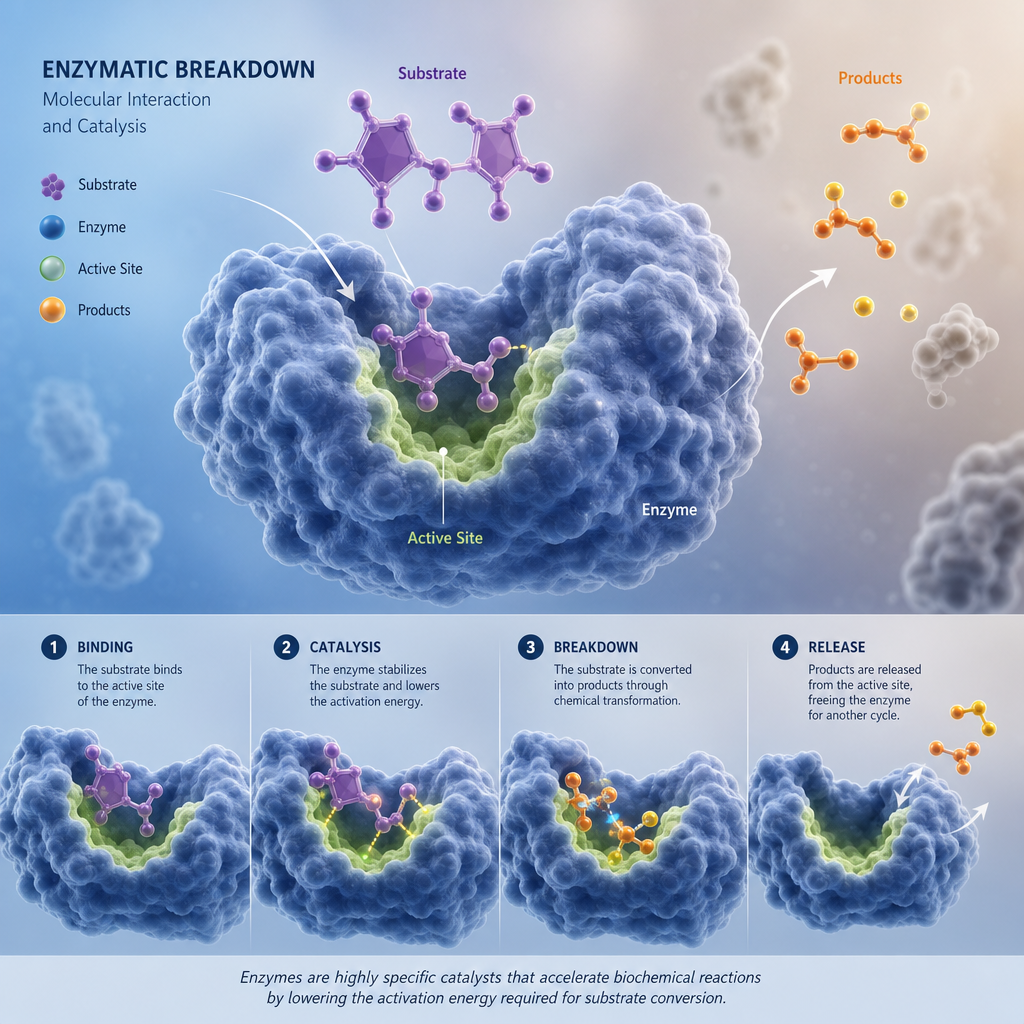
Hyaluronidase is an enzyme that breaks down hyaluronic acid by cleaving the glycosidic bonds in the HA polymer chain. In medical aesthetics, it is used specifically to dissolve hyaluronic acid-based dermal fillers, which include the most popular brands on the market: Juvederm Ultra, Juvederm Voluma, Restylane, Belotero, and Teosyal, among others.
In practice, the enzyme begins working almost immediately after injection. Most practitioners see visible softening within 24 to 48 hours. The concentration of the enzyme used, the cross-linking density of the filler product, and how long the filler has been in place all influence how quickly and completely it dissolves.
The data consistently shows that older, more cross-linked fillers like Voluma require higher doses or multiple sessions compared to softer, more superficial products like Juvederm Ultra XC. This is not a one-size-fits-all treatment. At Skin Excellence Medispa in Aurora, the assessment before any dissolving treatment includes a detailed history of what was injected, by whom, and when, because all of that information changes the approach.

When Filler Dissolving Is the Right Call
There are four distinct scenarios where dissolving is clearly the right clinical decision, and a fifth where it becomes a matter of preference versus patience.
Vascular Occlusion: The Emergency Case
A vascular occlusion occurs when filler is inadvertently injected into or compresses an artery, cutting off blood supply to the tissue. Symptoms include immediate blanching, livedo reticularis (a mottled, bluish discolouration), and severe pain. This is a medical emergency. Hyaluronidase must be administered immediately, often in large doses and across a wide area, without waiting for confirmation of brand or product.
In practice, any reputable clinic treating dermal filler patients must have hyaluronidase on hand at all times. This is a non-negotiable standard of care. The American Society of Plastic Surgeons and the British Journal of Dermatology both document cases where delayed treatment led to permanent tissue necrosis and, in the rarest and most severe cases, vision loss following glabellar or nasal injections.
Migration and Overfill
Filler migration happens when product moves from the original injection site over time or immediately after treatment. The classic example is the “duck lip” appearance caused by filler drifting above the vermillion border. Overfill describes a result that was simply too much volume, whether from a single session or accumulated treatments over years.
Both are valid reasons to dissolve. A common mistake is waiting too long, assuming the result will settle. Some products do soften over several months, but migration rarely self-corrects.
Incorrect Product Placement
Even experienced injectors occasionally place product too superficially, resulting in the Tyndall effect, a blue-grey discolouration visible under thin skin, particularly under the eyes. This is one of the most common reasons patients seek hyaluronidase in the GTA from a second provider after an unsatisfactory treatment elsewhere.
Patient Preference and Aesthetic Regret
This is the subjective case, and it is entirely valid. A patient who received lip filler six months ago and simply does not like how it looks has every right to dissolve it. The clinical bar for dissolving here is lower. The conversation is about expectation, recovery, and cost, not urgency.
The Dissolving Procedure Step by Step
The actual dissolving appointment at a clinic like Skin Excellence Medispa typically takes 30 to 45 minutes from consultation to completion. Here is what that looks like in practice.
First, the injector reviews the patient’s filler history and examines the treatment area under good lighting, sometimes using ultrasound if deep or unknown product placement is suspected. A topical anesthetic is applied to the area being treated. Then, the hyaluronidase is reconstituted to the appropriate concentration and injected using a fine needle or cannula, depending on the location and depth of the filler being targeted.
Pro tip: If a clinic does not ask what filler you had, where you had it done, and how long ago, that is a red flag. That information directly determines the dosing strategy.
After injection, gentle massage helps distribute the enzyme. Patients are advised not to apply heavy pressure or heat to the area for the first 24 hours. Most are seen for a follow-up assessment at two weeks to determine whether additional dissolving is needed or whether they are ready to rebook for fresh filler.
Risks and What Can Go Wrong
Honesty about risk is part of the reason patients trust Skin Excellence Medispa over options that make this sound purely routine. Dissolving carries real risks, and patients deserve to understand them before proceeding.
Over-Dissolving and Natural HA Loss
Hyaluronidase does not distinguish between injected filler and your body’s own hyaluronic acid. In theory, excessive dosing or imprecise placement can degrade native tissue HA, leaving the area looking hollowed out or deflated beyond what the original filler occupied. This is usually temporary, as the body replenishes its own HA, but the recovery period can be distressing for patients who were not warned.
Allergic Reactions
Hyaluronidase is derived from bovine or ovine sources in most formulations, though recombinant human versions exist. Patients with known sensitivities to bee venom or wasp stings have a documented higher risk of allergic reaction, because hyaluronidase is an enzyme shared across these species. Most clinicians administer a small test dose and observe for 15 to 20 minutes before proceeding with the full treatment.
Incomplete Dissolution
Some fillers, particularly older cross-linked products or those placed deeply, do not dissolve fully in one session. Patients should be counselled that a second or even third appointment may be necessary. Promising complete removal in one visit is not an honest representation of what this enzyme can reliably do in every case.
“Hyaluronidase is one of the most valuable tools in aesthetic medicine, but it requires the same precision as the original injection. The goal is always to restore anatomy, not erase it carelessly.” – Perspective shared within peer-reviewed aesthetic medicine education contexts
Comparison: Approaches to Filler Correction
| Approach | Best For | Limitations |
|---|---|---|
| Hyaluronidase (enzyme dissolving) | HA filler migration, overfill, Tyndall effect, vascular emergencies | Does not work on non-HA fillers; carries allergy and over-dissolving risk |
| Watchful waiting and massage | Minor asymmetry in first 2 weeks post-treatment; very soft superficial filler | Ineffective for migration, Tyndall effect, or any structural correction needed |
| Adding corrective volume | Minor asymmetry where one side needs more product rather than less | Not appropriate for overfill cases; can compound the problem if misapplied |
Pro tip: Never let a clinic talk you into adding more filler to “correct” a result that is clearly over-filled. This is the single most common mistake that brings patients to correction appointments two or three treatments later.
How Long Before You Can Refill
The standard clinical recommendation is to wait at least two to four weeks after dissolving before reinjecting filler into the same area. This window allows the hyaluronidase to fully clear, the tissue swelling to resolve, and the anatomy to stabilize so the injector can accurately assess the canvas they are working with.
Rushing back within days is a mistake for two reasons. First, residual swelling from the dissolving process creates a false baseline, meaning the injector cannot accurately judge how much volume the area actually needs. Second, there is theoretical evidence that hyaluronidase activity may persist in the tissue for 24 to 48 hours post-injection, meaning any new filler placed too soon could be partially degraded before it fully integrates.
At Skin Excellence Medispa, the follow-up assessment at two weeks is used specifically to confirm the area is ready, discuss any adjustments to the original treatment plan, and book the refill appointment at the right time. Patients who had poor experiences elsewhere often find this structured approach reassuring because it removes the pressure to commit to a new treatment before they are ready.
Choosing the Right Clinic in Aurora and the GTA
If you are searching for filler dissolving in Aurora or anywhere in the GTA, the criteria for choosing a provider should be more stringent than for a routine filler appointment. You are correcting a complication or an unsatisfactory outcome, which means the practitioner needs both the clinical knowledge to assess what went wrong and the technical skill to fix it safely.
There are specific questions worth asking before booking. Does the clinic have hyaluronidase in stock for emergencies, or is it only available by special request? Can the injector show you their training credentials in aesthetic medicine, specifically including complication management? Do they insist on a consultation before the dissolving appointment, or are they booking same-day without assessment? The answers tell you a great deal about how seriously a clinic takes patient safety.
Skin Excellence Medispa serves clients across Aurora, Newmarket, Richmond Hill, and the broader GTA who are looking for a clinic that treats dissolve dermal filler Ontario cases with the same thoroughness as primary aesthetic treatments. The goal is never just to undo something. The goal is to understand what happened, correct it properly, and create a plan that produces the result the patient actually wanted from the beginning.
Frequently Asked Questions
Can hyaluronidase dissolve all types of dermal filler?
No. Hyaluronidase only dissolves hyaluronic acid-based fillers such as Juvederm, Restylane, Belotero, and Teosyal. It has no effect on Sculptra (poly-L-lactic acid), Radiesse (calcium hydroxylapatite), or any permanent filler. If you are unsure what product was used in your previous treatment, bring any documentation you have to your consultation.
Does filler dissolving hurt?
Most patients describe the discomfort as similar to a standard filler injection, which is manageable with topical anesthetic. The lip area tends to be more sensitive than other zones. Swelling after the procedure can cause temporary tightness or tenderness, but this typically resolves within two to three days.
How much does it cost to dissolve filler in Aurora?
Pricing varies depending on the amount of enzyme required, the area being treated, and how many sessions are needed. A single dissolving session typically ranges from a few hundred dollars, but complex cases or large areas requiring multiple vials will cost more. A consultation at Skin Excellence Medispa will include an honest estimate based on your specific situation before any commitment is made.
Will I look deflated or worse after dissolving?
There is usually a period of swelling immediately after the procedure, which can temporarily distort the result. Once that settles over the following week, most patients find the area looks at or near baseline. In some cases, where the original filler had been filling underlying volume loss, patients may feel the area looks more hollow than before they started fillers. This can be addressed with a properly planned refill appointment two to four weeks later.
Is it safe to dissolve filler done by another clinic?
Yes, a qualified injector can dissolve filler placed by a different provider. What changes is the level of detail required in the pre-treatment assessment, because the receiving clinic needs to gather as much information as possible about the original product and placement. This is standard practice for correction cases, and it is not uncommon for patients to seek a second-opinion provider for dissolving when they feel uncertain about returning to the original clinic.
How long does hyaluronidase take to fully work?
Initial softening is often visible within 24 hours. The full effect of the enzyme, including complete breakdown of the targeted filler, is typically assessed at the two-week mark. In some cases, particularly with dense, deeply placed filler, a second session is needed at or after that follow-up visit.
If you have had a filler experience that left you uncertain about your options, or if you are still weighing whether dissolving is the right choice for you, we would genuinely like to hear what your situation looks like and what questions are still unanswered.
References
- U.S. National Library of Medicine: peer-reviewed research on hyaluronidase use in aesthetic medicine and vascular complications
- American Society of Plastic Surgeons: clinical guidance on dermal filler safety and complication management
- Ontario Ministry of Health: regulatory standards for medical aesthetic procedures performed in Ontario
- Statista: market data on dermal filler procedures and aesthetic medicine growth in North America
- Forbes Health: consumer reporting on medical spa industry standards and patient safety considerations