
Most people who try micro-needling alone see results. Most people who try PRP alone see results. But the clients who come through Skin Excellence Medispa asking about micro-needling PRP Aurora treatments are usually the ones who have already done one or the other and want more. The combination protocol is not marketing language. It is a clinically supported approach that addresses skin renewal at two distinct biological levels simultaneously, and the outcome data consistently outperforms either treatment used in isolation. If you are weighing your options in the GTA, here is exactly what you need to know.
Table of Contents
- Quick Takeaways
- What Is Micro-Needling with PRP?
- How the Combined Treatment Works
- Who Is a Good Candidate?
- What to Expect at Skin Excellence Medispa
- Comparing Treatment Approaches
- Results Timeline and Maintenance
- Frequently Asked Questions
- References
Quick Takeaways
| Key Insight | Explanation |
|---|---|
| PRP amplifies micro-needling results | Platelet-rich plasma applied during micro-needling penetrates deeper through the micro-channels, delivering growth factors directly where collagen remodeling begins. |
| Your own blood is the active ingredient | PRP is derived from a small sample of the patient’s own blood, centrifuged to concentrate platelets. There is no synthetic filler involved. |
| Three to four sessions produce the most consistent results | A single session provides visible improvement, but clinical data supports a series of three to four sessions spaced four to six weeks apart for durable skin renewal. |
| Fine lines, scarring, and texture all respond | This combined PRP skin treatment GTA clients request most often targets multiple concerns at once, including acne scarring, fine lines, enlarged pores, and uneven tone. |
| Downtime is minimal but real | Expect 24 to 48 hours of redness and minor swelling. Most clients return to normal activity within two days. |
| Sun protection is non-negotiable post-treatment | Freshly treated skin is more photosensitive. SPF 30 or higher must be applied daily for a minimum of two weeks following each session. |
| Not all micro-needling devices are equal | Medical-grade devices used at clinics like Skin Excellence Medispa penetrate at consistent, controlled depths. Consumer rollers do not offer the same precision or sterility. |
What Is Micro-Needling with PRP?
Micro-needling with PRP is a two-part treatment that combines the controlled skin injury of micro-needling with the regenerative properties of platelet-rich plasma drawn from the patient’s own blood. Neither component is new. Micro-needling has been performed in clinical settings since the late 1990s. PRP has been used in orthopedics and wound healing for decades. What changed is the recognition that applying PRP immediately after micro-needling, while the micro-channels in the skin are still open, dramatically increases the absorption and effectiveness of the plasma.
A 2018 study published in the Journal of Cosmetic Dermatology found that combining PRP with micro-needling produced significantly greater improvement in acne scars compared to micro-needling alone, with patients reporting higher satisfaction scores at the 12-week follow-up. The data is consistent across multiple peer-reviewed sources: combination outperforms monotherapy.
At Skin Excellence Medispa in Aurora, this combined skin treatment Aurora Ontario clients request is performed by experienced practitioners who calibrate needle depth and PRP concentration based on each individual’s skin condition and treatment goals. That personalization matters more than most people realize.
How the Combined Treatment Works
Understanding the mechanism makes it easier to set realistic expectations and to commit to a proper treatment series. The process unfolds in two distinct phases during a single appointment.
Phase One: Creating the Micro-Channels
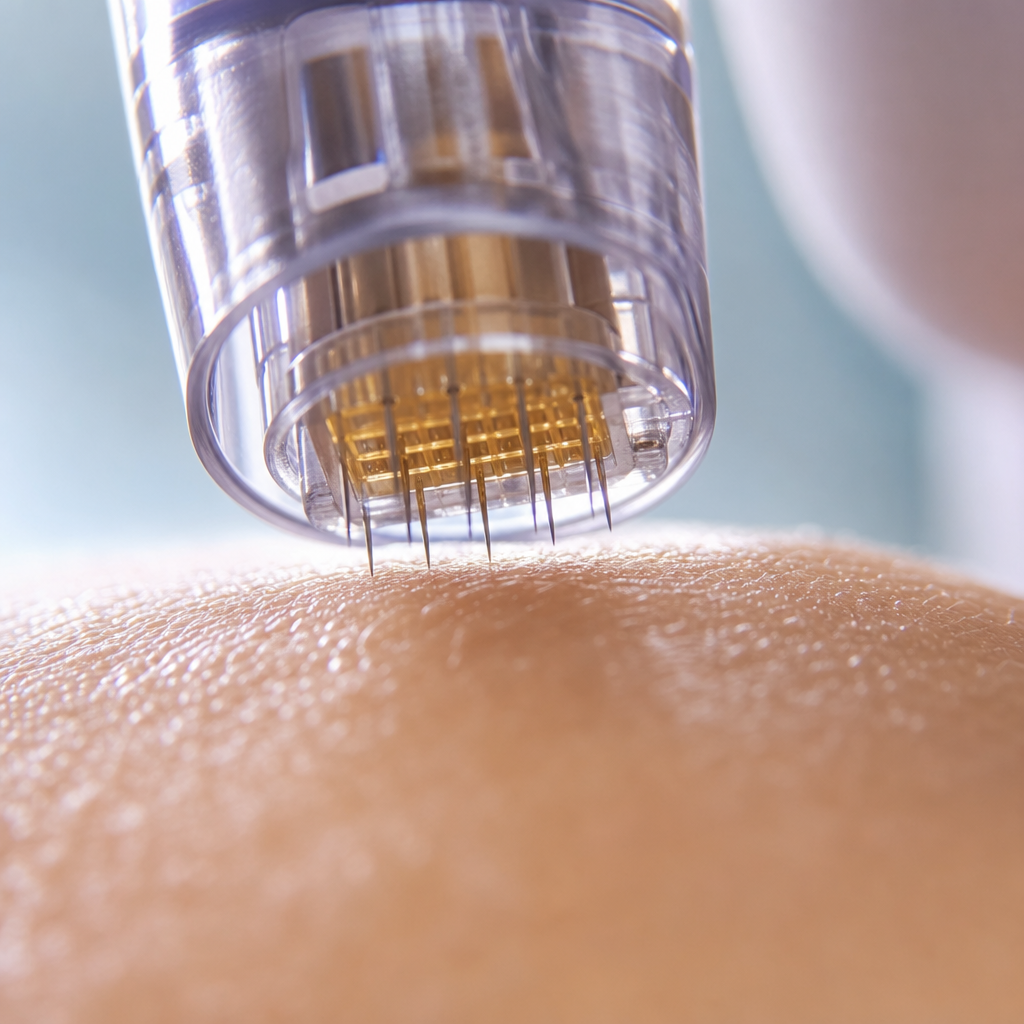
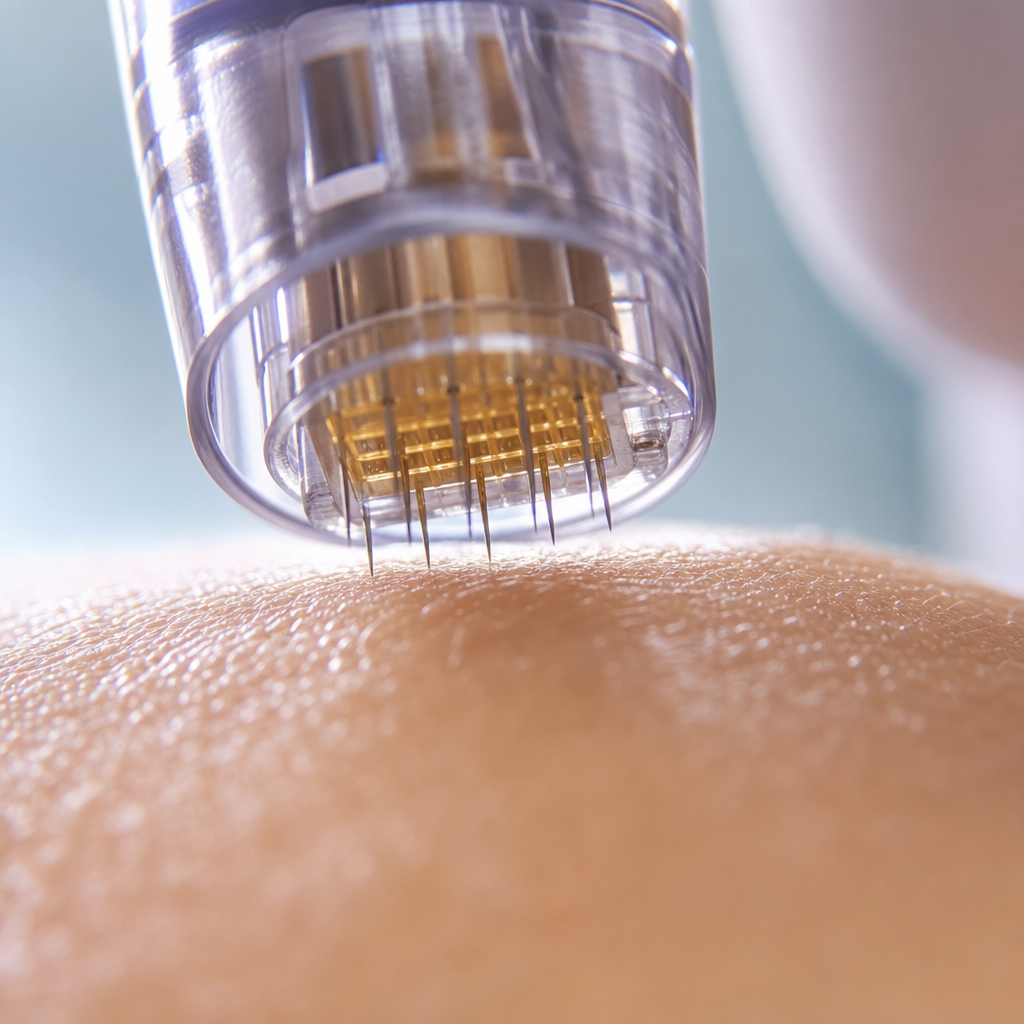
A medical-grade micro-needling device creates thousands of micro-punctures in the skin surface. These punctures are precise and controlled. The depth ranges from 0.5 mm to 2.5 mm depending on the area being treated and the concern being addressed. Superficial needle depths address pigmentation and texture. Deeper settings target acne scarring and volume loss in thicker skin.
The micro-injuries trigger the skin’s natural wound healing cascade. Collagen synthesis begins, elastin production increases, and the skin starts the process of generating new, healthier tissue. This response alone produces visible results over six to eight weeks.
Phase Two: PRP Application and Absorption
Immediately after micro-needling, platelet-rich plasma is applied topically to the treated area. Because the micro-channels are open, the PRP bypasses the stratum corneum, the skin’s outermost barrier that normally blocks topical absorption. The growth factors in PRP, including platelet-derived growth factor (PDGF) and vascular endothelial growth factor (VEGF), reach the dermis directly.
These growth factors accelerate the healing response already triggered by micro-needling. The result is a faster, more robust collagen remodeling process than either treatment produces independently. In practice, clients who have done micro-needling alone and then add PRP consistently report that the improvement they see after one combined session rivals what took three solo sessions previously.
Pro tip: Ask your practitioner about needle depth customization for different zones of the face. The skin around the eyes and upper lip is thinner and requires shallower settings than the cheeks or forehead. A practitioner who uses one depth for the entire face is cutting corners.
Who Is a Good Candidate?
The honest answer is that this combined treatment works well for a broad range of adults, but it is not a fit for everyone. Knowing where the boundaries are saves time and prevents disappointing outcomes.
Conditions That Respond Well
Acne scarring is the strongest indication. The literature on this is consistent and the clinical results at medispas across the GTA confirm it. Fine lines, skin laxity in early to moderate stages, enlarged pores, hyperpigmentation, and overall dullness also respond reliably. Clients in their late 20s through their 60s make up the majority of candidates for this PRP skin treatment GTA providers offer.
Who Should Pause or Avoid Treatment
Active acne breakouts are a contraindication. Introducing micro-injuries into inflamed skin risks spreading bacteria and worsening the condition. Blood clotting disorders, certain medications including blood thinners, and active skin infections also preclude treatment. Clients who are pregnant or nursing are advised to wait.
A common mistake is assuming that darker skin tones cannot safely undergo micro-needling. This is outdated thinking. With proper device settings and a practitioner experienced in treating diverse skin tones, Fitzpatrick types IV through VI can be treated effectively and safely. The key is avoiding aggressive settings that generate excess heat, which can trigger post-inflammatory hyperpigmentation.
“PRP is not a magic serum. It is a delivery mechanism for your own biology. When you pair it with micro-needling, you are essentially giving those growth factors a direct route to where the real repair work happens.” – Dr. S. Mehrabi, dermatology and aesthetic medicine educator, frequently cited in Canadian aesthetic training curricula.
What to Expect at Skin Excellence Medispa
For GTA residents who have heard about this treatment from a friend or been referred by someone who has already done it, knowing what actually happens in the appointment removes a lot of the uncertainty.
Before the Appointment
Clients are advised to avoid retinoids, exfoliating acids, and direct sun exposure for at least five days before treatment. Blood is drawn at the start of the appointment, typically 10 to 20 ml depending on the treatment area. A topical numbing cream is applied to the face for 30 to 45 minutes before the micro-needling begins.
During the Session
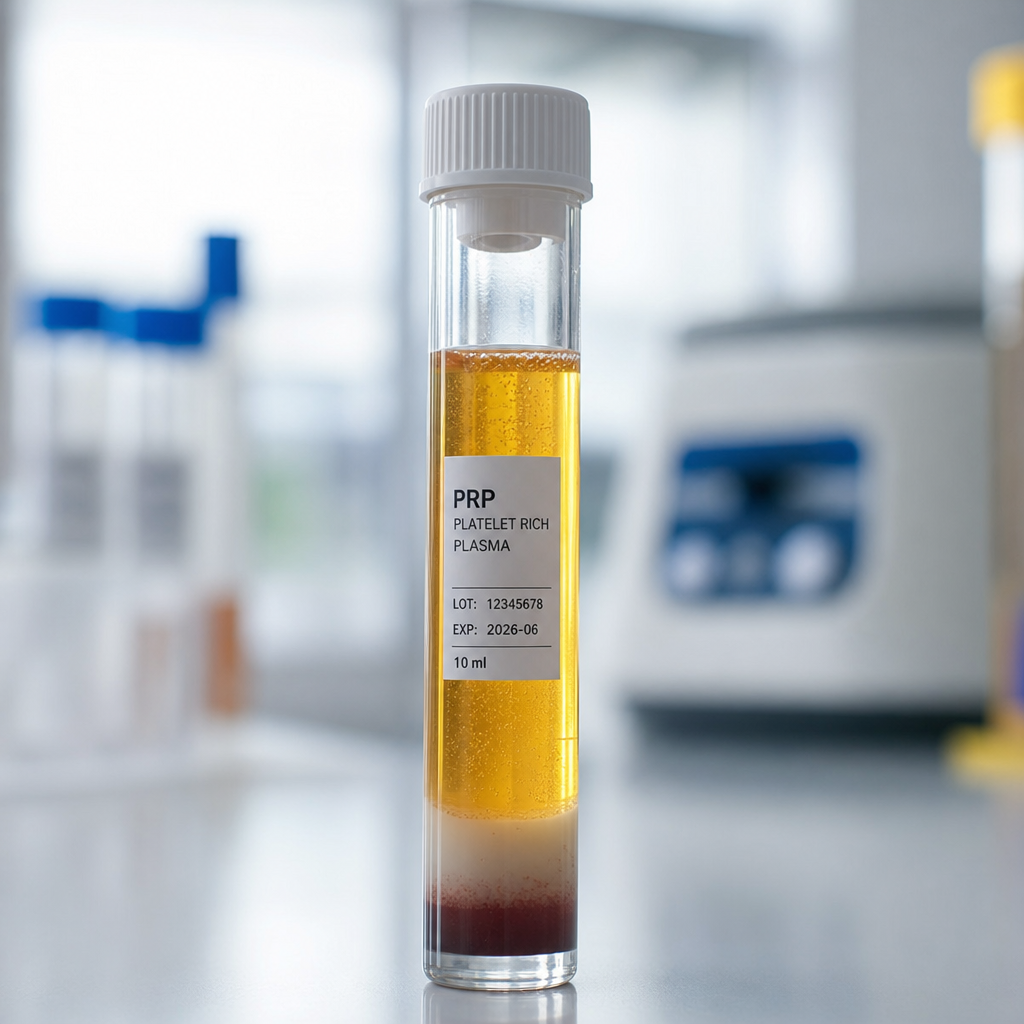
While the numbing cream works, the blood sample is placed in a centrifuge to separate the platelet-rich plasma from the red blood cells. The centrifuge cycle takes approximately 10 minutes. By the time micro-needling is complete, the PRP is ready for application. The full appointment runs roughly 60 to 90 minutes.
After the Session
Redness is expected and normal for 24 to 48 hours. Some clients experience minor pinpoint bleeding during treatment and mild swelling the following morning. This is part of the healing process. Avoid makeup for the first 24 hours, skip the gym for 48 hours, and stay out of direct sunlight. The skin will look noticeably refreshed by day three to five.
Skin Excellence Medispa also offers standalone micro-needling, PRP and PRF therapies, and complementary treatments like Sculptra and medical-grade facials that can be scheduled in the weeks between micro-needling PRP sessions to maintain and extend results.
Pro tip: Schedule your combined session at least two weeks before any major event. The immediate post-treatment redness resolves quickly, but the full glow of early collagen production typically shows up around day 10 to 14. That is when you want to be in front of a camera or at a social event.
Comparing Treatment Approaches
Clients comparing options across GTA clinics often ask whether they should do micro-needling with PRP, micro-needling with a topical serum, or PRP injections alone. Here is a direct comparison based on what the clinical evidence and in-practice results actually support.
| Approach | How It Works | Best For |
|---|---|---|
| Micro-Needling with PRP (Combined) | Micro-channels created by needling allow deep PRP penetration. Growth factors accelerate collagen remodeling triggered by needling. | Acne scarring, fine lines, skin texture, overall rejuvenation. Best overall outcome per session. |
| Micro-Needling with Hyaluronic Acid Serum | Hyaluronic acid is delivered through micro-channels for surface hydration and plumping. No biological growth factors involved. | Dehydration, mild texture issues, clients who cannot use PRP. Solid results but less regenerative depth. |
| PRP Injections Alone (No Needling) | PRP is injected directly into specific areas, typically under-eye hollows or hairline. Absorption is localized and targeted. | Targeted volume restoration and under-eye improvement. Less effective for broad skin texture concerns. |
The combined approach wins for most candidates seeking generalized skin renewal. PRP injections alone make more sense for very targeted applications, such as hair restoration or under-eye treatment, where topical application would be ineffective. The hyaluronic acid option is a reasonable alternative for clients with conditions that contraindicate using their own blood.
Results Timeline and Maintenance
Setting accurate expectations here is one of the most important things a practitioner can do. Clients who understand the collagen production timeline stick with their treatment plan. Clients who expect overnight transformation get discouraged and abandon the process prematurely.
What to Expect Week by Week
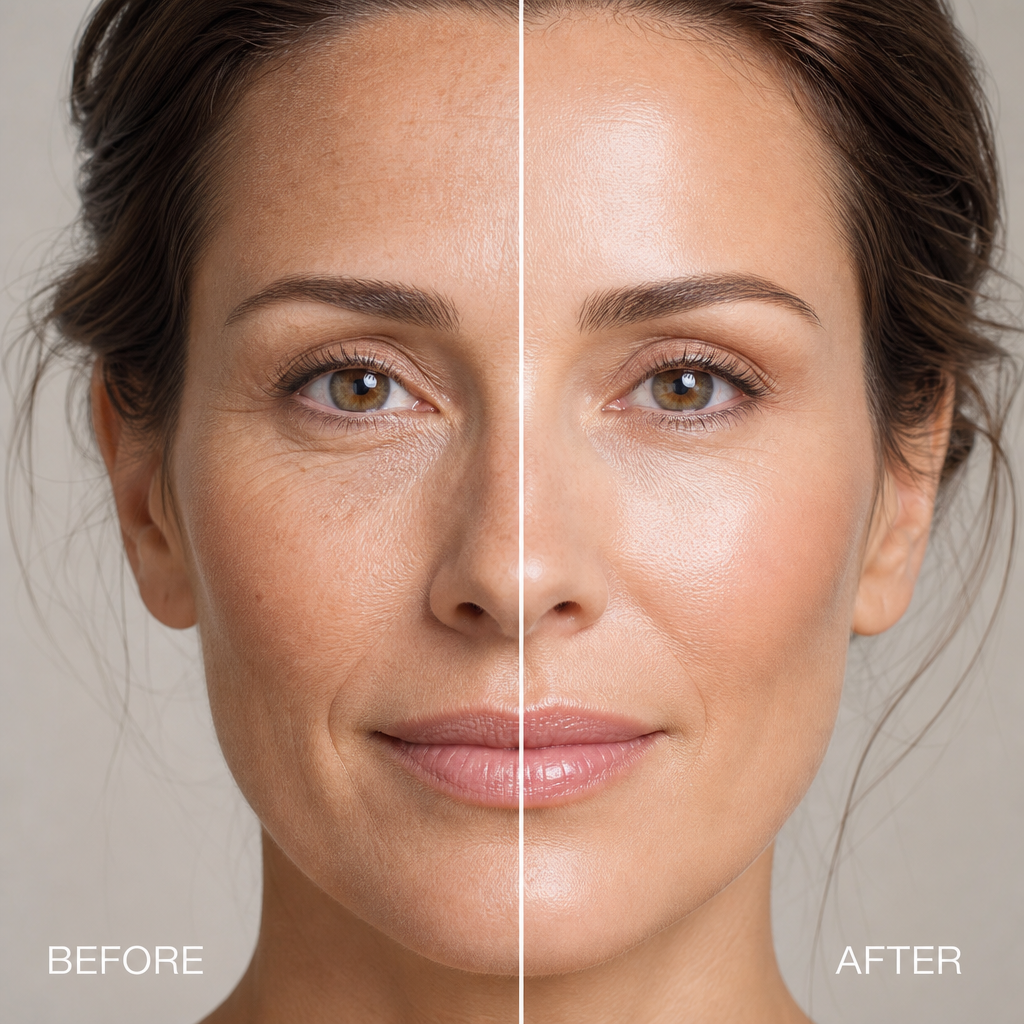
Week one brings initial brightness as the skin heals and superficial texture smooths out. This is the hydration and mild surface renewal effect. Weeks two through four are when early collagen synthesis becomes visible, particularly in reduced pore size and improved skin tone evenness. Weeks six through twelve show the most significant results as the deeper collagen remodeling matures. Acne scars fill in measurably, fine lines soften, and overall skin firmness improves.
Maintenance After a Full Series
After completing three to four sessions, most clients maintain results with one or two sessions per year. The biology here is straightforward: collagen naturally degrades over time, and seasonal sessions keep the production cycle active. Pairing maintenance micro-needling PRP appointments with a strong home skincare routine, including a medical-grade vitamin C serum and SPF 30 or higher daily, extends the interval between clinical sessions.
Clients at Skin Excellence Medispa sometimes combine their maintenance sessions with treatments like medical facials or light-based therapies to address new concerns as they arise, rather than waiting until significant aging has accumulated.
Frequently Asked Questions
Is micro-needling with PRP painful?
With a properly applied topical numbing cream, most clients describe the sensation as mild pressure or warmth rather than pain. Areas with thinner skin, such as around the nose and upper lip, can feel more sensitive. The numbing cream is applied 30 to 45 minutes before the device makes contact with the skin, which is enough time for most people to feel comfortable throughout the session.
How many sessions do I need to see real results?
One session produces visible improvement, especially in skin hydration and surface texture. For more significant concerns like acne scarring, pigmentation, or early laxity, three to four sessions spaced four to six weeks apart is the evidence-supported protocol. Expecting one session to do the work of four is the fastest way to be disappointed with a treatment that genuinely works when given the proper series.
Can I combine micro-needling PRP with other treatments?
Yes, and this is where the results get interesting. Many clients in Aurora and across the GTA combine micro-needling PRP sessions with Sculptra, Botox, or medical facials in a staggered schedule. These treatments address complementary concerns: PRP drives regeneration, Sculptra rebuilds volume, and Botox reduces dynamic movement that deepens expression lines. Your practitioner at Skin Excellence Medispa can map out a schedule that sequences these treatments for maximum benefit without overloading the skin.
What is the difference between PRP and PRF?
Platelet-rich fibrin (PRF) is a second-generation version of PRP that uses a slower centrifuge speed and no anticoagulants. The result is a fibrin matrix that releases growth factors more slowly over a longer period. PRF is often considered slightly more potent than PRP for skin applications because of this sustained-release effect. Both are offered at Skin Excellence Medispa, and the choice between them depends on the specific treatment goals and the area being addressed.
How does micro-needling PRP compare to laser resurfacing for acne scars?
Both are effective for acne scarring, but they suit different profiles. Laser resurfacing, particularly ablative lasers, typically produces faster visible improvement but comes with longer downtime and higher risk of hyperpigmentation in darker skin tones. Micro-needling with PRP is safer across a wider range of skin tones, has minimal downtime, and builds results progressively through a series. For many GTA clients who cannot afford extended downtime, micro-needling PRP is the more practical path to comparable long-term results.
How soon after treatment can I wear makeup?
Wait a minimum of 24 hours before applying any makeup to freshly needled skin. The micro-channels created during treatment remain slightly open in the first day, and applying cosmetics before they close introduces bacteria and potential irritants directly into the dermis. Most clients find the redness resolves enough by day two that they can resume their normal routine comfortably.
Have you had a micro-needling PRP treatment, or are you weighing it against another option? We would genuinely like to hear what questions came up for you and what finally helped you decide.
References
- National Institutes of Health PubMed database: peer-reviewed research on PRP and micro-needling clinical outcomes
- American Academy of Dermatology: clinical guidelines and patient resources on collagen induction therapy
- Statista: global medical aesthetics market size and consumer trends in non-surgical skin treatments
- Healthline: evidence-reviewed explanations of PRP therapy mechanisms and skin applications
- Mayo Clinic: overview of platelet-rich plasma therapy uses, risks, and patient considerations