
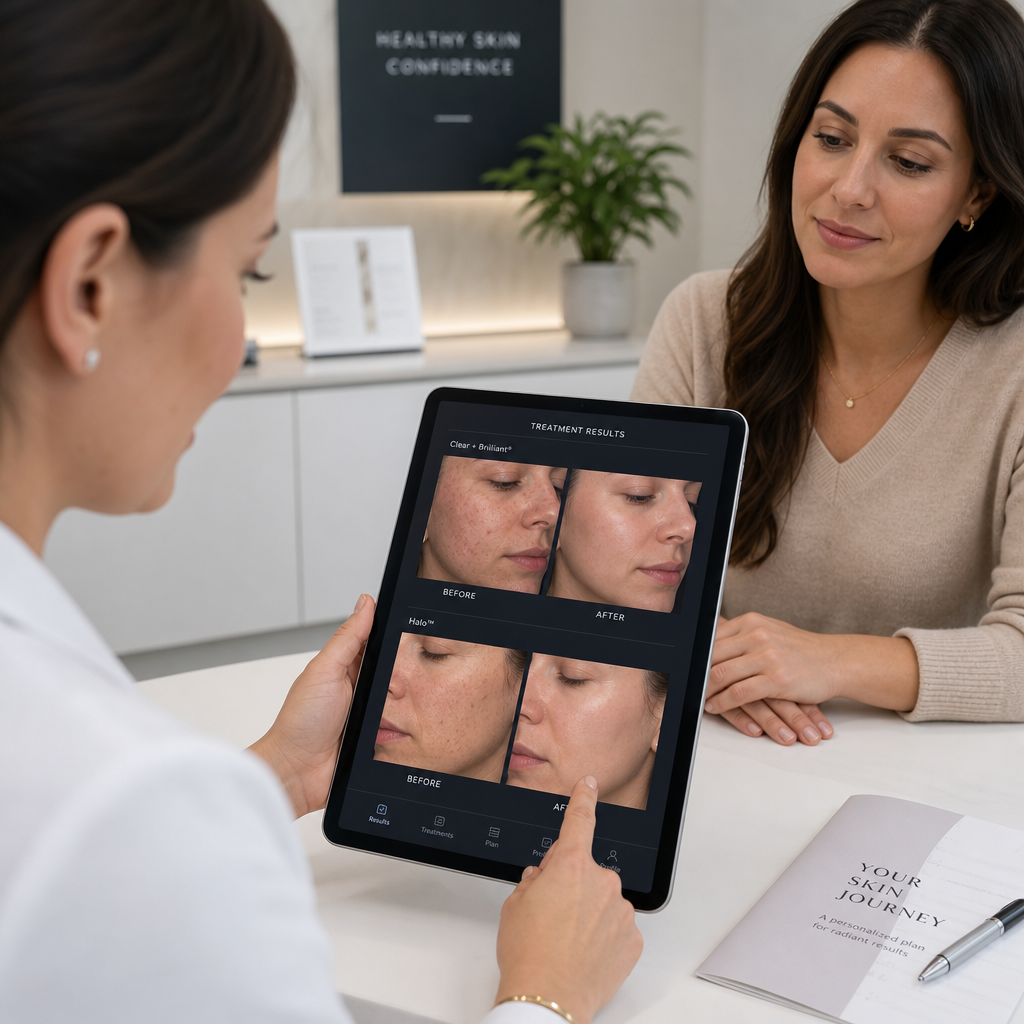
A friend recommends a medispa, you search “medispa near me GTA”, and suddenly you have a dozen options with nearly identical websites and suspiciously similar before-and-after photos. The Greater Toronto Area medical aesthetics market is crowded, and that crowding means one thing: the gap between a skilled, medically supervised clinic and a cut-rate operation offering the same services is enormous, and most people cannot tell the difference until something goes wrong. Before you book any injectable, laser, or skin resurfacing treatment in Aurora or anywhere across the GTA, these seven questions will protect your skin, your budget, and your results.
Table of Contents
Quick Takeaways
| Key Insight | Explanation |
|---|---|
| Practitioner credentials matter more than clinic branding | In Ontario, injectables must be prescribed and supervised by a regulated health professional. Confirm your injector’s specific qualifications, not just the clinic’s general reputation. |
| A consultation is a red flag test, not a sales pitch | Clinics that skip a face-to-face assessment and go straight to booking are prioritizing volume over safety. Walk away if there is no structured intake process. |
| Health Canada-approved products are non-negotiable | Ask specifically whether the Botox or filler brand used is Health Canada-approved. Grey-market products exist and they are not traceable in adverse events. |
| Transparent pricing signals clinic integrity | Clinics that publish clear per-unit or per-syringe pricing with no hidden “facility fees” demonstrate confidence in their value. Vague pricing is a warning sign. |
| Aftercare access is part of the service, not optional | A quality medispa provides a clear protocol for post-treatment concerns, including how to reach a practitioner if you experience side effects 48 hours after treatment. |
| Real before-and-after photos should match your skin type | Stock or unrelated photos in a clinic’s gallery are a serious problem. Ask to see results on patients with your skin tone, age range, and concern. |
| Location within the GTA affects follow-up convenience | Treatments like Sculptra and PRP require multiple sessions. A clinic in Aurora is accessible to residents across York Region and North Toronto without the downtown parking burden. |
Who Is Actually Performing Your Treatment?
This is the single most important question you can ask, and most people never ask it. They book with a clinic, not a practitioner, and only discover on arrival that their Botox injection will be performed by someone whose credentials they cannot verify on the spot.
In Ontario, the administration of neurotoxins and dermal fillers is a controlled act under the Regulated Health Professions Act. A physician, nurse practitioner, or registered nurse working under a physician’s delegation is required. The phrase “performed by a trained professional” on a clinic website means nothing without specifics.
What to ask directly
Ask for the full name and professional designation of the person who will perform your treatment. Then look them up on the College of Nurses of Ontario or the College of Physicians and Surgeons of Ontario directory. This takes under two minutes and it eliminates an enormous category of risk. Verified credentials are the baseline, not a bonus feature.
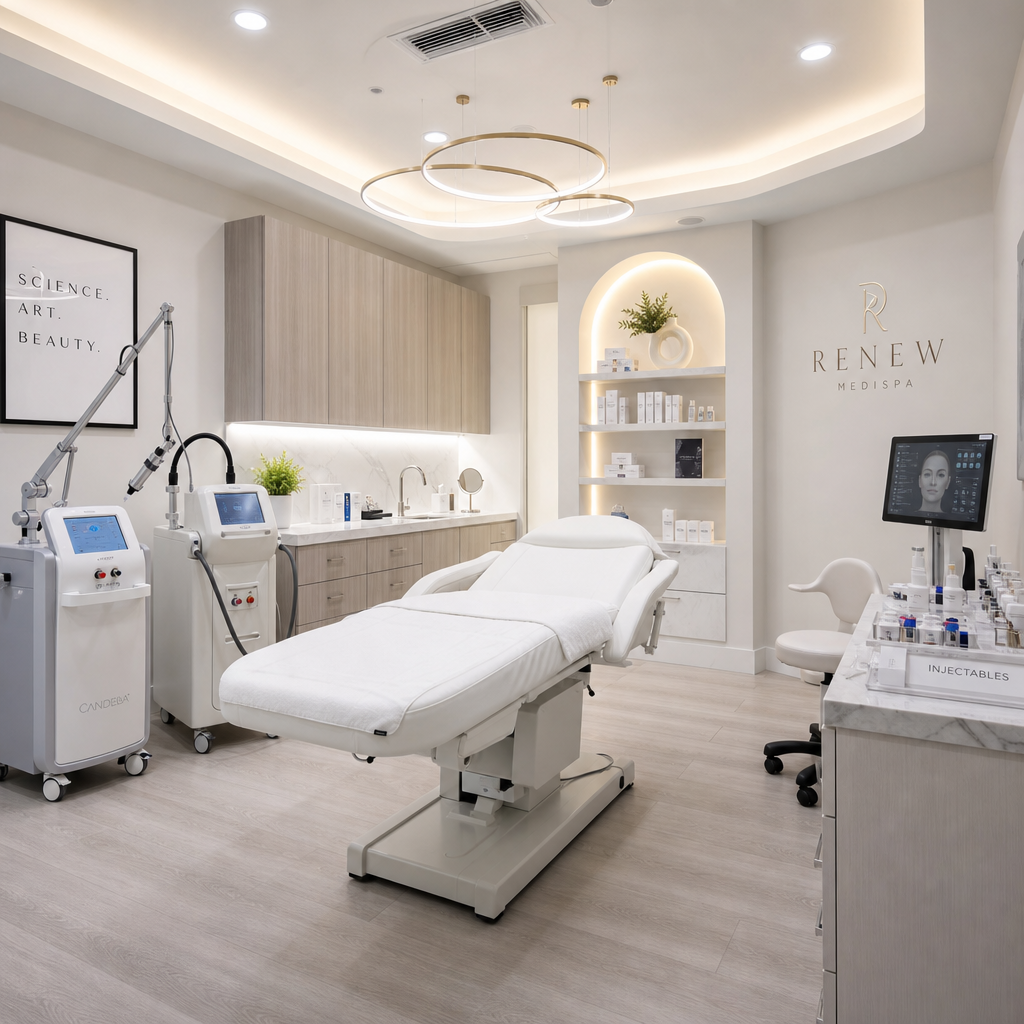
At Skin Excellence Medispa in Aurora, treatments are delivered by experienced practitioners with documented qualifications. That transparency should be the standard you hold every other GTA clinic to when evaluating your options.
Pro tip: If a clinic’s website lists credentials only for the medical director but not the injector who will actually treat you, call and ask directly. The answer tells you everything about how that clinic values accountability.
Is the Clinic Medically Supervised?
Medical supervision and medical presence are not the same thing. Some GTA medispas list a physician as their medical director who has never stepped foot in the clinic. In Ontario, the regulatory expectation is meaningful oversight, not a name on a letterhead.
A properly supervised clinic has protocols for managing adverse events, a physician available for consultation when complex cases arise, and a clear escalation path if something goes wrong during or after treatment.
Why this matters for injectables specifically
Complications from fillers, including vascular occlusion, are rare but they are real and they require immediate medical intervention. Clinics without genuine on-call medical supervision cannot respond adequately to these events. Vascular occlusion can cause tissue necrosis within hours without the right intervention, including hyaluronidase dissolution. A medispa that cannot walk you through their emergency protocol during a consultation is not one you should trust with your face.
“Consumers in Canada have a right to know exactly who is responsible for their medical aesthetic care and what oversight exists when things do not go as planned.” – College of Physicians and Surgeons of Ontario, guidance on delegation of controlled acts
Pro tip: Ask the clinic directly: “If I have a complication 24 hours after my treatment, who do I call and what is the response time?” A confident, specific answer is a green flag. Vagueness is not.
What Products and Technologies Does the Clinic Use?
Not all Botox is Botox. Not all hyaluronic acid fillers are equivalent. The GTA market includes clinics using premium, Health Canada-approved brands alongside clinics using imports of uncertain provenance. The difference in cost to the clinic is significant. The difference in safety to you is potentially much greater.
Injectable brands worth knowing
Approved neurotoxins in Canada include Botox (AbbVie), Dysport (Galderma), and Xeomin (Merz). Approved filler brands include Juvederm, Restylane, Sculptra, and Radiesse, among others. Belkyra, the injectable fat-reduction treatment for submental fullness, is specifically approved by Health Canada and should be the only product used for double chin reduction at any credible clinic.
For technologies, ask about the specific device models used for laser hair removal, micro-needling, and skin resurfacing. Clinics invested in Health Canada-cleared, medical-grade equipment are operating in a different category from those using consumer-grade devices rebranded as professional tools.
Asking about product sourcing without sounding accusatory
A simple, direct question works well: “Can you confirm the brand of filler you use and that it is sourced directly from the Canadian distributor?” A confident clinic will answer without hesitation. Hesitation or deflection is meaningful data.
Does the Clinic Offer a Real Consultation Before Booking?
A real consultation is not a 10-minute upsell conversation. It is a structured intake that includes reviewing your medical history, discussing your aesthetic goals, assessing your facial anatomy, and explaining realistic outcomes and risks for your specific situation.
Clinics that allow you to book a full Botox or filler appointment online without any prior assessment are not practicing safely. The treatment plan should follow the consultation, not the other way around.
What a good consultation covers
Expect questions about medications (especially blood thinners and certain supplements), previous cosmetic treatments, allergies, pregnancy or breastfeeding status, and your specific concerns and goals. A practitioner who skips these questions is cutting corners on your safety assessment. Informed consent is a legal and ethical requirement, and it cannot be meaningfully obtained without a proper consultation.
Clinics like Skin Excellence Medispa structure consultations as genuine assessments, not booking formalities. That approach means treatment plans are personalized to your anatomy, not copied from a standard template. When a friend refers you to a medispa in the GTA, ask them specifically whether they had a thorough consultation before any needle touched them.

How Transparent Is Pricing, and What Does It Actually Include?
Opaque pricing in medical aesthetics is a deliberate strategy, and it is worth being direct about that. A clinic that will not tell you the cost per unit of Botox or the cost per syringe of filler before you arrive is making it harder for you to compare value accurately.
Transparent pricing does not mean the cheapest price. It means you know exactly what you are getting for your money before you sit down in the treatment chair.
Red flags in medispa pricing
Watch for “starting at” pricing with no ceiling, per-area pricing that does not disclose how many units that includes, and promotional pricing that expires the moment you ask a follow-up question. These are sales techniques, not service communications. Per-unit pricing for Botox is the industry standard for a reason: it reflects exactly what was used in your treatment and allows for accurate comparison.
Also ask whether the consultation fee is credited toward your treatment, what the touch-up policy is if your results are uneven, and whether there are any additional facility or product fees not included in the quoted price.
What Does Aftercare and Follow-Up Look Like?
The quality of a medispa’s aftercare protocol is one of the clearest signals of how much they value the client relationship versus the transaction. Treatments like micro-needling, PRP, PRF therapy, and Sculptra require specific post-treatment care and, in many cases, follow-up appointments to assess results and plan next sessions.
A clinic that hands you a printed sheet and sends you home without a scheduled check-in is not providing comprehensive care. The treatment does not end when you leave the clinic.
Specific aftercare questions to ask
Ask what the recommended downtime is for your specific treatment, what products you should and should not use in the 48 hours following treatment, and whether the clinic provides a direct contact number for post-treatment concerns. For treatments like laser hair removal or medical facials, ask about sun exposure protocols and skin sensitivity management. For injectables, ask about bruising management and what symptoms would warrant an immediate call to the clinic.
The best medispas in the GTA treat aftercare as part of the service package, not an add-on. When comparing clinics in Aurora and the broader area, the aftercare conversation is one of the fastest ways to distinguish genuinely patient-centered clinics from those focused primarily on booking volume.
Does the Clinic’s Portfolio Match Your Specific Goals?
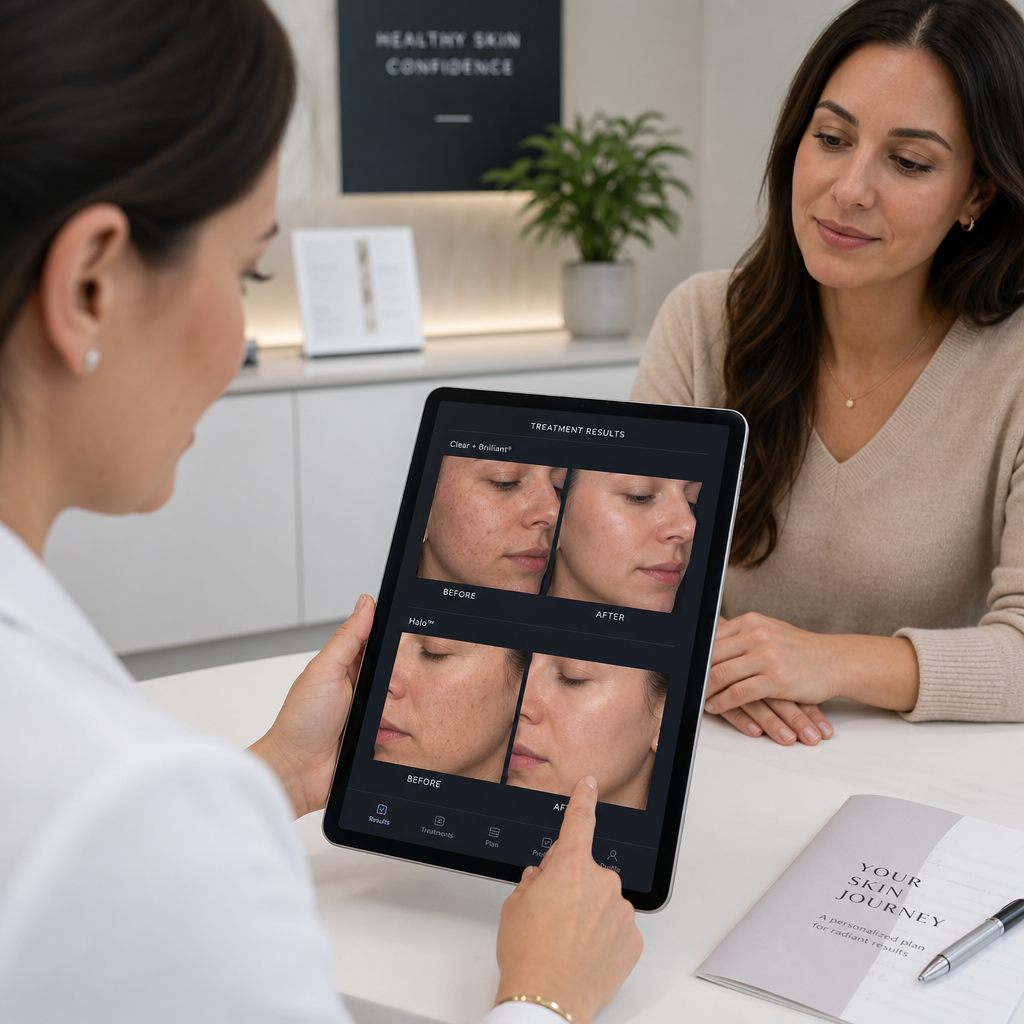
Before-and-after galleries are a standard marketing tool across the GTA medispa market, but their value depends entirely on their authenticity and relevance to your situation. A gallery full of dramatic results on 28-year-olds with no sun damage tells you very little if you are 47 and concerned about mid-face volume loss and skin laxity.
Ask to see results specifically relevant to your concern, your age range, and your skin tone. A clinic confident in its outcomes will have this without hesitation. A clinic that cannot show you relevant examples is either not photographing outcomes systematically or not achieving results worth photographing.
Reading a before-and-after photo critically
Consistent lighting, angle, and makeup conditions between before and after photos are the baseline for honest comparison. Photos where the “before” is taken under harsh overhead lighting and the “after” under soft diffused lighting are not showing you results. They are showing you photography. Authentic portfolio images use standardized conditions, and any reputable clinic will explain their photography protocol if you ask.
Also look at the variety of treatments represented. A clinic that performs Botox, dermal fillers, Belkyra, Sculptra, micro-needling, PRP and PRF therapies, and medical facials with confidence should have portfolio examples across all of those categories, not just their highest-volume service.
Comparing Medispa Models in the GTA
Not all medispas in the Greater Toronto Area operate on the same model, and the differences matter for your safety, your results, and your experience. Here is a direct comparison of the three most common clinic types you will encounter when searching for a medispa near you in the GTA.
| Clinic Type | Strengths | Risks and Limitations |
|---|---|---|
| High-volume downtown Toronto chain | Wide brand recognition, multiple locations, frequent promotional pricing | Higher practitioner turnover, less personalized care, inconsistent results across locations, harder to build ongoing client-practitioner relationship |
| Hospital-affiliated dermatology or plastic surgery clinic | Highest level of medical oversight, excellent for complex cases or skin conditions requiring diagnosis | Long wait times, often less focused on aesthetic optimization than medical correction, may not offer full range of cosmetic services |
| Independent medical aesthetic clinic (e.g., Skin Excellence Medispa, Aurora) | Personalized treatment plans, consistent practitioner relationship, medically supervised with full aesthetic service range, accessible location for York Region and North GTA clients | Fewer locations than chains, may have shorter promotional history than established downtown brands |
The data consistently shows that client satisfaction in medical aesthetics correlates strongly with treatment continuity. Seeing the same practitioner across multiple appointments means they know your anatomy, your history, and your goals. That continuity is far easier to achieve at an independent clinic than at a high-volume chain where staff rotation is common.
For residents across York Region, Aurora, Newmarket, Richmond Hill, and North Toronto, choosing a medispa in Aurora like Skin Excellence Medispa eliminates the downtown Toronto commute without sacrificing clinical quality. That is a practical advantage worth factoring into your decision alongside the seven questions above.
Frequently Asked Questions
How do I verify a medispa injector’s credentials in Ontario?
Search the College of Nurses of Ontario public register at cno.org or the College of Physicians and Surgeons of Ontario at cpso.on.ca using the practitioner’s full name. Both registries are publicly accessible and show current registration status, any disciplinary history, and authorized scope of practice. This takes under three minutes and should be done before any injectable appointment.
Is Botox in Aurora cheaper than in downtown Toronto?
Per-unit pricing for Botox varies across the GTA, but the difference between Aurora and downtown Toronto is typically modest, often between 5 and 15 percent depending on the clinic. What matters more than slight price variation is the number of units used, the skill of the injector, and the aftercare included. A lower price per unit means nothing if under-dosing leads to results that fade in six weeks instead of three to four months.
What is the difference between a medispa and a regular day spa?
A medispa operates under medical supervision and offers treatments that cross into regulated medical territory, including neurotoxin injections, dermal fillers, laser devices, and prescription-strength skin treatments. A day spa offers relaxation and cosmetic services that do not require medical oversight, such as massages, facials using over-the-counter products, and waxing. If a spa is offering Botox or laser hair removal without a clearly identified supervising physician, that is a regulatory problem in Ontario.
How many sessions of micro-needling or PRP are needed for real results?
In practice, most practitioners recommend a series of three to four micro-needling sessions spaced four to six weeks apart for initial skin texture and collagen improvement. PRP and PRF therapies follow a similar protocol. Single-session results exist but are modest. Any clinic promising dramatic transformation from one treatment is overpromising. Ask your clinic for a realistic multi-session plan with milestone expectations at each stage.
What should I do if I have a bad reaction after a medispa treatment?
Contact your treating clinic immediately. If you cannot reach them and your symptoms are acute, including severe swelling, skin blanching, vision changes, or intense pain, go to an emergency department. For milder reactions such as bruising, redness, or swelling that seems disproportionate, your clinic should have a direct post-treatment contact number. If they do not, that is information you should have confirmed before your appointment. Document everything with photos and timestamps.
Can I get a consultation at Skin Excellence Medispa before committing to a treatment?
Yes. Skin Excellence Medispa in Aurora offers consultations as a structured part of the client intake process. The consultation is where your medical history, skin concerns, and aesthetic goals are assessed before any treatment is recommended or booked. This is standard practice at the clinic and reflects the medically supervised model it operates under. You can explore their full service range at skinexcellencemedispa.com to arrive at your consultation informed about what options may be relevant to your goals.
If you have been referred to a GTA medispa by a friend and used these questions during your own clinic search, share what you found in the process. Your experience could help someone else avoid the wrong choice.
References
- Health Canada, official guidance on regulated medical devices and approved cosmetic injectables in Canada
- Statista, market data on the medical aesthetics and medispa industry in North America
- Forbes, consumer reporting on the medical aesthetics industry, pricing transparency, and patient safety standards
- National Center for Biotechnology Information, peer-reviewed research on injectable aesthetic treatments, complication rates, and best practices
- College of Physicians and Surgeons of Ontario, public register and guidance on delegated controlled acts in medical aesthetics