
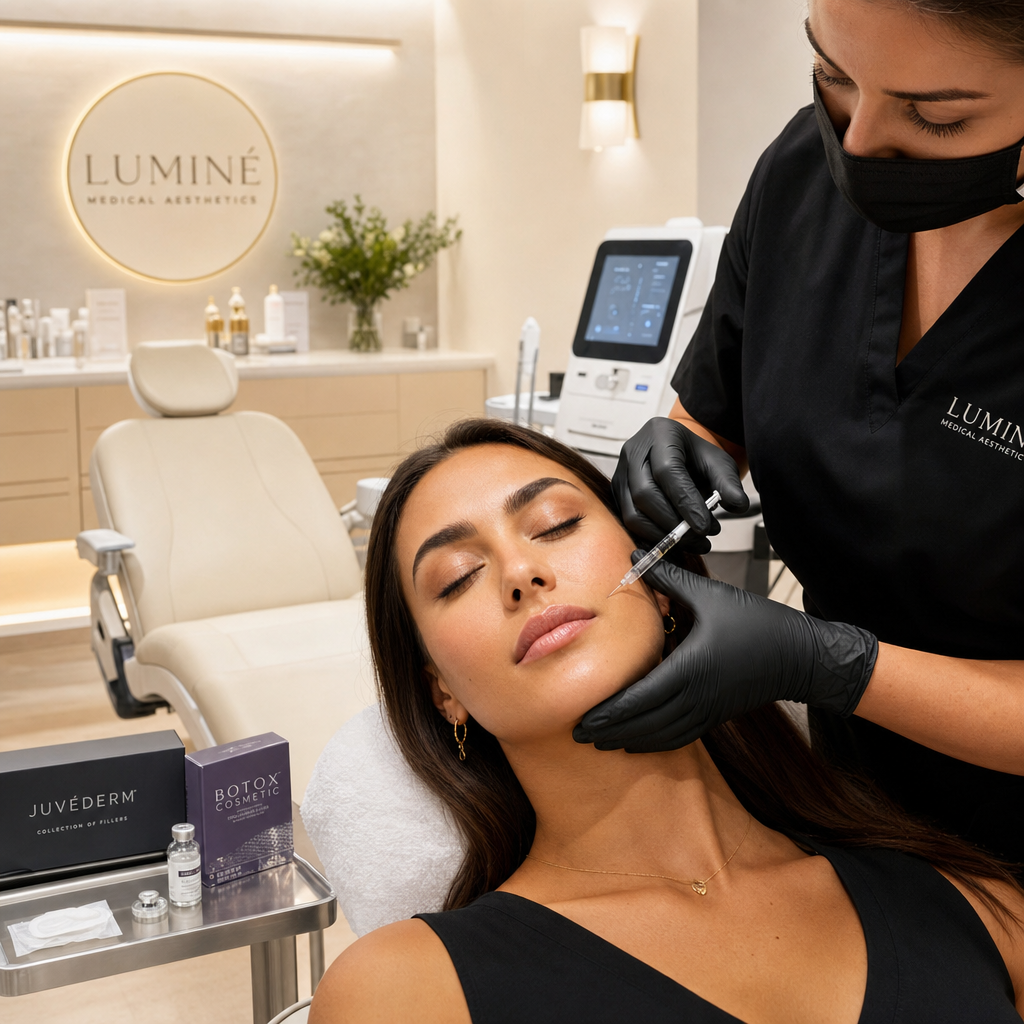
Most people who walk into a medical spa asking about cheek fillers in Aurora are not chasing a dramatic transformation. They want their face to look like it did five or ten years ago, just rested, defined, and balanced. The problem is that the internet is flooded with before-and-after photos that look either overdone or unrealistically perfect, making it hard to know what a skilled injector actually delivers. This guide cuts through that noise. It covers everything you need to know about cheek and jawline fillers, from how they work and what to expect, to how to choose the right clinic in the Greater Toronto Area.
Table of Contents
- What Are Cheek and Jawline Fillers?
- How Facial Volume Loss Changes Your Appearance
- Quick Takeaways
- The Anatomy Behind Non-Surgical Contouring
- Cheek Fillers: What to Expect Before, During, and After
- Jawline Fillers: Sculpting Definition Without Surgery
- Comparing Filler Approaches for Facial Contouring
- Why Aurora, Ontario Residents Choose Medispa Over Surgical Options
- How to Choose an Injector in the GTA
- Frequently Asked Questions
- References
What Are Cheek and Jawline Fillers?
Cheek and jawline fillers are injectable treatments that add volume, restore lost structure, and create definition in specific areas of the face. The most widely used products are hyaluronic acid (HA) fillers such as Juvederm Voluma and Restylane Lyft for the cheeks, and denser formulations like Juvederm Volux for the jawline. These are not permanent, which is a feature, not a limitation. Most HA fillers in the mid-face last 12 to 18 months, while jawline products can persist for up to 24 months depending on the individual’s metabolism and the product used.
Biostimulatory options like Sculptra, which Skin Excellence Medispa also offers, work differently. They stimulate your own collagen production over several months rather than adding immediate volume. Both approaches are legitimate, and the right choice depends on your anatomy, timeline, and goals.
How Facial Volume Loss Changes Your Appearance
Starting in your late twenties, the face loses fat, bone density, and collagen at a measurable rate. The mid-face deflates, making the nasolabial folds deepen. The cheeks descend, creating under-eye hollowness. The jawline softens as the chin pad shrinks and the jaw bone itself resorbs slightly. By the time most people notice these changes, the structural shift has already been happening for a decade.
The common mistake people make is attributing all of this to skin laxity and going straight for laser or tightening treatments. In practice, tightening loose skin on a deflated face just makes it look more hollow. Restoring volume first, then addressing texture and laxity second, consistently produces better outcomes.
Quick Takeaways
| Key Insight | Explanation |
|---|---|
| Cheek fillers restore structure, not just volume | Placing product at the zygomatic arch lifts the mid-face and reduces nasolabial fold depth simultaneously. |
| Jawline filler is not just for men | Women benefit significantly from jawline definition, particularly when jowling or a soft chin angle is the main concern. |
| Product selection matters as much as placement | Denser, more cohesive fillers belong in structural areas like the cheekbone and jaw. Softer fillers in these zones cause migration and puffiness. |
| HA fillers are reversible with hyaluronidase | This is a safety net unique to HA products. Biostimulators like Sculptra cannot be dissolved, which is why proper patient selection matters. |
| Combination treatments deliver superior results | Cheek fillers paired with Botox for masseter reduction and chin filler for projection create a cohesive contour that no single injection achieves alone. |
| Swelling is normal for 7 to 14 days post-treatment | Judging results before two weeks is inaccurate. The final outcome settles once edema resolves and the product integrates with tissue. |
| Injector experience is the single biggest variable | The same product placed 5mm in the wrong direction produces a completely different result. Anatomy training and hands-on volume matter more than product brand. |
The Anatomy Behind Non-Surgical Contouring
Facial contouring with fillers is not about adding product wherever someone looks flat. It is about understanding the facial fat compartments and the skeletal framework underneath them. The face has distinct deep and superficial fat pads, and they age at different rates. The deep medial cheek fat pad deflates earliest, which is why the inner cheek collapses before the outer cheek does.
The Role of the Zygomatic Arch in Cheek Projection
Injecting directly onto the periosteum of the zygomatic arch creates a lifting effect that no superficial injection can replicate. Deep bolus placement at the bone level anchors the product and allows it to support the overlying tissue rather than just sitting within it. This is the technique used for genuine mid-face lifting, not the superficial cheek filling that leads to the overdone, puffy appearance people worry about.
Jawline Architecture and Where Filler Belongs
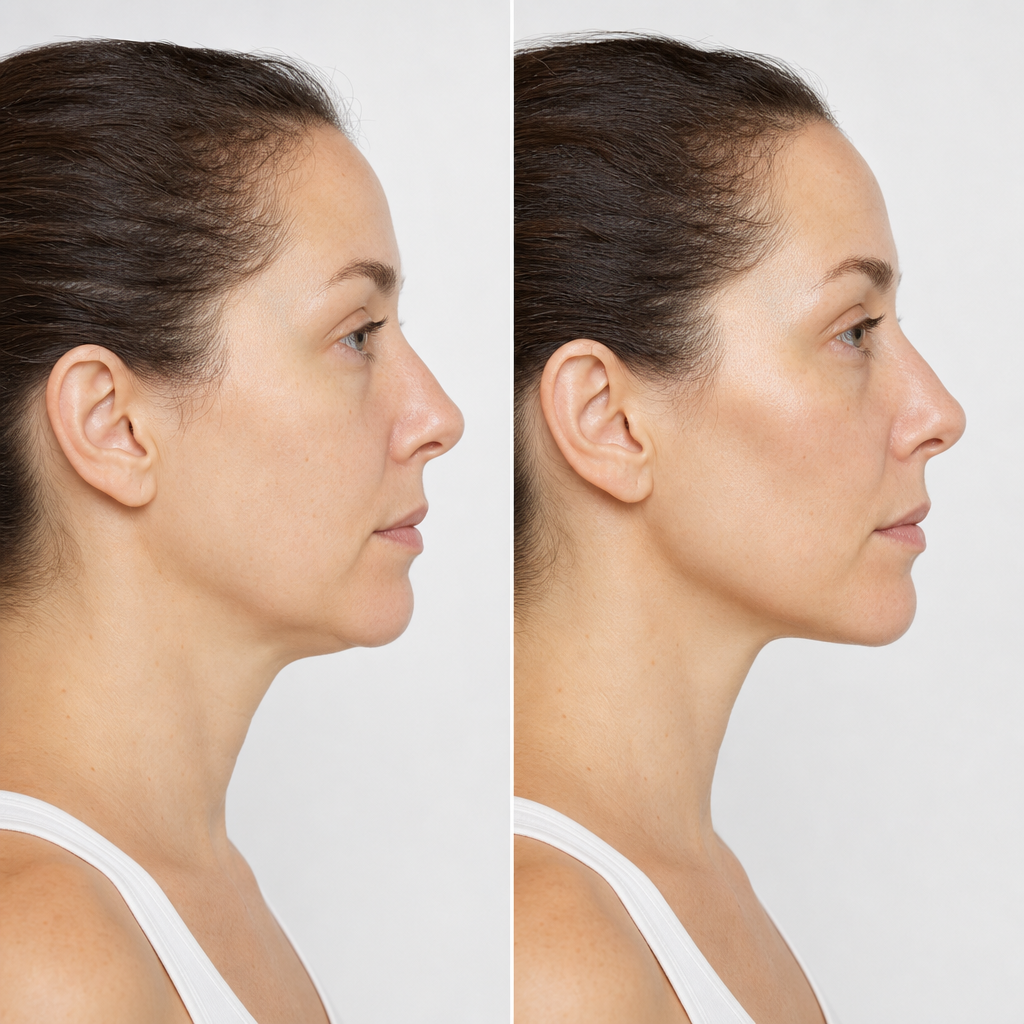
A defined jawline depends on three anatomical landmarks: the mandibular angle (the corner of the jaw), the body of the mandible (the lateral jawline), and the chin. Addressing only one of these while ignoring the others creates an unbalanced result. In practice, most clients need product along the full mandibular border to create a clean, shadow-casting edge that reads as defined from both the front and side profile.
Cheek Fillers: What to Expect Before, During, and After
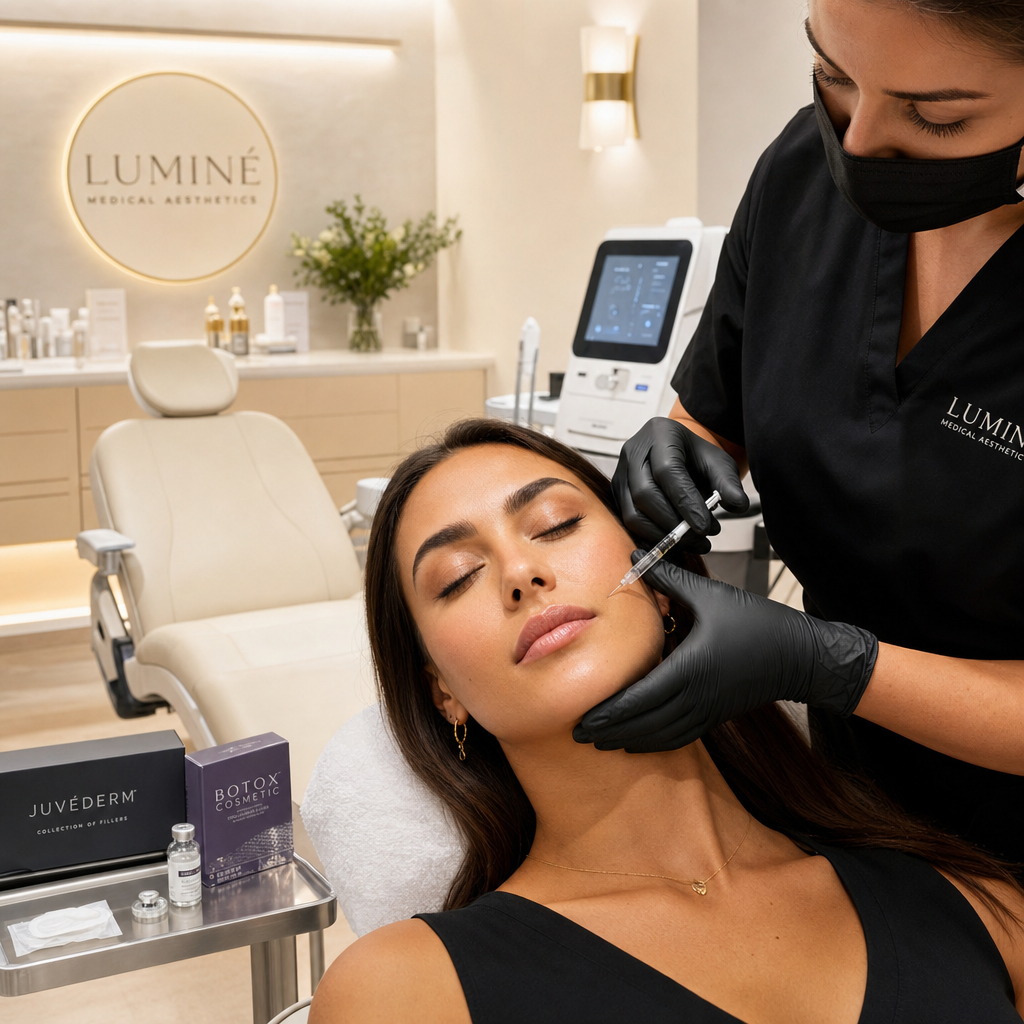
A proper cheek filler consultation takes 15 to 20 minutes and involves a standing assessment of your facial symmetry, skin quality, and existing volume. A practitioner worth seeing will photograph you from at least three angles and discuss realistic outcomes before touching a needle. Anyone who skips this step and goes straight to injecting is cutting corners on safety and results.
The Treatment Itself
Most cheek filler appointments take 30 to 45 minutes from topical numbing to completion. Products like Juvederm Voluma contain lidocaine, which makes the injection more comfortable as the treatment progresses. Cannulas versus needles is a real debate in the field. Cannulas reduce bruising risk and are often preferred in the mid-face because they can deposit product across a wider area with fewer entry points. Needles offer more precision at specific anatomical landmarks. Experienced injectors use both depending on the technique required.
Post-Treatment Reality
Expect moderate swelling for three to five days and up to two weeks of subtle residual puffiness. Bruising affects roughly 30 to 40 percent of patients and typically resolves within seven to ten days. Arnica supplements and avoiding alcohol and aspirin for 48 hours before treatment significantly reduce both. The final result is visible at the two-week mark, and most clients are genuinely surprised by how natural it looks once swelling resolves.
Pro tip: Schedule your cheek filler appointment at least three weeks before any major event. Two weeks gives swelling time to resolve, but having that extra buffer means any unexpected bruising is not a stressor.
Jawline Fillers: Sculpting Definition Without Surgery
Jawline filler has become one of the fastest-growing non-surgical procedures in the GTA, and for good reason. The results are immediate, the downtime is minimal, and the change in profile can be dramatic without looking done. Juvederm Volux is the most commonly used product for this area in Canada. It was specifically formulated for structural definition, with a high G-prime (resistance to deformation) that maintains shape under the mechanical stress of chewing and talking.
Masseter Reduction as a Complement to Jawline Filler
For clients with a wide or square lower face due to masseter hypertrophy (enlarged chewing muscles), Botox injections into the masseter muscle can slim the lower face significantly. This creates a different type of jawline definition than filler: instead of adding projection and structure along the mandibular border, it narrows the overall lower facial width. Many clients benefit from both, and combining them produces a result that no single treatment can achieve alone.
Chin Filler and Its Role in Jawline Proportion
A recessed chin makes even a well-defined jawline look incomplete. Adding 0.5 to 1ml of filler to the chin to increase forward projection and vertical height can completely change the profile. The data consistently shows that clients who address the chin alongside the jawline report higher satisfaction than those who treat the jawline in isolation. This is not upselling. It is basic facial proportion.
“Non-surgical facial contouring has fundamentally shifted what patients expect from aesthetic medicine. The combination of structural fillers and neuromodulators now achieves results that, five years ago, would have required surgical intervention.” – Dr. Arthur Swift, facial anatomy expert and international trainer in aesthetic medicine
Comparing Filler Approaches for Facial Contouring
Not all filler approaches are created equal. Here is a direct comparison of the three main options available for cheek and jawline contouring at a medical aesthetic clinic in the Greater Toronto Area.

| Approach | Best For | Key Considerations |
|---|---|---|
| Hyaluronic Acid Fillers (Voluma, Volux, Restylane Lyft) | Immediate structural definition, reversible correction, first-time filler clients | Lasts 12 to 24 months depending on area and product. Fully reversible with hyaluronidase. Results visible within days. |
| Sculptra (Poly-L-Lactic Acid) | Gradual volumization, collagen stimulation, clients wanting subtle long-term improvement | Requires 2 to 3 sessions spaced 4 to 6 weeks apart. Results build over 3 to 6 months. Lasts up to 2 years. Not reversible. |
| Combined HA Filler and Botox (Liquid Face Lift) | Full facial rebalancing including volume, contour, and muscle relaxation in one treatment plan | Most comprehensive non-surgical option. Addresses volume loss, definition, and dynamic lines simultaneously. Requires an experienced injector to sequence correctly. |
Pro tip: If you are undecided between Sculptra and HA fillers for cheeks, consider your timeline. If you have an event in the next six weeks and want visible results, HA fillers are the practical choice. Sculptra is a better long-term investment for gradual rejuvenation with no single appointment looking like a big change.
Why Aurora, Ontario Residents Choose Medispa Over Surgical Options
Surgical options like cheek implants and lower face lifts do exist, and for severe cases, they may still be the right answer. But the recovery timeline, general anaesthesia risks, cost, and permanence make them a significant commitment. Non-surgical contouring at a clinic like Skin Excellence Medispa in Aurora offers a fundamentally different proposition: gradual, adjustable, and low-commitment refinement with no downtime that interrupts your life for weeks.
The typical client at a GTA medispa is not avoiding surgery because they are afraid of commitment. They are choosing non-surgical options because the technology has advanced to the point where the results are genuinely competitive, particularly for mild to moderate volume loss and definition concerns. A 40-year-old in Aurora with deflated cheeks and a softening jawline does not need a surgical facelift. They need precise product placement by a skilled injector, and they can be back at work the next day.
Cost is also a real factor. A surgical mid-face lift in Ontario can cost $8,000 to $15,000 or more before anaesthesia and facility fees. A comprehensive non-surgical contouring treatment including cheek fillers, jawline filler, and masseter Botox typically falls in the $1,200 to $2,500 range and is repeatable on a schedule that fits most budgets.
How to Choose an Injector in the GTA
Aurora and the broader GTA have no shortage of clinics offering filler. The quality variance between them is enormous. Here is what actually separates a skilled injector from an average one, based on what matters for your safety and outcome.
Medical Training and Credentials
In Ontario, filler injections can legally be performed by physicians, registered nurses, and nurse practitioners. The credential itself is less important than the specific training in facial anatomy and injection technique. Ask directly: where did you train in facial anatomy? How many cheek and jawline procedures have you performed? A practitioner who cannot answer these questions clearly is not the right choice.
Consultation Quality as a Diagnostic Tool
A good consultation should make you feel informed, not pressured. Your injector should use anatomical language, show you what they are planning to do and why, and be honest about what fillers cannot fix. If a consultation feels like a sales pitch with a photo album of best-case results, trust that instinct. Skin Excellence Medispa operates on the principle that an educated client makes better decisions and achieves better outcomes, which is why consultations are thorough and treatment plans are personalized rather than templated.
Aftercare and Follow-Up Support
Reputable clinics schedule a two-week follow-up to assess results once swelling has resolved. This is not just good service. It is the clinically correct time to assess whether any touch-up is needed and to document outcomes. Clinics that do not offer this step are not doing their job completely.
Frequently Asked Questions
How long do cheek fillers last in Aurora?
Most cheek fillers using hyaluronic acid products like Juvederm Voluma last between 12 and 18 months. Some clients with slower metabolisms report longevity closer to 24 months. Factors like exercise frequency, sun exposure, and overall metabolic rate all influence how quickly the body processes HA. Annual maintenance appointments are the most common approach for maintaining results.
Does jawline filler hurt?
Most jawline filler products contain lidocaine, and topical numbing is applied before treatment. The sensation is a mild pressure and occasional brief sting at each injection point. Most clients rate the discomfort as a 2 to 3 out of 10. The jaw angle tends to be more sensitive than the mandibular body, and an experienced injector will work efficiently to minimize time and discomfort.
Can cheek fillers fix my nasolabial folds?
Restoring mid-face volume with cheek fillers at the zygomatic arch will reduce nasolabial fold depth by lifting the tissue above them. However, deep folds that are caused by both volume loss and true skin laxity may need a combination approach. Injecting filler directly into nasolabial folds is generally not recommended as a first step because it can look unnatural if the underlying volume deficit is not addressed first.
What is the difference between Sculptra and regular dermal fillers for cheeks?
Hyaluronic acid fillers add immediate volume that you can see within days. Sculptra, made from poly-L-lactic acid, stimulates your own collagen production over two to four months and requires multiple sessions. Sculptra lasts longer (up to two years) and produces a more gradual, natural-looking change. It is not reversible, which makes precise patient selection important. Many experienced injectors use Sculptra for clients who want subtle, ongoing improvement without looking like they had something done.
Is non-surgical jawline contouring worth it compared to surgery?
For mild to moderate jawline softening, non-surgical filler is absolutely worth it. The results are visible, the downtime is minimal, and the treatment can be adjusted or reversed. Surgical options become more relevant for severe jowling with significant skin laxity, where filler cannot compensate for the degree of structural change. A skilled injector will be honest about which category you fall into rather than recommending fillers for a problem that genuinely needs surgery.
How much does jawline filler cost in the GTA?
Jawline filler in the Greater Toronto Area typically ranges from $700 to $1,400 per syringe, and most clients need one to two syringes for a meaningful result. A full jawline treatment including the mandibular border and chin often uses two syringes total. Some clinics price by the area rather than per syringe, so it is worth asking during the consultation exactly what the quoted price includes.
How soon can I see results from cheek fillers?
You will see an immediate change on the day of treatment, but initial swelling distorts the result for the first week. The accurate result becomes visible at the two-week mark after all edema has resolved and the product has settled into the tissue. Avoid assessing your outcome in the first ten days. What looks over-filled on day three is almost always natural-looking by day fourteen.
Have you already had cheek or jawline fillers, or are you still deciding whether non-surgical contouring is right for you? Share your experience or questions below and our team at Skin Excellence Medispa is happy to help guide your decision.
References
- National Library of Medicine: peer-reviewed research on hyaluronic acid dermal fillers and facial anatomy
- Ontario Ministry of Health: regulated health professions and injectable treatment standards in Ontario
- Forbes Health: consumer reporting on non-surgical cosmetic procedure trends and costs in North America
- Statista: global and Canadian statistics on minimally invasive cosmetic procedures and market growth
- Health Canada: regulatory approval and safety classifications for dermal filler products sold in Canada