
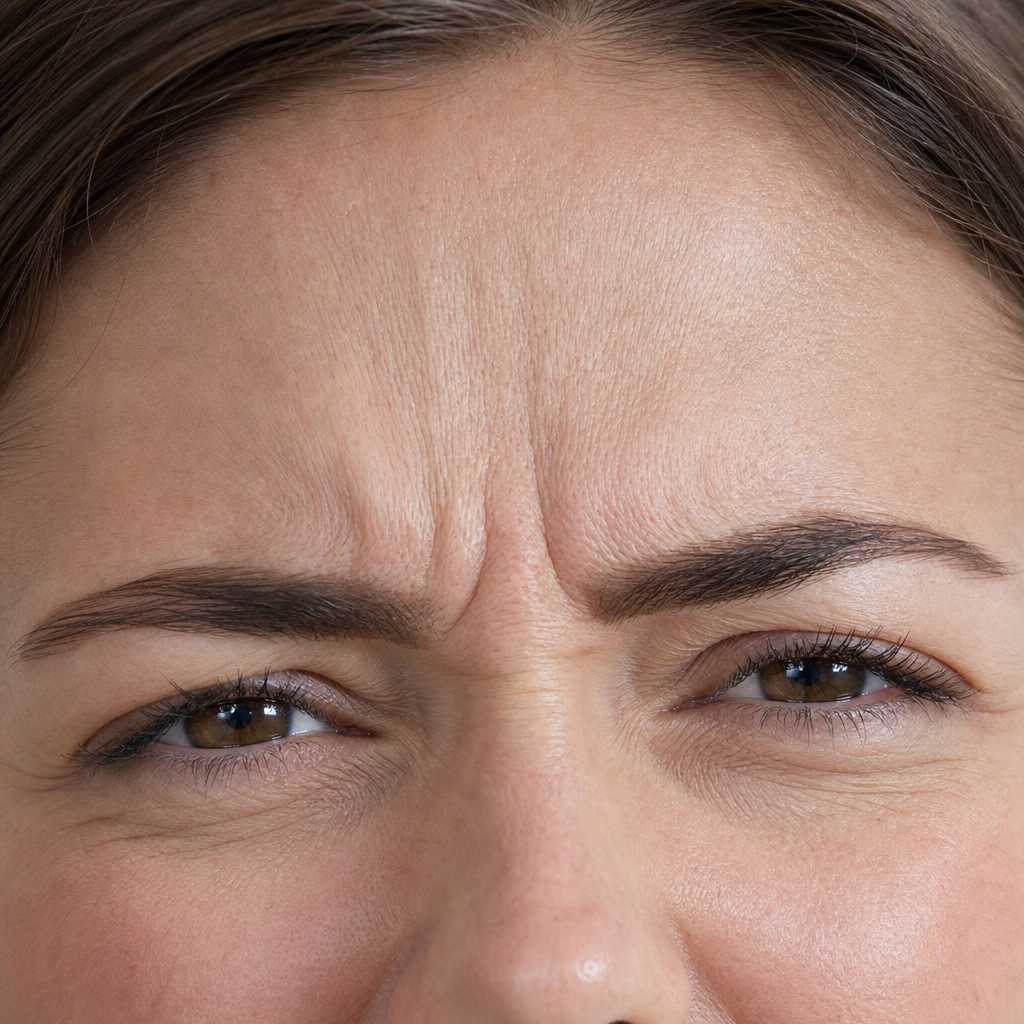
Most people come in having already Googled themselves into confusion. They know they want to look fresher, less tired, or more defined, but the line between dermal fillers Aurora and Botox feels blurry. Here is the truth: these two treatments work on completely different mechanisms, and choosing the wrong one for your specific concern will not just underdeliver, it will waste your money. According to the American Society of Plastic Surgeons, over 9 million botulinum toxin procedures and 4.4 million soft tissue filler procedures were performed in the United States in a single recent year. The demand is enormous, but so is the misunderstanding.
Table of Contents
- How Botox and Fillers Actually Work
- Quick Takeaways
- Matching Treatment to Your Skin Concern
- Botox vs. Fillers: Side-by-Side Comparison
- What to Expect at Skin Excellence Medispa in Aurora
- Common Mistakes Patients Make When Choosing Between the Two
- Combining Botox and Fillers: When Both Make Sense
- Frequently Asked Questions
- References
How Botox and Fillers Actually Work
Botox (botulinum toxin type A) is a neuromodulator. It temporarily interrupts the signal between a nerve and the muscle it controls. The result is a relaxed muscle that can no longer contract with full force, which softens the wrinkles that repeated facial expressions create over time. These are called dynamic wrinkles, and they include forehead lines, frown lines between the brows (the “11s”), and crow’s feet around the eyes.
Dermal fillers work differently. They are injectable gels, most commonly made from hyaluronic acid (HA), that physically add volume beneath the skin. They do not stop muscle movement. Instead, they restore structure, fill hollows, define contours, and smooth areas where skin has lost its natural cushion. Cheek augmentation, lip enhancement, under-eye hollows, and nasolabial folds are classic filler territory.
In practice, the single most important question a practitioner asks before recommending either treatment is this: is this line or hollow caused by movement, or by volume loss? The answer determines everything about which product is appropriate and where it gets placed.
Quick Takeaways
| Key Insight | Explanation |
|---|---|
| Botox targets dynamic wrinkles | Lines caused by repeated muscle movement, like forehead creases and crow’s feet, respond to Botox, not fillers. |
| Fillers restore lost volume | Hollow cheeks, thinning lips, and deep nasolabial folds are structural problems best solved with hyaluronic acid filler. |
| Results timelines differ significantly | Botox takes 3 to 7 days to show full effect; fillers produce visible results almost immediately after injection. |
| Duration varies by product and area | Botox typically lasts 3 to 4 months; fillers can last 6 to 18 months depending on product density and placement. |
| Hyaluronic acid fillers are reversible | HA fillers can be dissolved with hyaluronidase if a result is unsatisfactory. Botox cannot be reversed, only waited out. |
| Placement expertise matters more than product | The same syringe of filler in the wrong hands produces a different outcome than in experienced hands. Provider skill is the variable. |
| Most patients benefit from both over time | Botox and fillers address different aging mechanisms, so a complete treatment plan often incorporates both as needs evolve. |
Understanding these distinctions is the foundation for any honest conversation about Botox vs fillers. The categories are not interchangeable, and treating them as such is the most common error both patients and undertrained injectors make.


Matching Treatment to Your Skin Concern
The clearest way to think about this is to map concerns to mechanisms. Wrinkles that disappear when your face is at rest are almost certainly static wrinkles from collagen loss or volume depletion, and fillers address those directly. Wrinkles that only appear when you smile, squint, or raise your eyebrows are dynamic, and Botox is the right tool.
Forehead Lines and Frown Lines
These are the textbook Botox indications. The frontalis muscle pulls the forehead upward repeatedly, every single day, eventually etching horizontal lines into the skin. The corrugator and procerus muscles create the vertical frown lines between the brows. Botox relaxes these specific muscles with precision, and results typically last between 3 and 4 months. Injecting filler here instead is not only ineffective but carries risks given the vascularity of the forehead region.
Under-Eye Hollows and Tear Troughs
This area causes more confusion than almost any other. People assume they look tired because they have wrinkles, when in most cases the problem is the shadow created by volume loss beneath the eye. A thin cannula delivering a small amount of HA filler into the tear trough lifts that hollow and eliminates the shadow. Botox would do nothing useful here and could worsen the appearance by further relaxing the orbicularis muscle.
Lip Lines and Lip Volume
Lip lines above the vermillion border (often called smoker’s lines, though sun damage causes them too) respond to a very small amount of Botox in the orbicularis oris muscle, which softens the lip curl that creates those lines. Lip volume and definition, however, are exclusively a filler concern. At Skin Excellence Medispa, practitioners frequently use both in the same appointment to address lines and volume together.
Cheek Volume and Jawline Definition
Cheek augmentation and jawline contouring are structural changes that require filler. There is no muscle to relax here. Hyaluronic acid fillers placed at the cheekbone create lift and definition, and denser fillers along the jaw create a sharper angle. Sculptra, a poly-L-lactic acid biostimulator available at Skin Excellence Medispa, goes even further by stimulating the body’s own collagen over several months for longer-lasting structural correction.
Botox vs. Fillers: Side-by-Side Comparison
When patients sit down for a consultation at a cosmetic injections Aurora clinic, they deserve a clear, jargon-free breakdown. The table below covers what the data and clinical practice consistently show about these two categories of treatment.
| Factor | Botox (Botulinum Toxin) | Dermal Fillers (Hyaluronic Acid) |
|---|---|---|
| Mechanism | Relaxes muscles by blocking nerve signals | Adds physical volume beneath the skin |
| Best for | Forehead lines, crow’s feet, frown lines, brow lifting, gummy smile | Cheeks, lips, nasolabial folds, tear troughs, jawline, temples |
| Onset of results | 3 to 7 days, full effect at 14 days | Immediate, with final result visible after swelling settles (2 to 7 days) |
| Duration | 3 to 4 months on average | 6 to 18 months depending on product and placement |
| Reversibility | Not reversible, results fade naturally | HA fillers reversible with hyaluronidase enzyme |
| Downtime | Minimal, small injection-site bumps resolve in hours | Possible bruising and swelling for 3 to 7 days |
| Typical starting cost (Aurora area) | Per unit pricing, treatments often $300 to $600 per area | Per syringe pricing, often $600 to $900+ per syringe |
Pro tip: If you are new to injectables and unsure where to start, Botox for a single area like the frown lines is a lower-commitment entry point. It wears off, it carries minimal downtime, and it gives you a clear sense of how your face responds to treatment before you consider filler volumes.

What to Expect at Skin Excellence Medispa in Aurora
Skin Excellence Medispa is a medical aesthetic clinic serving Aurora, Ontario, and the broader Greater Toronto Area. The clinic’s approach to both Botox and dermal fillers Aurora patients reflects what separates a medispa from a walk-in injection bar: every treatment starts with a clinical assessment of the face as a whole structure, not as a list of isolated complaints.
Practitioners assess skin quality, facial symmetry, underlying bone structure, fat pad position, and muscle movement patterns before recommending any product. This matters because the same volume of filler placed at slightly different depths or angles produces dramatically different results. A thorough consultation is not a sales conversation, it is a medical assessment.
Beyond Botox and fillers, Skin Excellence Medispa offers complementary treatments including micro-needling, PRP and PRF therapies, medical facials, and laser hair removal. These are relevant here because skin quality directly affects how well injectable results show. Patients with stronger collagen and better skin texture see more refined outcomes from the same amount of product.
“The goal of any injectable treatment should be to make someone look like a well-rested, healthy version of themselves, not to make them look like they had something done.” – A position consistently held by experienced aesthetic practitioners and supported by patient satisfaction research across medical aesthetics.
The clinic also offers Belkyra for submental fat reduction and Sculptra for biostimulation, which are worth asking about during consultations where volume restoration is a long-term goal rather than a single-session fix.
Common Mistakes Patients Make When Choosing Between the Two
A common mistake is assuming fillers will fix forehead lines because they seem more substantial as a product. Filler placed in a dynamic area like the forehead moves with the muscle and can create an unnatural, heavy appearance. The product is wrong for the job, regardless of brand or technique.
Another frequent error is over-treating one area while ignoring adjacent zones. Filling nasolabial folds heavily without addressing the midface volume loss that is pulling the cheek tissue downward and creating those folds in the first place produces results that look forced. The fold may soften, but the face still looks deflated. Treating the cheeks first often softens the nasolabial folds passively, with less product and a more natural outcome.
Pro tip: When comparing clinics in the Aurora or GTA area, ask specifically about the injector’s credential and training background, not just the brand of product they use. The same Juvederm syringe behaves very differently in the hands of a trained nurse injector versus someone with a weekend certification course.
The data on patient dissatisfaction with cosmetic injectables consistently points to two causes: the wrong treatment for the concern, and undertrained providers. Choosing a medispa with experienced medical practitioners, like Skin Excellence Medispa, mitigates both risks significantly.
Combining Botox and Fillers: When Both Make Sense
In practice, most patients over 35 who present with concerns about looking tired or aged benefit from both treatments, just in different areas and on a schedule that makes sense for their goals and budget. This is not upselling. It reflects the reality that aging involves both muscle hyperactivity and volume loss happening simultaneously.
The “Liquid Facelift” Approach
When Botox and fillers are combined strategically across the upper, mid, and lower face, the effect is often referred to as a liquid facelift. Botox relaxes the brow depressors to create a subtle brow lift, while filler in the temples and cheeks restores the inverted triangle of youth. Lower face filler along the jaw and chin counters jowling. The result is facial rejuvenation that reads as natural rather than treated.
Sequencing Treatments Correctly
When both are planned for the same appointment, most experienced injectors prefer to place filler first and assess the face, then add Botox. This is because filler changes the topography of the face slightly, which can affect the Botox targeting. Reversing the order works but requires the injector to account for the muscle movement that will change once Botox takes effect. Either approach is clinically valid. The important thing is that the injector has a coherent plan before the first needle goes in.
For patients interested in longer-term structural correction, combining Sculptra sessions with periodic Botox maintenance and smaller filler touch-ups often produces the most cohesive, natural-looking rejuvenation over a 12 to 24 month period.
Frequently Asked Questions
Can Botox and dermal fillers be done at the same appointment?
Yes, and this is common practice. Many patients address multiple concerns in a single session, which reduces total downtime. A skilled injector at a clinic like Skin Excellence Medispa will have a clear plan for which areas receive which product and in what order before the appointment begins.
How long do dermal fillers last in Aurora’s climate?
Climate does not significantly affect how long hyaluronic acid fillers last. Duration depends primarily on the product’s cross-linking density, the area injected, and your individual metabolism. Denser fillers placed in structural areas like the cheeks often last 12 to 18 months. Mobile areas like the lips metabolize filler faster, typically 6 to 9 months.
Is Botox or fillers more painful?
Both involve small needles, and both are manageable for most patients. Filler injections in sensitive areas like the lips or under-eyes can cause more momentary discomfort, and most filler products now contain lidocaine to reduce this. Botox injections are brief and typically described as a small pinch. Topical numbing cream is available at Skin Excellence Medispa for patients who prefer it.
What is the difference between dermal fillers and Sculptra?
Standard hyaluronic acid dermal fillers add immediate volume and are reversible. Sculptra is a poly-L-lactic acid biostimulator that works by triggering your body to produce its own collagen over several months. It does not add instant volume. The results build gradually and can last two years or more, making it better suited for patients who want progressive, long-term improvement rather than immediate change.
At what age should someone start considering Botox or fillers?
There is no single correct age. Some patients in their mid-twenties benefit from preventive Botox in high-movement areas before deep lines form. Others wait until their late thirties or forties when dynamic wrinkles and early volume loss both become visible. The right time is when a concern is bothering you and a qualified practitioner confirms the treatment will address it effectively.
Is there any reason to choose one clinic over another for cosmetic injections in Aurora?
Yes. The two most important factors are injector credentials and clinical oversight. Treatments delivered in a regulated medical setting with experienced practitioners carry a materially different safety and outcome profile than those offered in non-clinical environments. Skin Excellence Medispa operates as a medical aesthetic clinic, meaning treatments are performed under proper medical supervision, which matters for both safety and outcome quality.
If you have had experience with Botox or dermal fillers in the Aurora area, or if you are weighing your options before a first consultation, share what questions or hesitations you are working through below.
References
- American Society of Plastic Surgeons: annual statistics on minimally invasive cosmetic procedures including botulinum toxin and soft tissue fillers
- U.S. Food and Drug Administration: approved uses and safety information for botulinum toxin and dermal filler products
- Statista: global and North American market data on non-surgical cosmetic treatment demand and growth trends
- Forbes: consumer and industry reporting on the medical aesthetics market, patient preferences, and injectable treatment trends
- National Institutes of Health PubMed: peer-reviewed clinical research on hyaluronic acid filler safety, longevity, and patient outcomes