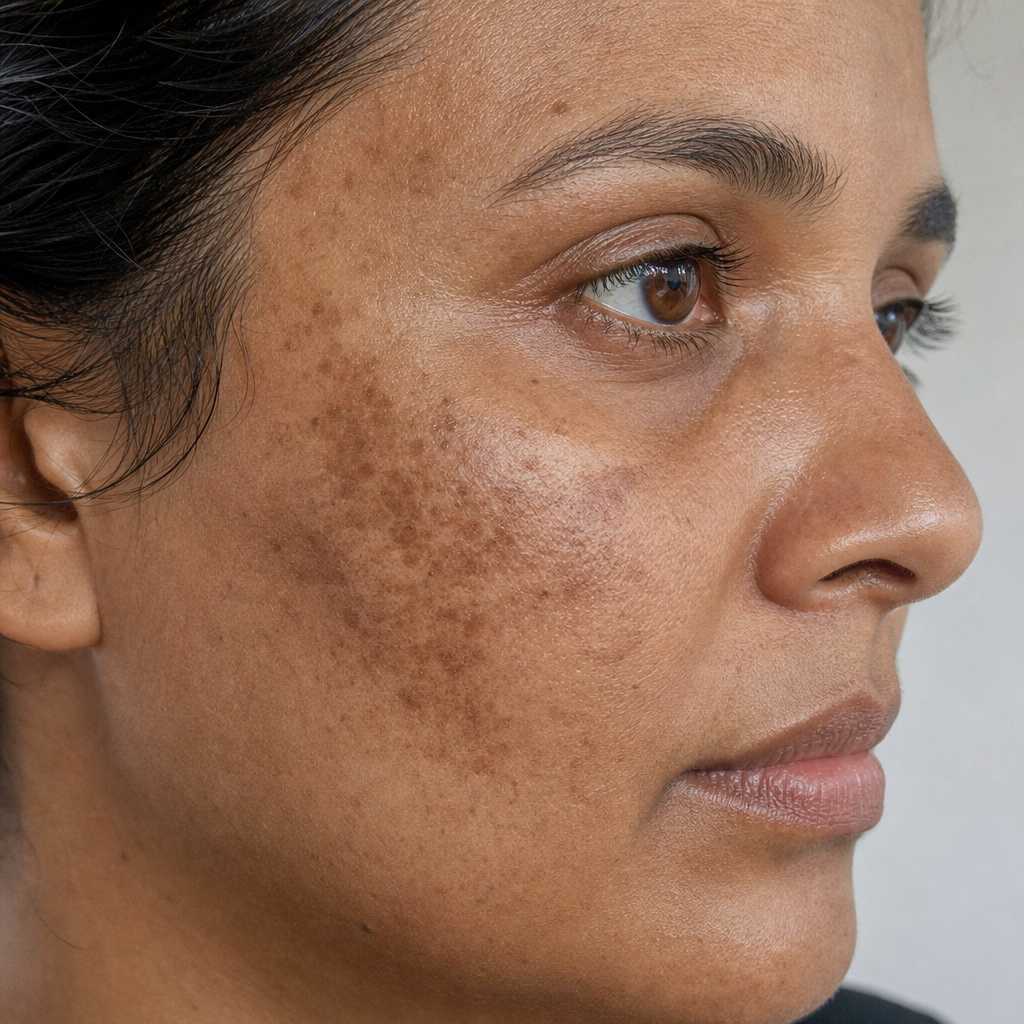
If you spent any real time outdoors this summer in the GTA, your skin probably shows it. Dark spots, uneven tone, and patches of discoloration are not just cosmetic annoyances. They are cumulative evidence of UV damage that compounds year over year. Many Aurora residents notice these changes in their 30s and 40s and assume they are permanent. They are not. Hyperpigmentation treatment in Aurora has advanced significantly, and the right medispa approach can reverse years of sun damage with precision that drugstore products simply cannot match.
Table of Contents
- Quick Takeaways
- What Hyperpigmentation Actually Is and Why Summer Makes It Worse
- Sun Damage in the GTA: Why Aurora Residents Are Particularly Exposed
- The Top Medispa Treatments for Sun Damage and Hyperpigmentation
- Treatment Comparison: Which Option Is Right for Your Skin
- What Not to Do: Common Mistakes That Make Hyperpigmentation Worse
- Skin Brightening in Aurora Ontario: Building a Multi-Step Plan
- Frequently Asked Questions
- References
Quick Takeaways
| Key Insight | Explanation |
|---|---|
| SPF alone will not clear existing dark spots | Sunscreen prevents new damage but does nothing to reverse melanin already deposited in the skin. Active treatment is required for existing pigmentation. |
| Laser and IPL work differently on different skin tones | Fitzpatrick skin type matters enormously. A treatment effective on fair skin can worsen pigmentation on deeper tones if not calibrated correctly. |
| PRP and micro-needling accelerate pigment clearance from within | These treatments stimulate collagen and cellular turnover, helping the skin shed pigmented cells faster and more evenly. |
| Medical-grade chemical peels outperform over-the-counter versions | Clinic-grade peels use higher concentrations of active acids that penetrate to the dermal layer, where sun damage actually originates. |
| Post-summer is the ideal treatment window | Late August through October offers lower UV intensity, making it the safest and most effective time to begin pigmentation correction in the GTA. |
| One session rarely delivers full results | Most clients at Skin Excellence Medispa see optimal pigment correction after a series of 3 to 6 sessions, depending on depth of damage. |
| Combination therapy produces faster, more lasting results | Pairing a resurfacing treatment with a brightening medical facial significantly outperforms either approach used alone, per clinical observation. |
What Hyperpigmentation Actually Is and Why Summer Makes It Worse
Hyperpigmentation is the result of melanocytes, the pigment-producing cells in your skin, overreacting to a trigger. That trigger is most commonly ultraviolet radiation. When UV rays penetrate the skin, the body attempts to protect itself by producing extra melanin. In a healthy, young skin environment, that melanin disperses evenly and fades. In skin that has accumulated years of damage, the distribution becomes irregular. The result is dark patches, sun spots, and uneven skin tone.
There are three primary types of hyperpigmentation relevant to medispa clients. Solar lentigines, commonly called sun spots or age spots, are flat, darkened areas caused by chronic UV exposure. Post-inflammatory hyperpigmentation (PIH) occurs after skin trauma, including acne, and is often worsened by sun exposure. Melasma is a hormonally influenced form of pigmentation that UV radiation dramatically worsens. Each type responds differently to treatment, which is why a proper skin assessment is non-negotiable before any procedure.
Summer accelerates all three types. Extended daylight hours in Ontario, combined with outdoor activities around Lake Simcoe or along the Nokiidaa Trail, means cumulative UV exposure is significantly higher from May through August. Most people underestimate how much UVA radiation penetrates through clouds and car windows, which means damage continues even on overcast days.


Sun Damage in the GTA: Why Aurora Residents Are Particularly Exposed
Aurora sits in York Region, one of the fastest-growing communities in the Greater Toronto Area. Residents here tend to spend significant time outdoors, whether commuting, participating in local sports leagues, or enjoying the extensive trail systems through the town. This is not a criticism, it is a lifestyle reality that has direct consequences for skin health.
According to Health Canada, UV radiation is the primary environmental cause of skin aging and a leading driver of skin cancer in Canada. The UV index in Ontario regularly reaches 8 or higher between June and August, which is classified as very high on the World Health Organization scale. At that level, unprotected skin can begin to burn in as little as 15 minutes.
“Cumulative sun exposure is the single greatest modifiable risk factor for both skin cancer and cosmetic skin aging in Canadian adults.” – Health Canada, Sun Safety Guidelines
The issue for GTA residents is that sun damage is not just a summer problem. UVA rays, which drive deep skin aging and pigmentation changes, are present year-round and penetrate glass. A client who works near a south-facing window or commutes by car is receiving meaningful UVA exposure throughout the entire year. By the time visible dark spots appear, the underlying cellular damage has typically been building for years.
Skin brightening in Aurora, Ontario is not a luxury decision for this population. It is a meaningful response to a real and measurable environmental exposure pattern. Clinics that understand this context will design treatment plans accordingly, rather than applying a one-size-fits-all protocol.
The Top Medispa Treatments for Sun Damage and Hyperpigmentation
Not every treatment that claims to address pigmentation actually delivers results for sun-damaged skin. Below are the options that have demonstrated consistent, evidence-supported outcomes in a clinical medispa setting. These are treatments available at Skin Excellence Medispa in Aurora, and each has a specific mechanism that targets the biology of hyperpigmentation directly.
Laser Skin Resurfacing and IPL Photofacial
Intense Pulsed Light (IPL) therapy uses broad-spectrum light energy to target melanin in the skin. The pigmented cells absorb the light, heat up, and are naturally cleared by the body over the following days and weeks. IPL is particularly effective for solar lentigines and diffuse redness caused by sun damage. It is best suited for lighter Fitzpatrick skin types (I through III) and is most effective when administered in a series of treatments spaced three to four weeks apart.
For clients with deeper or more stubborn pigmentation, fractional laser resurfacing offers more precise control. It creates micro-channels in the skin that stimulate rapid cellular turnover while directly targeting pigmented areas. The recovery period is longer than IPL, typically three to seven days of redness and peeling, but the results for resistant dark spots are significantly more pronounced.
Medical-Grade Chemical Peels
A properly formulated chemical peel dissolves the bonds holding pigmented, damaged surface cells together, accelerating their shedding and revealing newer, more evenly toned skin beneath. Clinic-grade peels use compounds such as trichloroacetic acid (TCA), mandelic acid, or a combination of salicylic and lactic acids at concentrations that are simply not available in retail products.
In practice, a series of three to four peels spaced three weeks apart produces the most reliable results for sun damage correction in our client base. The depth of the peel is calibrated to the client’s skin type and tolerance, which is why a consultation is required before treatment. Peels also work synergistically with brightening serums applied in the post-treatment period, dramatically amplifying the end result.
Micro-Needling with PRP or PRF
Micro-needling creates controlled micro-injuries in the skin that stimulate the body’s natural repair cascade, including accelerated cell turnover. When combined with Platelet-Rich Plasma (PRP) or Platelet-Rich Fibrin (PRF) drawn from the client’s own blood, the treatment introduces concentrated growth factors that accelerate healing and collagen production. The result is not just pigment improvement but a comprehensive texture and tone correction.
This combination is particularly valuable for clients who also have fine lines, large pores, or post-acne scarring alongside their sun damage. It addresses multiple concerns simultaneously and is suitable for a wider range of skin tones than laser-based options.
Pro tip: If you are booking a micro-needling with PRP session for pigmentation, plan for at least three days of social downtime. The skin will appear red and may feel tight. This is the healing response working, not a sign of a problem.
Medical Facials with Brightening Actives
A well-designed medical facial is not the same as a spa facial. At Skin Excellence Medispa, medical facials for hyperpigmentation incorporate active ingredients such as vitamin C, kojic acid, niacinamide, and retinol delivered under professional conditions. These ingredients disrupt the melanin production pathway at different points, making them more effective when layered than when used individually.
Medical facials also serve an important function as maintenance treatments between more intensive sessions. Clients who receive a brightening facial monthly in the periods between chemical peels or laser treatments maintain their results significantly longer than those who use the more intensive treatments alone.

Treatment Comparison: Which Option Is Right for Your Skin
Choosing a hyperpigmentation treatment without understanding the differences between options is how clients end up disappointed. The following table reflects clinical experience with these treatments in a GTA medispa context, not manufacturer marketing claims.
| Treatment | Best For | Key Considerations |
|---|---|---|
| IPL Photofacial | Solar lentigines, diffuse sun damage, fair to medium skin tones (Fitzpatrick I-III) | Not recommended for active tans or darker skin tones without specific device calibration. Requires sun avoidance post-treatment. Series of 3-5 sessions typical. |
| Medical Chemical Peel (TCA or Mandelic) | Moderate to significant sun damage, post-inflammatory hyperpigmentation, melasma support | Peeling lasts 3-7 days. Multiple skin tones can be treated safely with appropriate acid selection. Best results in fall and winter months. |
| Micro-Needling with PRP/PRF | Combination concerns including pigmentation, texture, fine lines, and scarring. Suitable for Fitzpatrick I-VI with correct needle depth settings. | Higher upfront cost per session but addresses multiple concerns simultaneously. 3-6 sessions recommended for pigmentation correction. Results build gradually over 4-6 weeks post-treatment. |
Pro tip: Do not arrive at a consultation with a fresh tan. A tan is active UV damage in progress, and treating pigmented skin that is still being stimulated by UV exposure produces inconsistent results. Book your consultation for September or October after summer sun exposure has wound down.
What Not to Do: Common Mistakes That Make Hyperpigmentation Worse
A common mistake is purchasing high-concentration brightening products from international e-commerce sites and self-treating without a proper skin assessment. Hydroquinone, for example, is a potent tyrosinase inhibitor that can be effective for melasma but must be used under supervision. Misuse causes ochronosis, a paradoxical darkening of the skin that is extremely difficult to reverse.
Another error is skipping SPF between professional treatments. Any client undergoing a resurfacing or pigmentation correction program who is not applying a broad-spectrum SPF 50 daily is actively undermining their own results. The treated skin is more vulnerable to UV stimulation of melanocytes. A single unprotected day outdoors can re-trigger the pigmentation cycle that weeks of treatment have been working to calm.
The data consistently shows that clients who complete a full treatment series but abandon their home care protocol within three months see significant pigmentation recurrence within six months. Maintenance is not optional. It is the difference between a temporary improvement and a lasting result.
Skin Brightening in Aurora Ontario: Building a Multi-Step Plan
Skin brightening in Aurora, Ontario is most effective when approached as a phased plan rather than a single-session fix. The most successful outcomes at Skin Excellence Medispa follow a consistent structure: an initial consultation to assess Fitzpatrick type and damage depth, a primary treatment series, and a maintenance phase that includes both clinic visits and a personalized home care routine.
Phase one is assessment and preparation. This involves a thorough skin analysis, discussion of goals, and often a period of skin preparation using prescribed topicals such as vitamin A and C serums. Preparing the skin for treatment improves the efficacy of the procedure and reduces the risk of post-treatment irritation.
Phase two is active treatment. Depending on the assessment, this may be IPL, peels, micro-needling with PRP, or a combination. Sessions are scheduled at intervals that allow the skin to complete its healing cycle between appointments, which is typically three to four weeks. Rushing this schedule does not accelerate results; it increases the risk of complications.
Phase three is maintenance. This is where the real long-term investment pays off. Monthly medical facials, a consistent SPF routine, and seasonal top-up treatments keep pigmentation from rebuilding. Clients in Aurora who maintain this phase report sustained skin clarity for years, not just weeks.
For those who have been referred to Skin Excellence Medispa by a friend or family member, the experience of people they trust is one of the best indicators of what to expect. Ask the referring person specifically which treatments they received and how many sessions it took. That real-world data is more useful than any general estimate.
Frequently Asked Questions
How long does it take to see results from hyperpigmentation treatment in Aurora?
Results vary by treatment type and the depth of damage. IPL clients often see darkened spots temporarily surface and flake off within 7 to 14 days after a session. Chemical peel results become visible after the peeling phase, usually within 7 to 10 days. Micro-needling with PRP produces more gradual improvement over 4 to 6 weeks per session as the skin’s own repair processes complete. A realistic expectation for meaningful correction of moderate sun damage is 8 to 16 weeks from the start of a series.
Is it safe to treat hyperpigmentation on darker skin tones at a GTA medispa?
Yes, but the choice of treatment is critical. IPL and aggressive laser treatments carry a higher risk of post-inflammatory hyperpigmentation on deeper Fitzpatrick skin types (IV through VI) if not carefully calibrated. Mandelic acid peels and micro-needling with PRP are generally safer options across a wider range of skin tones. A thorough skin assessment before booking any treatment is non-negotiable for clients with medium to deep skin tones.
Can I treat sun damage in the summer or should I wait?
You should wait for most intensive treatments. Active sun exposure significantly increases the risk of post-treatment complications, including rebound pigmentation. The post-summer window from September through November is the optimal time to begin a treatment series. You can use the summer months to start SPF discipline and book your consultation so you are ready to begin treatment as UV levels drop.
What is the difference between a medispa treatment and what I can buy at a pharmacy for dark spots?
The difference is concentration, penetration depth, and mechanism. Retail brightening products typically contain low concentrations of active ingredients that work only on the surface layer of the skin. Medical-grade treatments use clinically validated actives at concentrations that penetrate to the dermis, where sun damage actually originates. In practice, the best over-the-counter brightening serum will produce a fraction of the result of a single properly administered chemical peel, and that fraction will take considerably longer to appear.
How do I maintain my skin brightening results after finishing a treatment series?
Daily broad-spectrum SPF 50 is the single most important maintenance step. Beyond that, a monthly medical facial with brightening actives helps prevent new pigment from consolidating. Many clients at Skin Excellence Medispa in Aurora schedule a seasonal touch-up treatment each fall to address any summer accumulation. A prescribed home care routine using vitamin C serum in the morning and a retinoid at night also significantly extends the duration of results between clinic visits.
Does Belkyra or Sculptra help with hyperpigmentation?
No. Belkyra is an injectable that destroys fat cells under the chin, and Sculptra is a collagen-stimulating injectable used for volume restoration. Neither treatment targets melanin production or pigmentation. Hyperpigmentation requires treatments that address the melanocyte pathway, surface cell turnover, or both. If you were referred to Skin Excellence Medispa for injectable treatments and are also concerned about pigmentation, discuss both goals during your consultation so a combined plan can be built appropriately.
If you have had a hyperpigmentation treatment in Aurora or anywhere in the GTA, share what worked for you in the comments. Your real experience is exactly what other readers are looking for when making their own decision.
We would love your feedback and any insights you would share with others. What perspective would you add?
References
- Health Canada official information on UV radiation and skin safety guidelines for Canadians
- World Health Organization global standards and UV index classifications for sun safety
- American Academy of Dermatology clinical guidance on hyperpigmentation causes and treatment approaches
- National Institutes of Health published research on melanogenesis, photodamage, and topical depigmenting agents
- Statista market data on the growth of medical aesthetic treatments and skin care industry trends in North America