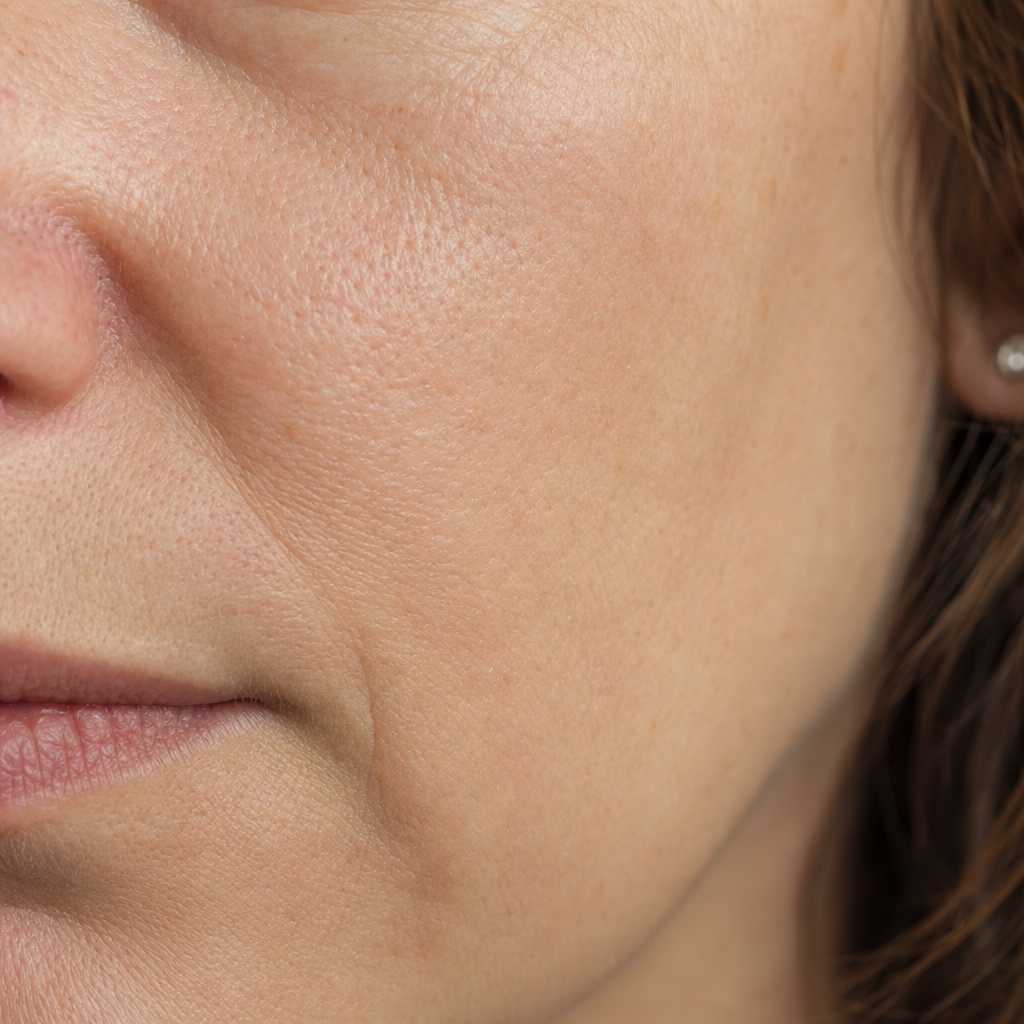
Your skin in your 40s is not the same organ it was a decade ago, and that is not an exaggeration. Skin changes in your 40s happen at a biological level, driven by falling estrogen, slowing cell turnover, and a measurable drop in collagen production that research puts at roughly 1 percent per year after your mid-20s. By the time you are in your 40s, that loss has accumulated. Lines that used to disappear overnight are staying. Skin that used to snap back after a long week no longer does. This article explains exactly what is happening beneath the surface and which treatments have real clinical evidence behind them, including what is available right here in Aurora and the GTA.
Table of Contents
- Quick Takeaways
- What Actually Changes in Your Skin in Your 40s
- Collagen Loss: Why It Matters More Than You Think
- The Treatments That Actually Help in Your 40s
- Comparing Treatment Approaches for 40s Skin
- What Does Not Work and Why
- Building a Treatment Plan That Fits Your 40s Skin
- Frequently Asked Questions
- References
Quick Takeaways
| Key Insight | Explanation |
|---|---|
| Collagen drops 1% per year from your mid-20s | By your 40s, cumulative collagen loss visibly thins the skin, deepens folds, and reduces elasticity in ways that skincare products alone cannot reverse. |
| Estrogen decline accelerates skin aging in your 40s | Perimenopause typically begins in the early-to-mid 40s, and the resulting estrogen drop significantly speeds up skin thinning and moisture loss. |
| Botox in your 40s is preventive as well as corrective | Treating dynamic wrinkles early prevents them from setting into deep static lines. The goal is maintenance, not transformation. |
| Sculptra stimulates collagen rather than filling space | Unlike hyaluronic acid fillers, Sculptra (poly-L-lactic acid) triggers your own collagen production over several months, making it particularly effective for volume loss in the 40s. |
| Micro-needling with PRP targets texture and tone together | Combining micro-needling with platelet-rich plasma accelerates collagen remodeling and addresses both surface texture and deeper structural thinning in a single treatment. |
| Sun damage from earlier decades surfaces in your 40s | Hyperpigmentation, uneven tone, and dark spots that appear in your 40s are largely the result of UV exposure accumulated years before. Medical-grade peels and laser treatments address this effectively. |
| A combination approach outperforms single treatments | The most consistent results in your 40s come from pairing a collagen stimulator, a neuromodulator, and a resurfacing treatment rather than relying on any one modality. |
What Actually Changes in Your Skin in Your 40s
There are several distinct biological processes happening simultaneously in your 40s, and understanding them helps explain why the right treatment for one person may be entirely wrong for another.
Cell turnover slows down significantly. In your 20s, skin cells renew approximately every 28 days. By your 40s, that cycle has stretched to 45-60 days. The practical result is dull, uneven skin tone, a rougher surface texture, and a complexion that looks tired even when you are not.
At the same time, the skin’s structural scaffolding is changing. Collagen and elastin fibers that keep skin firm and resilient become thinner and less organized. The fat pads beneath the skin, which give the face its youthful volume, begin to shift downward and deflate. This produces the hollowing under the eyes, the flattening of the cheeks, and the deepening of the nasolabial folds that most people in their 40s first notice in photos before they see it in the mirror.
Hormonal Changes That Drive Skin Aging in the 40s
For women especially, the 40s mark the beginning of perimenopause, a transition that can last several years. Estrogen plays a direct role in collagen synthesis, skin hydration, and the thickness of the dermis. As estrogen levels begin to fluctuate and decline, the skin loses moisture retention capacity quickly. Many women report that their skin seemingly changed overnight, and in hormonal terms, it essentially did.
Men are not exempt. Testosterone decline in men over 40 also affects skin thickness and healing capacity, though the timeline is more gradual.


The Eye Area Ages Faster Than the Rest of the Face
The skin around the eyes is the thinnest on the face, and it shows age first and most visibly. Crow’s feet, under-eye hollowing, and upper eyelid laxity are among the earliest and most consistent complaints from clients in their 40s. This is also the area where neuromodulators like Botox deliver some of their most noticeable results.
Pro tip: If you are in your early 40s and have not yet started preventive Botox in the crow’s feet and forehead, starting now will require less product and achieve better long-term results than waiting until those lines are deeply etched at rest.
Collagen Loss: Why It Matters More Than You Think
Collagen is not just the ingredient in your serum. It is a structural protein that makes up roughly 75 percent of your skin’s dry weight. When practitioners at clinics like Skin Excellence Medispa in Aurora talk about collagen loss in the GTA population, they are not speaking abstractly. They are describing a measurable structural deficit that no topical product can adequately address once it has progressed.
According to research published through the National Institutes of Health, women lose approximately 30 percent of their skin’s collagen in the first five years after menopause begins, with accelerated loss continuing for the following two decades. In practice, this means that a woman entering her mid-40s who is also entering perimenopause is facing a compounding loss that requires more than a good moisturizer.
“Collagen loss after menopause is not a cosmetic inconvenience. It is a structural change that affects wound healing, skin barrier function, and long-term dermal integrity.” Dr. Barbara Gilchrest, Harvard Medical School dermatologist, cited in discussions of photoaging and hormonal skin changes.
The GTA climate adds an additional variable. Cold, dry winters pull moisture from the skin, and seasonal temperature swings stress the barrier function repeatedly throughout the year. Clients who visit Skin Excellence Medispa from communities across Aurora, Newmarket, Richmond Hill, and Barrie often come in after winter with noticeably more dehydrated, dull skin than they had in autumn.
The good news is that collagen production can be stimulated. Several well-studied treatments trigger the fibroblasts responsible for collagen synthesis, and when done consistently, these treatments produce measurable improvement in skin density and firmness over time.
The Treatments That Actually Help in Your 40s
Not every treatment delivers equal value at every age. In your 40s, the priority shifts from purely preventing lines to also restoring lost volume, improving skin quality, and addressing the texture and pigmentation changes that have been accumulating for years.
Botox and Neuromodulators
Botox remains one of the most evidence-backed treatments for dynamic wrinkles, which are the lines created by repeated muscle movement. In your 40s, many of those lines are transitioning from dynamic (only visible when you move) to static (visible at rest). Neuromodulators like Botox, Dysport, and Xeomin work by relaxing the muscles that create those movements, preventing further deepening while softening existing lines.
In practice, clients in their 40s typically need slightly more product than those in their 30s, and results may not last quite as long as they once did. A realistic expectation is three to four months of results, with maintenance appointments keeping lines from re-deepening between sessions.
Dermal Fillers for Volume Restoration
Dermal fillers using hyaluronic acid address the volume loss that makes the 40s face look deflated rather than simply lined. The cheeks, temples, and under-eye area are the most common treatment zones for clients in this age group. Properly placed filler in the mid-face can lift the lower face passively, reducing the appearance of jowling without touching the jawline directly.
The key distinction here is placement. A common mistake is treating symptoms at the site where they appear rather than addressing the root cause further up the face. For example, deep nasolabial folds in a 45-year-old are rarely solved by filling the fold itself. Restoring cheek volume lifts the fold more naturally and lasts longer.
Sculptra for Collagen Stimulation
Sculptra is poly-L-lactic acid, and it works differently from hyaluronic acid fillers. Rather than adding volume directly, it stimulates your own fibroblasts to produce new collagen over a period of three to six months. The results are subtler in the short term but notably more natural-looking over time, and they last significantly longer, typically two years or more.
For clients in their 40s dealing with diffuse volume loss and skin laxity rather than specific deep lines, Sculptra is often the better long-term investment. Skin Excellence Medispa offers Sculptra as part of a broader collagen-stimulation strategy, often paired with other treatments for compounded results.
Micro-Needling and PRP/PRF
Micro-needling creates controlled micro-injuries in the skin that trigger the body’s natural healing response, including new collagen and elastin production. When combined with PRP (platelet-rich plasma) or PRF (platelet-rich fibrin) derived from the patient’s own blood, the healing response is amplified significantly.
In your 40s, micro-needling with PRP or PRF addresses both the structural collagen deficit and the surface-level texture concerns: enlarged pores, acne scarring, fine lines, and uneven tone. The data consistently shows three to four sessions spaced four weeks apart produce the most significant improvement in skin density and texture.
Pro tip: PRF is increasingly preferred over PRP because its slower release of growth factors sustains the healing response longer. If your clinic offers both, ask specifically about PRF for collagen stimulation in mature skin.

Belkyra for Submental Fat
Many clients in their 40s notice a change in the chin and neck area, not just from skin laxity but from accumulation of submental fat, the pocket beneath the chin. Belkyra (deoxycholic acid) is the only Health Canada-approved injectable for permanently destroying fat cells in this area. Two to four sessions typically produce a lasting reduction, and the results are complimented by skin tightening from the inflammatory response the treatment triggers.
Medical Facials and Chemical Peels
Medical-grade facials and chemical peels address the surface consequences of slowed cell turnover: dullness, hyperpigmentation, rough texture, and early sun damage. A series of glycolic acid or TCA peels resets the surface, accelerates turnover, and delivers more consistent results than any at-home product. These treatments pair well with everything above and should be considered a maintenance baseline rather than a standalone fix.
Comparing Treatment Approaches for 40s Skin
| Treatment | Primary Benefit for 40s Skin | Realistic Timeline for Results |
|---|---|---|
| Botox / Neuromodulators | Softens dynamic wrinkles, prevents deepening of static lines, lifts the brow modestly | Results visible within 7-14 days, last 3-4 months |
| Hyaluronic Acid Dermal Fillers | Restores lost cheek volume, softens hollows under the eyes, lifts nasolabial folds indirectly | Immediate, with full settling in 2 weeks, lasting 12-18 months depending on product and area |
| Sculptra (Poly-L-Lactic Acid) | Stimulates natural collagen production, improves skin density and firmness over time, addresses diffuse volume loss | Gradual improvement over 3-6 months, results last 2+ years |
| Micro-Needling with PRP/PRF | Improves skin texture, pore size, fine lines, and collagen density. Addresses scarring and early sun damage. | Best results after 3-4 sessions. Cumulative improvement over 3-6 months post-treatment |
| Medical-Grade Chemical Peels | Clears accumulated dead cells, reduces hyperpigmentation, smooths surface texture, boosts radiance | Immediate glow after one session, significant tone improvement after a series of 4-6 |
What Does Not Work and Why
It would be easy to fill this section with soft disclaimers, but clients in their 40s deserve directness. Over-the-counter retinol at 0.1-0.3 percent concentration is not going to restore measurable collagen. It may improve surface texture modestly, but it will not address the structural volume loss or the degree of dermal thinning that characterizes 40s skin. Prescription-strength retinoids are a better option for home care, but they are still adjuncts to professional treatment, not substitutes.
Collagen supplements marketed for skin are another category that warrants skepticism. Some research suggests hydrolyzed collagen peptides may support skin hydration and elasticity modestly, but the effect sizes are small and inconsistent. They are not a replacement for treatments that actually reach the dermis.
The biggest waste of money in the 40s is chasing surface treatments exclusively when the underlying problem is structural. Laser hair removal, superficial facials, and cosmetic peels serve their purposes, but they will not arrest or reverse the volume loss and collagen deficit that define this decade of skin aging.
Building a Treatment Plan That Fits Your 40s Skin
The clients who see the best results at Skin Excellence Medispa in Aurora are not the ones who do the most. They are the ones who follow a consistent, layered plan designed around their specific concerns rather than trying every new treatment in isolation.
A practical starting framework for most 40s clients looks like this: a collagen stimulator (Sculptra or micro-needling with PRF) run as a foundational course, Botox every three to four months to manage dynamic lines, and targeted filler in areas of meaningful volume loss. A series of medical-grade peels or facials rounds out the plan by managing surface texture and pigmentation.
The sequence matters. Stimulating collagen first before adding volume often produces results that look more natural and last longer than filling a deflated face without improving the underlying skin quality.
Consultations at Skin Excellence Medispa include a detailed skin assessment so that the treatment plan is built around what your skin actually needs, not what is popular. If you were referred here by a friend, chances are you already know someone who has gone through exactly this process and has seen firsthand what a personalized plan can achieve.
Frequently Asked Questions
Is it too late to start Botox in my 40s if I have never had it before?
It is not too late at all. Clients who begin Botox in their 40s still see significant improvement in dynamic lines and can prevent further deepening of static lines with consistent treatment. The starting dose may be slightly higher than it would have been a decade ago, but the results are still very meaningful and worth pursuing.
What is the single most impactful treatment for skin in the 40s?
If you can only do one thing, Sculptra delivers the most broad-spectrum benefit for 40s skin because it addresses the root cause: collagen deficit. It improves firmness, skin quality, and volume simultaneously over time. That said, combining it with a neuromodulator produces substantially better results than either treatment alone.
How much does a full treatment plan for 40s skin typically cost in Aurora?
A complete plan that includes Sculptra, Botox, and a course of micro-needling with PRF typically ranges from $3,000 to $6,000 annually, depending on the number of sessions required and the areas being treated. Skin Excellence Medispa offers consultations where you can discuss specific pricing based on your individual treatment goals.
Will I look different or unnatural after these treatments?
When done correctly, these treatments should make you look like a rested, refreshed version of yourself, not like a different person. The practitioners at Skin Excellence Medispa take a conservative, proportionate approach. The goal is always enhancement of your natural features, not transformation. The clients who report looking unnatural are typically those who have had too much of a single product rather than a balanced, multi-modal plan.
Can I combine skin treatments for my 40s with laser hair removal?
Yes, and many clients do. Laser hair removal is typically scheduled separately from collagen-stimulating treatments to avoid overlapping recovery windows, but they are entirely compatible in the same treatment plan. Your practitioner will advise on spacing between sessions to ensure optimal results from both.
How do I know if my skin concerns are from aging or from something else?
A proper skin assessment at a medical aesthetic clinic is the only reliable way to determine this. Some skin changes that look like aging, such as uneven tone, persistent dryness, or sudden increased sensitivity, can also be related to nutritional deficiencies, thyroid function, or medication side effects. At Skin Excellence Medispa, the consultation process is thorough enough to flag concerns that may need a referral to your physician before cosmetic treatment begins.
If you are in your 40s and navigating these skin changes, we would genuinely like to know what has surprised you most about how your skin has changed and what has worked or not worked in your own experience.
We would love your feedback and any insights you would share with others. What perspective would you add?
References
- National Institutes of Health research database covering dermatology, collagen biology, and hormonal effects on skin aging
- American Academy of Dermatology clinical resources on skin changes by decade and evidence-based treatment guidelines
- Statista global data on the medical aesthetics market, treatment adoption trends, and consumer spending on anti-aging procedures
- Forbes coverage of the medical spa and aesthetics industry including treatment innovation and patient outcome reporting
- Health Canada regulatory information on approved cosmetic injectables including Botox, dermal fillers, Sculptra, and Belkyra