Written by Skin Excellence Medispa Editorial Team.
Clinic review by Zahra Erfan, Owner of Skin Excellence Medispa.
Many Aurora residents describe the same tight, flaky feeling and assume it means one thing: dry skin. The question that matters most when choosing a hydration treatment is whether your skin is short on oil or short on water, because the two conditions have different causes and need different care. Dry skin is a skin type with less natural oil. Dehydrated skin is a temporary state with too little water in the outer layer. Treating one as the other is the most common reason people leave an appointment still uncomfortable. Here is how we tell them apart at Skin Excellence Medispa, and why the difference changes the plan.
Table of Contents
- Quick Takeaways
- What Dry Skin Actually Is
- What Dehydrated Skin Actually Is
- How to Tell Dry From Dehydrated Skin at Home
- Why Ontario Winters Blur the Line
- Why the Difference Changes the Treatment Plan
- Comparing Hydration Options for Your Skin
- Common Mistakes That Keep Skin Uncomfortable
- Frequently Asked Questions
- References
Quick Takeaways
| Key Insight | Explanation |
|---|---|
| Dry skin means low oil, dehydrated skin means low water | Dry skin is a skin type caused by less sebum. Dehydrated skin is a condition where the outer layer lacks water. Both can feel tight, but they call for different products. |
| Oily skin can be dehydrated | A shiny T-zone does not prove your skin has enough water. Oily and combination skin can still be dehydrated, so a matte finish is not a reliable test. |
| Use the pinch test as a starting point | Pinch a small area of cheek or the back of your hand for a few seconds. A slow return to flat suggests dehydration, but the test is not definitive on its own. |
| Hyaluronic acid is not enough alone | It can draw water into the skin for both conditions, but it works best when a moisturizer or oil seals it in afterward. |
| Dehydration responds to water-binding ingredients | Glycerin, aloe, and humectant-based hydrators suit dehydrated skin. Richer oils and shea butter are better matched to dry skin. |
| Winter often makes both conditions overlap | Cold outdoor air, heated indoor air, and long hot showers can strip water and oil at the same time, so reassess your routine each season. |
| Get a professional assessment before starting in-clinic treatment | Hydration treatments are not one size fits all. A clinician should confirm your skin type and concern before you add new active ingredients or procedures. |
What Dry Skin Actually Is
Dry skin is a skin type, not a temporary state. It sits alongside oily, normal, combination, and sensitive skin as one of the five primary types, and it is defined by how much sebum, the natural oil your glands produce, the skin makes. People with dry skin produce less of that oil than normal or oily skin, so the surface lacks the lipid film that keeps moisture from escaping. That is why dry skin feels rough even right after washing.
Why Genetics and Age Play a Role
Genetics are often the main reason someone has dry skin. Sebum production also declines over time, and the drop is especially noticeable after 40. Many clients in their forties and fifties tell us their routine stopped working even though nothing about it changed. Age does not make skin dehydrated, but it can make an existing dry skin type harder to manage.
Cold or dry climates, certain medical treatments, very hot showers, drying cleansers, and the natural aging process can all make dryness worse. The useful takeaway is that dry skin is a long-term tendency to manage, not a problem that disappears after one good week of care.
What Dry Skin Looks and Feels Like
Dry skin often looks dull and feels uncomfortable across the whole face or body. It is more prone to flaking, cracking, and rough patches around the mouth, cheeks, and elbows. Left unmanaged, it can become more sensitive to irritation and to conditions such as eczema. Persistent dryness deserves a proper assessment rather than repeated layers of makeup to hide it.
In practice, the first thing we check is whether the surface still feels rough and inflexible after cleansing. A shiny face does not rule out dry skin, but a dull, papery texture usually points to a lipid shortage.
What Dehydrated Skin Actually Is
Dehydrated skin is a condition, not a skin type. It happens when the uppermost layer of the skin lacks water. Anyone can develop it, regardless of skin type, which is why people with oily or combination skin are often surprised when a hydrating routine helps them. The problem is water content, not oil production, so the signs can appear even on skin that looks greasy.
Why Oily Skin Can Be Dehydrated
Oil on the surface can hide water loss. Someone with an oily T-zone may use strong cleansers, skip moisturizer because their face feels shiny, and then notice fine lines and tightness after a few weeks. The skin is making oil, but it does not hold enough water in its outer layer. This is one of the most common misreads we see, and it is why a shine test alone is not enough.
Environmental factors, such as dry air, long hot showers, and drying products, can all reduce the water content of the outer layer. These triggers apply to every skin type, which is why dehydration is a concern rather than a classification.
Why Dehydration Can Look Like Aging
Dehydrated skin often looks dull and tired, and it can show surface wrinkles and a loss of bounce. Under-eye areas may look darker, and fine lines can appear more pronounced because the skin lacks plumpness. Many clients come in worried about aging when the real issue is a water deficit that responds well to hydration.
The important distinction is that dehydration is reversible with the right routine and treatment plan. Dry skin is more about managing a persistent tendency, while dehydration often improves quickly once water intake and topical hydration are addressed.
How to Tell Dry From Dehydrated Skin at Home
The Pinch Test, Step by Step
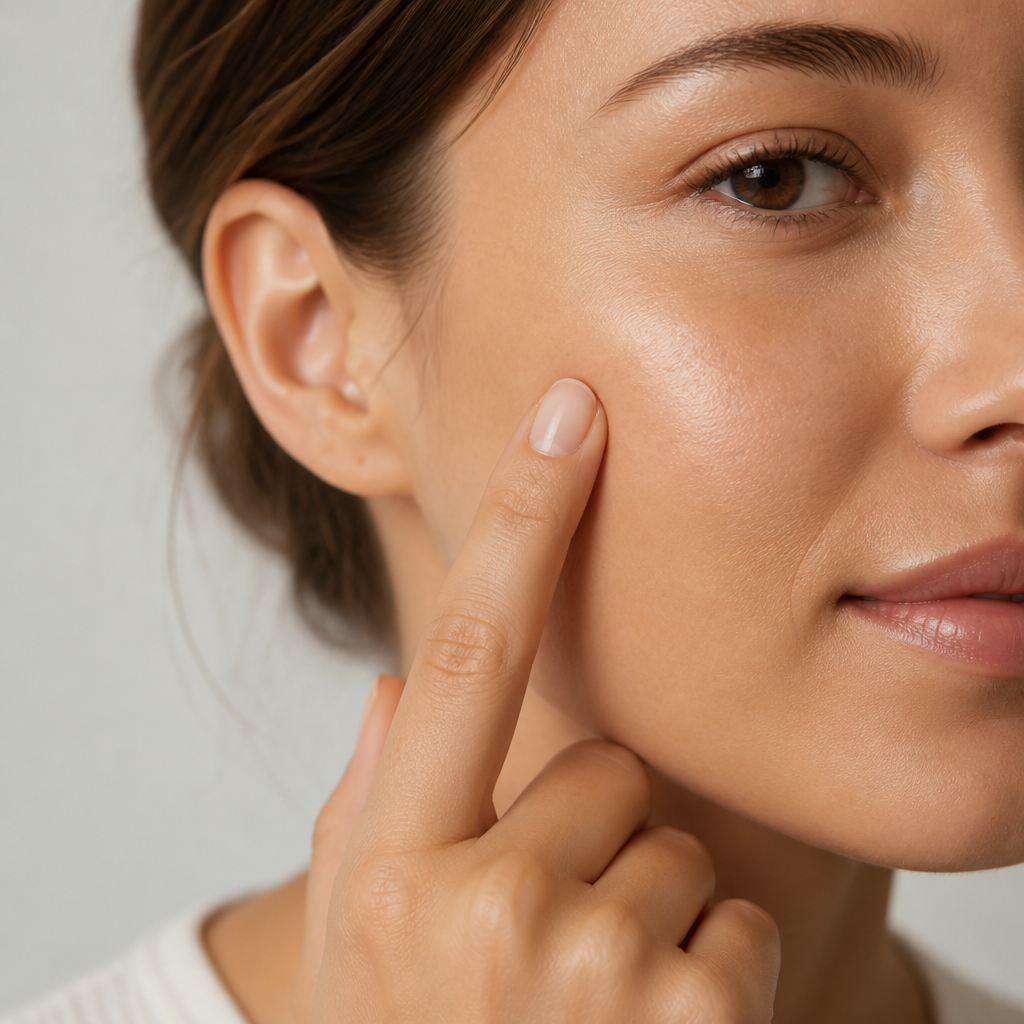
The pinch test is the simplest home check, and we use it as a starting point during consultations. Pinch a small amount of skin on your cheek, abdomen, chest, or the back of your hand and hold it for a few seconds. If the skin snaps back quickly, you are likely not dehydrated. If it takes a few moments to bounce back, you are likely dehydrated. Repeat in other areas if you want a clearer picture.
Pro tip: Run the pinch test on your cheek and on the back of your hand. If only the hand looks dry but the face snaps back quickly, the issue may be surface oil rather than hydration, and a richer moisturizer will likely serve you better.
Reading the Surface Clues
Dry skin tends to show scales, skin flakes, redness or other color changes, and irritation. In some people it is linked to conditions such as psoriasis, eczema, or dermatitis, so visible flaking that does not respond to care should be checked by a professional. Dehydrated skin more often shows itchiness, skin dullness, fine lines, and darker under-eye circles.
Skin that feels tight but still looks oily is often dehydrated, while skin that looks flaky but never feels thirsty is usually short on oil.
Use both the pinch test and the surface clues together. Neither one settles the question alone, and a clinician can confirm the picture when the signs are mixed or persistent.
Why Ontario Winters Blur the Line
Ontario winters create the perfect conditions for confusion. Cold outdoor air holds less moisture, and heated indoor air dries things out further. Many clients come in during the colder months with skin that is both flaky and stinging, which suggests that the lipid layer and the water content have both dropped at once.
Heated Indoor Air and Hot Showers
Central heating is one of the biggest winter triggers we hear about. The air in homes and offices can feel comfortable while quietly pulling moisture from the skin. Hot showers add to the problem by removing the oils that normally protect the surface, so the skin loses both oil and water in the same routine.
Shortening showers, using lukewarm water, and choosing a gentle cleanser are simple changes that protect both conditions. They are not glamorous, but they matter more than most people expect.
Why Overlap Makes Diagnosis Harder
When dryness and dehydration overlap, the usual fix can backfire. A thick cream can comfort dry skin but does not add water to dehydrated layers. A hydrating serum on its own can leave dry skin tight because it lacks the lipids needed to hold moisture. This is why we recommend assessing the current state of the skin, rather than applying whatever product worked last winter.
Why the Difference Changes the Treatment Plan
The treatment plan follows the diagnosis. If the skin lacks water, the goal is to add hydration and then protect it. If the skin lacks oil, the goal is to replace lipids and rebuild the barrier. Mixing the two approaches without a plan is where most frustration starts.
Dehydrated Skin Needs Water First
Ingredients such as glycerin and aloe are commonly chosen for dehydrated skin, and honey is also used in some hydrating products. Hyaluronic acid can help for both conditions, but it works best when followed by an oil or moisturizer that holds the water in place. Applying hydrators to damp skin is a practical habit that makes a noticeable difference.
Dry Skin Needs Lipids to Rebuild the Barrier
For dry skin, the priority is replacing what the skin does not make enough of. Nut and seed oils such as coconut, almond, and hemp, along with shea butter and plant oils such as squalane and jojoba, are typical choices. Hydrating alone can make dry skin feel worse, because water evaporates from a surface that cannot hold it. That is why we pair hydrators with a lipid-rich layer whenever dryness is the main concern.
Pro tip: Apply hydrating products to slightly damp skin, then seal with a moisturizer within a minute or two. This sequence helps trap water in the skin and works for both dry and dehydrated skin, although the sealing product should match your skin type.
Comparing Hydration Options for Your Skin
Hydration options fall into two broad groups: topical products you use at home and treatments delivered in clinic. Each has a role, and the right choice depends on whether your skin is dehydrated, dry, or both. The table below compares three common approaches and the situations where each one makes the most sense.
Topical Hydrators and Occlusive Moisturizers
Humectant-based hydrators draw water into the outer layer, which makes them a natural fit for dehydration. Occlusive and lipid-rich moisturizers slow water loss, which suits dry skin. Used together in the correct order, they cover both conditions at home, and they are inexpensive to test for several weeks before you decide whether they are working.
Clinic-Based Hydration Approaches
In clinic, hydration is usually part of a broader plan that includes an assessment and a treatment sequence. A medical facial or a session of micro-needling paired with a hydrating serum can support how well products are absorbed, but results still depend on what you do at home afterward. We never treat the procedure as a shortcut around daily care.
| Approach | Best Match | What to Expect |
|---|---|---|
| Humectant hydrators, such as hyaluronic acid or glycerin serums | Dehydrated skin | Quick improvement in plumpness and comfort, but shortlived unless sealed with a moisturizer. |
| Lipid-rich moisturizers, such as shea butter or plant oil blends | Dry skin | Gradual improvement in flexibility and flaking over several weeks, with consistent daily use. |
| Clinic-based hydrating facials or micro-needling with a hydrating serum | Either condition, after assessment | Session-based support that works best alongside a consistent home routine and follow-up advice. |
The comparison shows why one product cannot solve both problems. Choose the approach that matches the diagnosis, and treat the rest as a supporting layer.
Common Mistakes That Keep Skin Uncomfortable
Treating Every Tight Feeling as Dryness
The most common mistake is reaching for a heavy cream whenever skin feels tight. If the skin is dehydrated, a thick layer can seal in very little water, and the tightness returns by afternoon. Start by checking whether the skin snaps back quickly and whether the surface looks dull or flaky. That single observation often decides which product belongs in your routine.
Stacking Products Without a Plan
Adding a new serum every week makes it impossible to tell what helps and what irritates. We recommend changing one product at a time and giving it several weeks. Ingredients that are new to your routine should be discussed with a qualified professional, especially if you have a history of eczema or other sensitivities.
Pro tip: Keep a simple two-week log of how your skin feels each morning, noting tightness, flaking, and shine. Patterns in the log often reveal whether you need more water, more oil, or a lower number of products.
Frequently Asked Questions
Can someone have dry skin and dehydrated skin at the same time?
Yes. Dry skin describes a skin type with less oil, while dehydration describes a lack of water in the outer layer, and the two can coexist. This is common in winter and in people with long-term dryness who also use hot water or drying cleansers. Treating both requires hydrators for water and moisturizers for lipids.
Can oily skin be dehydrated?
Yes. Oily and combination skin can lack water even while producing plenty of oil. The shine can mask the problem, so look for tightness, dullness, and a slow response on the pinch test before assuming your skin has enough hydration.
Is the pinch test accurate enough to rely on?
The pinch test is a useful starting point, but it is not definitive. Use it alongside surface clues such as flaking, itchiness, and dullness. If the results are unclear or the symptoms persist, a clinician can give you a more reliable assessment.
Should I use a moisturizer if my skin is dehydrated?
Often yes, though the choice depends on your skin. Hydrating ingredients should come first, and a light moisturizer can help hold that water in place. Heavy creams are rarely the right first step for dehydration alone.
Can a clinic hydration treatment replace a home routine?
No. Clinic treatments can support hydration, but they work best when paired with a consistent routine at home. We see the strongest results when clients follow the plan recommended after their assessment.
When should I see a professional about dry or dehydrated skin?
Book an assessment if your skin cracks, bleeds, becomes itchy and inflamed, or does not improve after several weeks of consistent care. Persistent symptoms can point to conditions that need a medical opinion, not more product.
About Zahra Erfan
Zahra Erfan is the owner of Skin Excellence Medispa in Aurora, Ontario. She oversees the clinic’s client experience, treatment standards, and aesthetic services. Her work with Skin Excellence gives her firsthand insight into the questions clients commonly ask when considering aesthetic treatments in Aurora.
Skin Excellence Medispa is an independently operated medical aesthetics clinic in Aurora, Ontario, owned by Zahra Erfan.
Skin Excellence Medispa
14845 Yonge Street, Unit 301
Aurora, Ontario L4G 6H8
(647) 979-5927
marketing@skinexcellencemedispa.com
Aurora, Ontario
This article is provided for general educational purposes and does not replace an individual medical consultation. Treatment suitability, risks and expected outcomes vary by patient and should be discussed with a qualified healthcare professional.
Considering a treatment in Aurora? Book a consultation with Skin Excellence Medispa to discuss your goals and determine whether it is appropriate for you.
Tell us which signs of dry or dehydrated skin you notice most often, and which part of your routine has helped you the most so far.