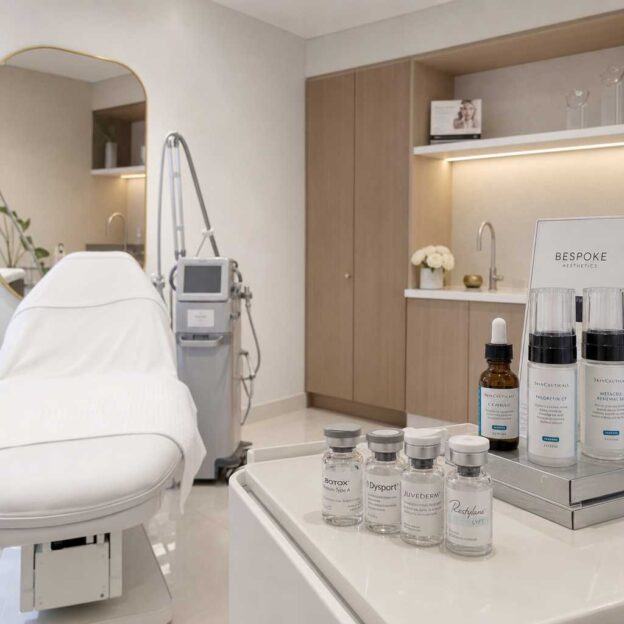
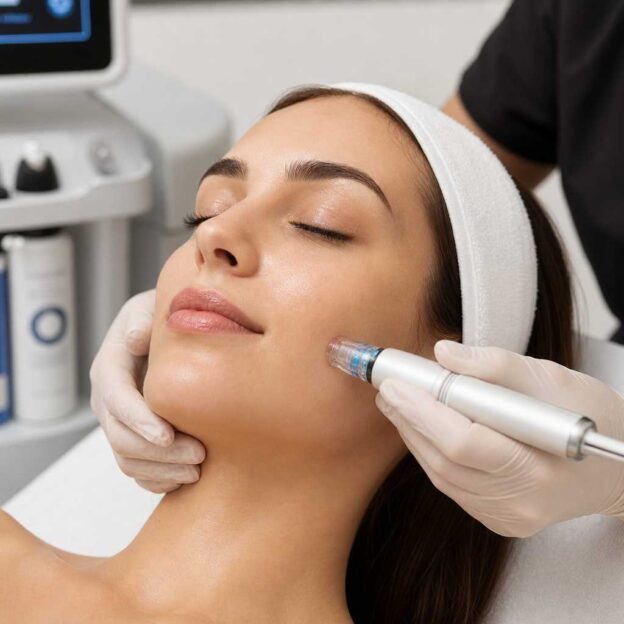
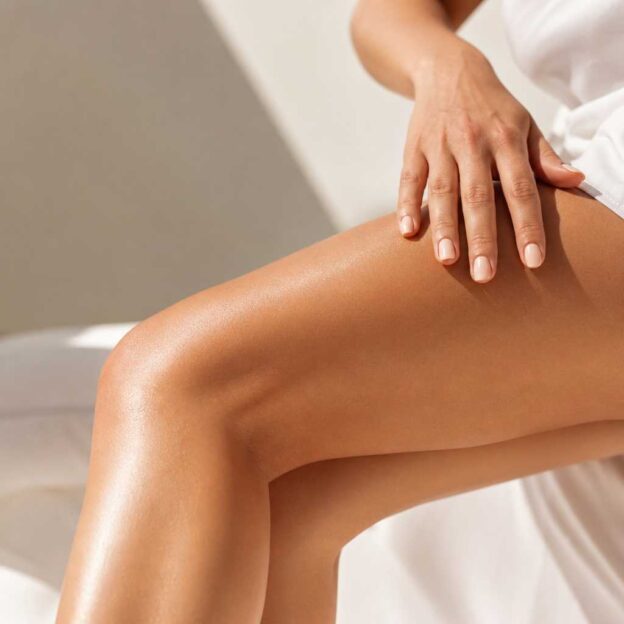
Most people wait until June to think about their skin, and by then they have already missed the window. The best summer skin treatments Aurora residents can book right now are time-sensitive. Some require multiple sessions spaced weeks apart. Others need a healing buffer before sun exposure becomes intense. If you want genuinely refreshed, even-toned, smooth skin for summer, the planning starts in March or April, not on the long weekend in May when every medispa in the GTA is fully booked.
Most people need 4 to 6 sessions spaced 4 to 6 weeks apart. Starting in April is the minimum for meaningful summer results.
Botox takes 10 to 14 days to fully settle
Booking at least two weeks before any major summer event gives the treatment time to look natural, not fresh.
Micro-needling causes temporary sun sensitivity
Post-treatment skin needs strict sun protection for at least a week. Spring sessions are safer than booking mid-July.
Belkyra requires 2 to 4 sessions minimum
Each session is spaced 4 to 6 weeks apart, meaning treatments started in April show visible results by July.
Medical facials work best as a pre-summer series
A series of 3 facials spaced 2 to 3 weeks apart delivers more sustained results than a single session before a trip.
PRF takes 4 to 8 weeks to show full collagen results
The platelet-rich fibrin matrix supports slow collagen induction. Results peak weeks after the last session.
Aurora medispa appointments fill fast in April and May
Pre-summer is the highest demand period for medispa Aurora summer bookings across the GTA. Early booking is practical, not optional.
Why Booking Early Actually Matters for Summer Skin
The number one mistake people make with pre-summer skincare GTA is treating medispa appointments like a haircut. You do not walk in the week before a beach trip and walk out with the skin you wanted. Aesthetic medicine works on biological timelines, and those timelines do not care about your vacation dates.
In practice, the treatments that deliver the most visible summer results, smoother texture, reduced pigmentation, lifted contours, reduced body hair, all require either multiple sessions or a healing period before sun exposure. Laser treatments and micro-needling both temporarily increase photosensitivity. Injectables need time to integrate and settle naturally. Belkyra triggers an inflammatory response that resolves over weeks.
The smart approach is to map your desired outcomes backward from your target date. Want smooth, hair-free legs for June? Laser sessions need to start now. Want a refreshed face for a July event? Botox and fillers booked in May give you comfortable lead time. The window between March and May is genuinely the most strategic period for anyone serious about summer results.
Treatment 1: Laser Hair Removal
Laser hair removal is the most time-constrained treatment on this list. The hair growth cycle means you need sessions spaced 4 to 6 weeks apart to target follicles in their active growth phase. The Canadian Dermatology Association notes that most people require 4 to 8 sessions for meaningful long-term reduction, depending on hair colour, skin tone, and the treatment area.
Why April is the Last Comfortable Start Date
Starting laser hair removal in April gives you 2 to 3 sessions before peak summer. That is not a full series, but it delivers a noticeable reduction in hair density and regrowth speed. Starting in June means you are shaving between sessions in the heat, with freshly treated skin that is photosensitive. It is not dangerous if you are diligent with SPF, but it is avoidable with better planning.
At Skin Excellence Medispa in Aurora, laser hair removal uses advanced technology calibrated for a range of skin tones common in the diverse GTA population. This matters because not all laser platforms are equal for darker skin tones. Confirm at your consultation that the device being used is appropriate for your Fitzpatrick skin type.
Pro tip: Shave the treatment area 24 hours before your laser appointment. Do not wax or epilate in the 4 weeks prior. Waxing removes the hair root that the laser needs to target.
Treatment 2: Micro-Needling for Texture and Tone
Micro-needling is one of the most effective treatments for the concerns people notice most in summer: uneven skin texture, acne scarring, enlarged pores, and dull tone. The mechanism is controlled micro-injury to the dermis, which triggers collagen and elastin production. The data consistently shows that results accumulate over 3 to 6 months, with peak improvement appearing 8 to 12 weeks after a series of 3 sessions.
The Sun Sensitivity Problem with Summer Timing
Micro-needling creates micro-channels in the skin that temporarily compromise the barrier. For 5 to 7 days post-treatment, the skin is significantly more reactive to UV exposure. Booking sessions in March, April, or early May means you complete your series well before the high-UV summer months when sun avoidance is harder to maintain.
A common mistake is booking a single micro-needling session two weeks before a summer event hoping for a quick glow. One session produces some improvement, but the real results come from a series. If you are starting now, three sessions spaced 4 weeks apart, beginning in April, means your final session lands in June with full collagen response peaking in August, exactly when you want it.
Treatment 3: PRP and PRF Skin Rejuvenation
Platelet-rich plasma and platelet-rich fibrin treatments use your own blood’s growth factors to stimulate tissue regeneration. PRF is the newer evolution, producing a fibrin matrix that releases growth factors more slowly and sustainably than PRP, which means longer-lasting results from the same number of sessions.
Both treatments address skin quality at a cellular level: fine lines, skin laxity, overall luminosity, and under-eye hollowing. The results are not instant. The collagen remodeling process takes 4 to 8 weeks to become visible, which is precisely why spring is the right time to book these treatments if summer skin is your goal.
Combining PRF with Micro-Needling
In practice, combining PRF with micro-needling in the same session amplifies results significantly. The micro-channels created by needling allow deeper penetration of the growth factors. This combination is particularly effective for people dealing with post-acne scarring or skin laxity from sun damage accumulated over previous summers. It is worth asking your practitioner at Skin Excellence Medispa whether this combination protocol makes sense for your specific skin concerns.
“Platelet-rich fibrin therapy represents one of the most exciting autologous approaches in aesthetic medicine, with growing evidence supporting its role in skin rejuvenation and wound healing.” Dr. Charles Runels, developer of the PRF protocol for aesthetic use, published in the Journal of Clinical and Aesthetic Dermatology.
Treatment 4: Botox for a Refreshed Summer Look
Botox is not a treatment people associate with summer prep the way they do laser or facials, but it should be. The neurotoxin takes 10 to 14 days to reach full effect, and the results typically last 3 to 4 months. Booking in April or May means you look naturally refreshed through the entire summer season without needing a top-up mid-July.
Natural Results Require Experienced Injectors
The difference between Botox that looks done and Botox that looks rested comes down almost entirely to injector skill and product placement. A common mistake is over-treating the forehead without addressing the glabella, creating a flat, frozen appearance. The goal for summer is movement with refinement, not paralysis.
At Skin Excellence Medispa, Botox consultations include a full facial assessment before any injection decisions are made. This is the standard it should be. Walk away from any clinic that quotes units and price without first assessing your facial dynamics in motion.
Pro tip: Avoid vigorous exercise, lying down flat, or rubbing the treated area for 4 hours post-injection. These precautions reduce the risk of migration and support even distribution of the product.
Treatment 5: Dermal Fillers for Natural Volume
Dermal fillers address what Botox cannot: volume loss, lip definition, cheek projection, and nasolabial softening. Hyaluronic acid fillers like Juvederm and Restylane integrate into tissue over 2 to 4 weeks and look their most natural after that settling period. Booking fillers in April or May means you are not showing up to a summer event with lips that are still swollen or cheeks that have not yet softened into the tissue.
Sculptra, a poly-L-lactic acid filler that stimulates collagen production rather than adding immediate volume, requires even more lead time. Results from Sculptra emerge over 3 to 6 months as collagen builds gradually. If Sculptra is part of your summer plan, conversations about it should be happening right now.
What Fillers Can and Cannot Fix
Fillers cannot address skin quality, pigmentation, or texture. They restore structural volume and define contours. A mistake that sets unrealistic expectations is treating fillers as a skin improvement tool rather than a structural one. For skin quality, the treatments listed above, micro-needling, PRF, and medical facials, are the right tools. A good practitioner will help you build a treatment plan that uses each modality for what it actually does well.
Treatment 6: Belkyra for the Under-Chin Area
Belkyra is the only Health Canada approved injectable treatment for submental fat, the fat beneath the chin that creates what is colloquially called a double chin. The active ingredient is deoxycholic acid, which permanently destroys fat cells in the treated area. Results are permanent because destroyed fat cells do not regenerate.
The treatment timeline is important to understand. Each session is spaced 4 to 6 weeks apart, and most people need 2 to 4 sessions for meaningful results. There is a post-treatment swelling period of 1 to 2 weeks where the area looks temporarily worse before improving. Starting in April means your final session and its associated swelling resolves well before July, with the visible slimming of the chin and jawline fully apparent by midsummer.
The swelling from Belkyra is a reliable sign that the deoxycholic acid is working. It is inflammatory, not problematic. But it is absolutely not something you want to be managing during a summer wedding or outdoor event. Plan accordingly.
Treatment 7: Medical Facials and Chemical Peels
Medical-grade facials and chemical peels are the most accessible entry point for pre-summer skincare GTA residents who are new to medispa treatments. They address pigmentation, congestion, uneven tone, and dullness with zero surgical risk and manageable downtime depending on peel depth.
Choosing the Right Peel Depth for Your Timeline
Superficial peels using glycolic or mandelic acid have 1 to 3 days of mild peeling and can be done monthly. Medium-depth peels using TCA have 5 to 7 days of more significant peeling and should not be done within 4 weeks of prolonged sun exposure. Deep peels require months of recovery and are not a pre-summer treatment option in any realistic sense.
A series of 3 superficial peels spaced 3 weeks apart, starting in March, delivers a cumulative brightening and smoothing effect that one peel cannot replicate. The skin is fully healed and in its best state by the time summer UV intensity peaks. This approach also prepares the skin to better absorb the active ingredients in your home care routine.
Treatment Comparison: What to Book First
Treatment
Lead Time Needed Before June
Primary Summer Benefit
Laser Hair Removal
12 to 24 weeks (start in February or March for full series)
Significant reduction in hair density for legs, underarms, bikini line
Micro-Needling Series
10 to 14 weeks (3 sessions, 4 weeks apart)
Smoother texture, reduced scarring, improved skin tone
Botox
2 to 3 weeks minimum before target event
Softened dynamic lines, refreshed and rested appearance
Dermal Fillers (HA)
3 to 4 weeks before target event for full settling
Restored volume in cheeks and lips, defined contours
Belkyra
12 to 20 weeks (2 to 4 sessions, 4 to 6 weeks apart)
Reduced submental fat, sharper jawline definition
PRF or PRP
8 to 12 weeks before peak summer
Improved skin quality, luminosity, fine line reduction
Medical Facials or Peels
6 to 9 weeks (series of 3, spaced 3 weeks apart)
Even tone, reduced pigmentation, overall radiance
Frequently Asked Questions
Which summer skin treatment should I book first if I can only do one?
If you can only book one treatment, laser hair removal wins on time sensitivity alone. It requires the most sessions and the longest lead time, and it is the treatment where delaying costs you the most. Botox and fillers can be booked closer to your target date. Laser cannot.
Is it safe to get micro-needling or peels if I am going to be in the sun this summer?
Yes, with the right timing and sun protection protocol. The key is completing your series before peak UV season, which in the GTA means finishing by late May at the latest. After that, consistent SPF 50 use, hats, and avoiding midday sun are non-negotiable. This is not about avoiding summer, it is about not undoing the results you just paid for.
Can I combine multiple treatments in the same appointment at Skin Excellence Medispa?
Some combinations work well together in the same session, like PRF applied after micro-needling, while others need to be spaced apart. Botox and fillers can often be done in the same appointment. Laser hair removal and facial treatments are typically done on separate days. The best approach is a full consultation where your practitioner maps out a sequenced treatment plan based on your specific goals and skin type.
How much does a pre-summer treatment package typically cost in Aurora?
Pricing varies significantly by treatment. A single Botox session at a reputable Aurora medispa typically ranges from $200 to $500 depending on the number of areas treated. Laser hair removal pricing depends on the treatment zone. Medical facials generally range from $150 to $300 per session. Belkyra is typically priced per vial, and most people need 2 to 4 vials per session. Book a consultation at Skin Excellence Medispa for a personalized quote based on your actual treatment plan.
Do I need a consultation before booking any of these treatments?
For injectables, yes, without exception. A consultation is not a formality, it is where the practitioner assesses your facial anatomy, skin condition, and medical history before recommending anything. For laser and medical facials, a skin assessment helps ensure the right device settings and product choices for your skin type. Clinics that skip the consultation step are not providing safe care.
What is the difference between a medispa and a regular spa for these treatments?
A medispa like Skin Excellence Medispa in Aurora operates under medical oversight with regulated injectable treatments, prescription-grade laser technology, and practitioners trained in clinical aesthetics. A regular spa offers non-medical treatments like massage, waxing, and basic facials. For any treatment involving lasers, injectables, or skin resurfacing, a medispa with licensed practitioners is the appropriate setting, not a spa environment.
Have you already booked your pre-summer medispa treatments, or are you still figuring out where to start? Share what worked for you or what questions you still have in the comments below.
Most people in the Greater Toronto Area who switch to laser hair removal do so after years of waxing, shaving, and ingrown hairs. What stops many of them is a simple question nobody answers clearly: will this actually work on my skin? If you have been told laser treatment “might not be for you” without any real explanation, that advice deserves scrutiny. Laser hair removal in Aurora has advanced significantly, and the answer about skin type compatibility is now far more nuanced and far more optimistic than it was even five years ago. Here is what you actually need to know.
Your skin tone, rated I to VI, determines which laser wavelength is safe and effective for you. A proper consultation uses this scale, not guesswork.
Dark skin tones can absolutely be treated
Nd:YAG lasers operate at 1064 nm, bypassing melanin in the skin and targeting the hair follicle directly. Fitzpatrick IV to VI patients are not automatically excluded.
Hair colour matters as much as skin tone
Laser energy targets melanin in the hair. Dark brown and black hair responds fastest. Light blonde, red, and white hair has significantly less melanin and responds poorly.
Multiple sessions are non-negotiable
Hair grows in cycles. Laser only destroys follicles in the active (anagen) phase. Most clients require 6 to 8 sessions spaced 4 to 8 weeks apart for lasting reduction.
Sun exposure before treatment is a real risk
Tanned skin raises the melanin in the dermis, increasing the chance of burns or hyperpigmentation. Avoid UV exposure for at least 4 weeks before each session.
GTA clients see seasonal demand patterns
Fall and winter are the ideal times to start a laser hair removal series in Aurora. Less sun exposure means safer, more consistent treatments across all skin types.
Clinic technology directly affects your outcome
Not all lasers are equal. Clinics using medical-grade, multi-wavelength devices deliver superior results compared to IPL-based systems sold as “laser” to consumers.
How Laser Hair Removal Works
Laser hair removal uses a process called selective photothermolysis. A laser emits a specific wavelength of light that is absorbed by melanin, the pigment found inside the hair follicle. The absorbed energy converts to heat, which damages the follicle and prevents future hair growth without harming the surrounding skin tissue.
The word “selective” is critical here. The laser is calibrated to target the melanin in the hair, not the melanin in your skin. This is where the distinction between laser types becomes important, because different wavelengths have different depths of penetration and different affinities for melanin.
In practice, a single session destroys only the hairs that are actively growing at that moment. Roughly 20 to 30 percent of hairs are in the active anagen phase at any given time. This is why a single session never eliminates all hair in an area, and why the full treatment series is the only realistic path to long-term reduction.
The Fitzpatrick Scale: Your Skin Type Decoded
The Fitzpatrick Skin Phototype Classification was developed by Harvard dermatologist Thomas B. Fitzpatrick in 1975. It categorizes skin into six types based on melanin content and how skin responds to UV exposure. Every reputable laser hair removal consultation in Aurora should begin with this assessment.
Fitzpatrick Types I and II
Very fair to fair skin that burns easily and rarely tans. This skin type has the least epidermal melanin, which means the laser can target follicle melanin with minimal risk of absorbing energy in the surrounding skin. Alexandrite and diode lasers work extremely well here. Results are typically fast and dramatic.
Fitzpatrick Types III and IV
Medium to olive skin that tans moderately. This is the most common skin type among GTA residents seeking treatment. Diode lasers at 810 nm are the workhorse for this group, offering effective follicle targeting with appropriate cooling technology to protect the epidermis. Practitioners need to adjust fluence settings carefully, but outcomes are excellent.
Fitzpatrick Types V and VI
Brown to deeply pigmented skin. The higher epidermal melanin concentration means shorter-wavelength lasers pose a real burn and hyperpigmentation risk. Nd:YAG lasers at 1064 nm are the evidence-based standard for this group. A common mistake is clinics using Alexandrite on Type V or VI skin because their device does not offer Nd:YAG capability. Ask directly what wavelength will be used on your skin before committing.
“The Fitzpatrick classification remains the cornerstone of pre-treatment assessment for laser and light-based procedures. Ignoring it is not a clinical shortcut. It is a clinical failure.” Dr. Jeffrey Dover, dermatology textbook co-author and clinical instructor at Yale School of Medicine.
Which Laser Technology Matches Your Skin
Three laser types dominate the professional laser hair removal space. Understanding them helps you ask the right questions during your consultation at any Aurora or GTA medispa, including Skin Excellence Medispa.
Alexandrite Laser (755 nm)
Highly effective for Fitzpatrick Types I to III. Its shorter wavelength is readily absorbed by melanin, making it fast and precise for lighter skin tones. It is not appropriate for darker skin types due to the risk of epidermal absorption causing burns or pigmentation changes.
Diode Laser (810 nm)
The broadest range of any single laser technology, suitable for Fitzpatrick Types I to IV and often extended carefully to Type V with appropriate settings. It penetrates deeper than the Alexandrite and offers strong follicle destruction for a wide range of clients. Most high-quality medispas in Aurora use this as their core device.
Nd:YAG Laser (1064 nm)
The gold standard for darker skin tones, Types IV through VI. Its longer wavelength bypasses the epidermal melanin and reaches the follicle safely. The trade-off is that it requires slightly higher energy to achieve the same follicle destruction, and some clients report more discomfort. Proper cooling and trained practitioners manage this effectively.
Pro tip: When calling a clinic to book a consultation, ask specifically: “What laser wavelength do you use for darker skin tones?” If they cannot answer or only offer one device for all skin types, that is a red flag worth taking seriously.
Who Gets the Best Results
The ideal candidate for laser hair removal has a strong contrast between hair colour and skin tone. Dark hair on fair to medium skin produces the fastest, most complete results. The laser has a highly specific target in the hair follicle, with minimal competing melanin in the surrounding tissue.
That said, people with darker skin and dark hair also achieve excellent results when treated with the correct laser and an experienced practitioner. The data consistently shows that Nd:YAG treatments on Fitzpatrick V and VI clients produce meaningful, lasting hair reduction when protocols are properly followed.
The group that genuinely struggles with laser hair removal is those with light blonde, red, grey, or white hair. These hairs lack sufficient melanin to absorb laser energy effectively. No amount of technology or clinic expertise fully overcomes this biology. Electrolysis remains the better option for these clients.
Pro tip: If you have a mix of dark and lighter hairs in the treatment area, laser will still work effectively on the dark hairs. Some lighter hairs may require more sessions or additional treatment methods. Discuss the realistic outcome for your specific hair and skin combination during your consultation.
Common Mistakes Before Your First Session
A surprising number of people arrive at their first laser appointment having done something that directly undermines the treatment. Knowing these mistakes in advance protects both your safety and your investment.
Waxing or Plucking Before Treatment
Waxing removes the hair root entirely, leaving the laser with no melanin-rich follicle to target. You must shave, not wax, for at least four to six weeks before your first session and between sessions. The follicle needs to be intact for the laser to work.
Tanning or Sun Exposure
UV exposure temporarily increases epidermal melanin in all skin types. Even Fitzpatrick Type I clients who tan before a session raise their risk of surface burns. Many GTA clients start their series in September or October to avoid this issue entirely during the summer months.
Skipping the Consultation
Any clinic offering laser hair removal without a proper skin assessment and patch test is cutting corners. A consultation at a reputable Aurora clinic should include a Fitzpatrick assessment, a review of medications (some are photosensitizing), and a discussion of realistic outcomes for your specific combination of skin tone and hair colour.
Choosing a Clinic Based on Price Alone
The laser hair removal market in the GTA includes a wide range of providers, from medical-grade medispas to IPL devices marketed as laser in budget salons. IPL (intense pulsed light) is not a laser. It uses a broad spectrum of light rather than a specific wavelength, and it performs significantly worse on a wider range of skin types. The price difference often reflects the difference in technology and clinical oversight.
Laser Technology Comparison
Technology
Best Skin Types (Fitzpatrick)
Key Advantage
Alexandrite Laser (755 nm)
Types I, II, III
Fast treatment speed; highly effective for fair to medium skin with dark hair
Diode Laser (810 nm)
Types I through IV, cautiously V
Broadest skin type range; strong follicle penetration with manageable discomfort
Nd:YAG Laser (1064 nm)
Types IV, V, VI
Safest option for dark and deep skin tones; bypasses epidermal melanin
What to Expect at Skin Excellence Medispa
Skin Excellence Medispa in Aurora serves clients from across the Greater Toronto Area, including Richmond Hill, Newmarket, Barrie, and Toronto itself. The clinic’s approach to laser hair removal starts with a thorough skin assessment rather than a one-size-fits-all treatment package.
The team conducts a Fitzpatrick skin typing assessment during the initial consultation, uses this to select the appropriate laser wavelength and fluence settings, and performs a patch test before the first full session. This is not bureaucratic caution. It is the clinical standard that separates a safe, effective outcome from an avoidable complication.
Treatment areas commonly requested include the legs, underarms, bikini line, upper lip, chin, and back. Session timing is spaced to align with the hair growth cycle for each specific body area, because the anagen phase duration differs between the face and the body.
Clients referred by a friend or family member often arrive with realistic expectations already in place because they have seen the results firsthand. That said, a personal consultation is still essential because your skin type, hair colour, and treatment history may differ significantly from the person who referred you. Results are individual, and your plan should be too.
If you are ready to find out whether laser hair removal in Aurora is the right fit for your skin, booking a consultation at Skin Excellence Medispa is the practical first step. The consultation gives you a clear answer based on your actual skin and hair, not a generic suitability checklist from the internet.
Frequently Asked Questions
Is laser hair removal safe for all skin tones in Aurora?
With the right laser technology and a trained practitioner, laser hair removal is safe across all Fitzpatrick skin types. Darker skin tones require Nd:YAG lasers specifically. The risk comes from clinics using the wrong wavelength for a given skin type, not from laser treatment itself. Always confirm which laser device and wavelength will be used on your skin during your consultation.
How many sessions will I need for lasting results?
Most clients need between 6 and 8 sessions to achieve significant, lasting hair reduction. This accounts for the hair growth cycle, which means not all follicles are in the active phase at any one time. Sessions are typically spaced 4 to 8 weeks apart, with facial areas requiring shorter intervals and body areas slightly longer ones.
Does laser hair removal work on hormonal hair growth?
Laser hair removal destroys existing active follicles effectively, but hormonal conditions such as PCOS can stimulate new follicle activity over time. Clients with hormonal hair growth often require occasional maintenance sessions after completing their initial series. This does not mean laser is ineffective for them. It means their underlying hormonal pattern requires ongoing management.
Is the treatment painful for sensitive skin types?
Most clients describe the sensation as a rubber band snap against the skin. Medical-grade lasers used at clinics like Skin Excellence Medispa include integrated cooling systems that significantly reduce discomfort. Darker skin tones treated with Nd:YAG may feel slightly more intensity due to the higher energy required, but topical numbing cream can be applied beforehand for sensitive clients.
Can I get laser hair removal in Aurora if I have a tan from the summer?
You should wait until your tan fades before your session. A tan increases epidermal melanin, raising the risk of surface burns and post-inflammatory hyperpigmentation even on skin types that would normally handle treatment well. This is one reason Aurora-area clients often begin their laser series in September or October after the summer season ends.
What is the difference between IPL and laser for hair removal?
IPL, or intense pulsed light, uses a broad spectrum of light wavelengths rather than a single targeted wavelength like a true laser. This makes IPL less precise and generally less effective, particularly on darker skin tones or lighter hair. Many budget salons and at-home devices use IPL while marketing it as laser treatment. A genuine laser device uses one specific wavelength calibrated to your skin and hair type.
Have you tried laser hair removal, or are you still weighing it against other options? Share your experience or questions in the comments so others in the Aurora and GTA community can benefit from the conversation.
Most people considering Botox in Aurora, ON spend weeks researching online and still walk into their first appointment with the wrong expectations. They worry about frozen faces, sky-high prices, or whether it will hurt. The real risks are more subtle: choosing an undertrained injector, skipping a proper consultation, or misunderstanding what Botox actually does versus what fillers do. This guide covers the full picture, from how the treatment works to what distinguishes a quality medispa in the GTA from a clinic that just wants to fill appointment slots.
Botox is a purified form of botulinum toxin type A, a neuromodulator that temporarily blocks the nerve signals responsible for muscle contraction. When injected into specific facial muscles, it prevents those muscles from contracting with their full force, which smooths the overlying skin and reduces the appearance of dynamic wrinkles.
The word “dynamic” matters here. Botox works on wrinkles caused by repeated muscle movement, such as the horizontal lines across your forehead, the vertical lines between your brows (often called frown lines or the “11s”), and the crow’s feet around your eyes. It does not work on static wrinkles, which are lines that remain when your face is completely at rest. Those require dermal fillers or skin resurfacing treatments.
Health Canada approved botulinum toxin A for cosmetic use in 2001, and it remains one of the most studied injectable treatments available. According to the American Society of Plastic Surgeons, neuromodulator injections have consistently ranked as the top minimally invasive cosmetic procedure performed each year across North America, with millions of treatments administered annually.
Quick Takeaways
Key Insight
Explanation
Botox targets dynamic wrinkles only
Lines caused by muscle movement respond to Botox. Lines present at rest require fillers or resurfacing, not neuromodulators.
Results take 3 to 14 days to appear
Botox does not work instantly. Most patients see initial softening around day 3 to 5, with full results by day 14.
Injector qualification is the single biggest variable in outcomes
A trained nurse injector or physician with facial anatomy expertise produces dramatically safer results than a minimally trained technician.
Dosing is measured in units, not syringes
Pricing per unit is the honest model. Clinics that quote per area without disclosing unit counts make it hard to compare value.
Preventative Botox is real and evidence-backed
Starting treatments in your late 20s or early 30s slows the development of deep static lines, particularly in the forehead and glabellar region.
A consultation before any injection is non-negotiable
Your anatomy, muscle strength, and skin quality all affect dosing decisions. Good clinics in Aurora assess this before touching a needle.
Botox in Aurora, ON is medically regulated
In Ontario, botulinum toxin injections must be administered or directly supervised by a regulated health professional under the Regulated Health Professions Act.
Who Is a Good Candidate for Botox
The ideal candidate for Botox in Aurora, ON is an adult who has noticed lines forming from repeated facial expressions, wants to soften those lines without surgery, and has realistic expectations about what a neuromodulator can do. Age range is wide: patients as young as 25 use it preventatively, while patients in their 60s use it as part of a broader anti-aging protocol alongside fillers or skin tightening treatments.
Certain people should avoid Botox entirely. Pregnancy and breastfeeding are absolute contraindications. Active skin infection at or near the injection site is another hard stop. People with neuromuscular conditions such as ALS, myasthenia gravis, or Lambert-Eaton syndrome should not receive botulinum toxin injections. A history of allergic reaction to any botulinum toxin product or its ingredients is also a disqualifier.
Preventative Botox for Younger Patients
In practice, one of the most common conversations at a quality Aurora medispa involves patients in their late 20s asking whether they are “too young” for Botox. The honest answer is no, provided the indication is appropriate. If a patient shows early dynamic lines in the forehead or glabella at rest after expression, small maintenance doses can prevent those lines from becoming etched into the skin permanently. This is not cosmetic vanity. It is basic preventive care for the skin.
Pro tip: If you are under 30 and considering Botox for the first time, ask your injector to start with a conservative dose across the fewest necessary areas. The goal at this stage is prevention, not correction, and less product is almost always the right starting point.
Botox vs. Dermal Fillers: Choosing the Right Treatment
A common mistake first-time patients make is conflating Botox with dermal fillers. They are fundamentally different products with different mechanisms and different indications. Botox relaxes muscles. Fillers add volume. Both address the appearance of aging, but they do it in distinct ways and for distinct problems.
At Skin Excellence Medispa, practitioners regularly see patients who have come in requesting Botox when their concern is actually better suited to a hyaluronic acid filler, or vice versa. A nasolabial fold that deepens because of volume loss in the mid-face does not respond meaningfully to a neuromodulator. A forehead with active expression lines is not the right target for filler.
Comparison: Botox, Hyaluronic Acid Fillers, and Sculptra
Treatment
Mechanism
Best For
Botox (botulinum toxin A)
Temporarily relaxes targeted muscles by blocking acetylcholine release at the neuromuscular junction
Stimulates the body’s own collagen production over time; results build gradually over several months
Full-face volume restoration, temple hollowing, diffuse skin laxity in patients with significant volume loss
Many patients benefit from a combination approach. Using Botox to address upper-face dynamic lines while using a hyaluronic acid filler in the mid-face produces natural, balanced results that neither treatment achieves alone. This is sometimes called a “liquid facelift” approach, though that term oversimplifies what is actually a carefully mapped treatment plan based on individual facial anatomy.
“The best aesthetic outcomes come from treating the whole face as a system, not cherry-picking a single line or fold. Anatomy-driven treatment planning is what separates good injectors from great ones.” – American Academy of Facial Esthetics educational guidance on combination injectable therapy
What to Expect at Your First Botox Appointment in Aurora
A first Botox appointment at a reputable Aurora clinic typically runs 30 to 45 minutes, with the actual injection portion taking under 10 minutes for a standard treatment area. The rest of the time involves consultation, informed consent, and facial assessment.
Step-by-Step Breakdown of the Appointment
Your injector will begin by reviewing your medical history, current medications, and any previous injectable treatments. They will photograph your face in multiple positions and ask you to make expressions so they can assess your muscle movement patterns. This step is not optional at a quality clinic. Skipping it is a red flag.
The injection itself involves a very fine needle. Most patients describe the sensation as a mild pinch. Topical numbing cream is available but rarely necessary for Botox, unlike filler injections. Each injection site takes seconds. A standard forehead-plus-frown-lines treatment involves roughly 8 to 15 injection points depending on anatomy and dose.
After the injections, you will be advised to avoid lying flat for four hours, skip vigorous exercise for 24 hours, and avoid rubbing or massaging the treated areas. These instructions are not arbitrary. Mechanical pressure on freshly injected Botox can cause the product to migrate to unintended muscle groups, which is the most common cause of the dreaded eyelid droop (ptosis) outcome.
Pro tip: Schedule your first Botox appointment at least two weeks before any major event. Results are not visible immediately, and you want time to assess your outcome and communicate with your injector if a follow-up touch-up is needed.
How to Choose the Right Injector in Aurora, ON
The GTA has no shortage of clinics offering Botox. Aurora and the surrounding York Region communities have seen significant growth in medical aesthetic providers over the past decade. This is largely good news for consumers, but it also means the quality range is wide. The single most important decision you will make is not which clinic is closest or which one ran the best Instagram promotion. It is who is holding the needle.
Credentials That Actually Matter in Ontario
In Ontario, botulinum toxin is a controlled act. It must be ordered and administered by or under the supervision of a regulated health professional, typically a physician, nurse practitioner, or registered nurse. A medical aesthetician or cosmetician cannot legally inject Botox without direct physician oversight. Ask the clinic directly: who is doing the injection, what are their credentials, and is there a physician involved in the clinical oversight of the practice?
Skin Excellence Medispa operates under a medically supervised model with experienced practitioners who understand facial anatomy from a clinical perspective, not just an aesthetic one. That distinction changes outcomes. A practitioner who understands where the levator palpebrae superioris muscle sits and how close it is to the frontalis knows exactly why precise dosing and placement prevent ptosis. Someone trained purely through a weekend aesthetic course does not have that foundation.
Questions to Ask Before Booking
Ask whether a consultation is included before any injection is performed. Ask how many units are being used and at what price per unit. Ask whether the clinic uses Health Canada-approved products exclusively. Ask about the clinic’s policy if you experience an adverse effect. A clinic that gives clear, direct answers to all of these questions is operating with integrity. One that hedges or deflects is not worth your trust.
Cost of Botox in Aurora, ON
Botox is priced by the unit across most reputable clinics in Aurora and the broader GTA. In 2024, the typical range in the Greater Toronto Area runs from approximately $10 to $15 per unit at medically supervised aesthetic clinics. A standard forehead treatment typically requires 10 to 20 units. The glabellar complex (the frown lines) typically requires 20 to 25 units. Crow’s feet use roughly 10 to 15 units per side.
A full upper-face treatment covering forehead, frown lines, and crow’s feet therefore runs approximately $400 to $800 depending on your anatomy, muscle strength, and the specific unit pricing at your chosen clinic. Patients with stronger facial muscles, which is common in men and in people who are very physically expressive, generally require more units to achieve equivalent relaxation.
Why Suspiciously Low Prices Are a Risk
If you see Botox advertised in Aurora at $5 per unit or less, that is not a deal. It is a signal. Either the product is underdosed, improperly stored, or the clinic is cutting corners on something that affects your safety. Botox requires cold chain storage. Dilution ratios matter. A clinic trying to compete primarily on price is prioritizing margin over patient outcomes. The data consistently shows that the most common reason patients switch clinics is dissatisfaction with results from a price-focused provider, not the cost of treatment at a higher-quality one.
Pro tip: When comparing clinics in Aurora, ask specifically for the price per unit and the number of units recommended for your concern. This is the only honest apples-to-apples comparison. A “per area” quote without unit disclosure tells you nothing about actual value.
Aftercare and Results: What Actually Happens
The first 24 to 48 hours after Botox are straightforward if you follow the instructions. Avoid touching or rubbing the treated areas. Stay upright for at least four hours post-injection. Skip high-intensity exercise for 24 hours. Avoid heat exposure, saunas, and hot tubs for 24 to 48 hours. These are not excessive restrictions. Each one exists for a specific physiological reason.
You may notice small raised bumps at the injection sites immediately after treatment. These typically resolve within 20 to 30 minutes. Some patients experience mild redness or a small amount of bruising, particularly around the eyes where skin is thin and vascular density is higher. Using a vitamin E supplement or blood thinners like aspirin or ibuprofen before treatment increases bruising risk. Mention all supplements and medications to your injector before your appointment.
What the Results Look and Feel Like
By day 3 to 5, most patients notice initial softening in the treated areas. Full results are visible by day 10 to 14. The goal with a properly performed treatment is not immobility. Your forehead should still be able to move. You should still show expression. The aim is a reduction in the depth and frequency of the lines, not complete paralysis of the muscle. Any injector who tells you that a completely frozen forehead is normal or desirable is not following current best practices.
Botox results typically last three to four months for most patients. Some patients report longer duration after multiple consistent treatments, likely because habitually underused muscles atrophy slightly over time and require less product to maintain relaxation. Regular maintenance, typically three to four sessions per year, is the standard protocol for patients who want to sustain results.
Frequently Asked Questions
Does Botox hurt?
Most patients describe Botox injections as a brief, mild pinch at each site. The needles used are very fine gauge, and the injection itself takes only a second per site. The forehead and crow’s feet areas are generally less sensitive. The glabellar region (between the brows) tends to be slightly more sensitive for some patients. Topical numbing cream can be applied beforehand if you have a low pain threshold, though most people find it unnecessary.
How long does Botox last in Aurora’s climate?
Duration of Botox results is determined by your metabolism, muscle mass, and treatment dosing, not by geographic climate. The average duration for most patients is three to four months. Very physically active patients or those with high metabolic rates may notice results fading closer to the two and a half to three month mark. Properly stored and freshly prepared Botox performs consistently regardless of season.
Can I get Botox if I’m also considering micro-needling or PRP?
Yes, but timing and sequencing matter. Micro-needling and PRP treatments involve controlled injury to the skin surface and stimulate a healing response. If you are combining these with Botox, most practitioners recommend either performing them at the same appointment before the Botox is injected or waiting at least two weeks after Botox to allow the product to settle fully. At Skin Excellence Medispa, combination treatment plans are built around your skin goals and mapped with this sequencing in mind.
Is Botox safe if I’ve had fillers before?
In the vast majority of cases, yes. Botox and hyaluronic acid fillers are frequently combined in the same treatment session or within days of each other. The key consideration is placement: injecting Botox too close to a recently placed filler deposit can theoretically displace it, which is another reason injector expertise matters. An experienced practitioner maps both treatments together and accounts for the location of existing product.
Will people be able to tell I’ve had Botox?
With proper dosing and placement, no. The goal of a well-performed Botox treatment is to make you look refreshed and well-rested, not treated. When people say someone “looks like they’ve had Botox,” they are usually describing over-treatment or improper technique that has eliminated natural facial movement. Conservative, anatomy-appropriate dosing with an experienced injector in Aurora produces results that your friends will attribute to a good night’s sleep, not a needle.
What is the difference between Botox and Dysport or Xeomin?
All three are botulinum toxin type A neuromodulators approved by Health Canada for cosmetic use. They differ in their protein formulation and dilution characteristics. Dysport tends to spread slightly more from the injection point, which can be advantageous for large areas like the forehead but requires careful dosing around delicate areas like the eyes. Xeomin contains no accessory proteins, which some practitioners prefer for patients who may be developing antibody resistance to traditional Botox. Your injector will recommend the product best suited to your anatomy and treatment goals.
If you have had your first Botox consultation or appointment in Aurora, share what surprised you most about the experience. Your feedback helps others prepare more realistically for their first visit.
If a friend referred you to Skin Excellence Medispa in Aurora, Ontario, you might have paused at the word “medispa” and wondered exactly what you were signing up for. That pause is worth respecting. A medispa is not a fancier version of a day spa with better candles. The treatments performed inside one are clinically active, the practitioners are licensed medical professionals, and the results are measurably different from anything a traditional spa can deliver. Knowing the distinction before you book means you arrive with the right expectations and leave with the right results.
Unlike a day spa, a medispa operates under a physician or nurse practitioner, meaning every injectable and laser treatment meets clinical safety standards.
Botox and fillers are prescription treatments
In Ontario, these require a medical professional to assess, prescribe, and administer. A regular spa cannot legally offer them.
Results are clinically measurable
Treatments like Sculptra stimulate collagen production over months, producing results a facial scrub or massage simply cannot replicate.
Skin Excellence serves the GTA from Aurora
Clients drive from Newmarket, Richmond Hill, Vaughan, and Barrie because the clinic combines clinical expertise with a genuinely personalized experience.
Consultations replace guesswork
At a medispa, your treatment plan starts with an assessment of your skin, medical history, and goals, not a menu you browse on your own.
Regulatory standards are stricter
Ontario’s College of Nurses and College of Physicians govern medispa practitioners. Day spas face no equivalent clinical oversight for cosmetic procedures.
Price reflects clinical value
Medispa treatments cost more than a day spa facial because the products, devices, and practitioner credentials behind them are fundamentally different.
What Is a Medispa?
A medispa, or medical spa, sits at the intersection of a traditional day spa and a medical clinic. The environment is designed to feel welcoming and comfortable, not clinical. But the treatments performed inside are regulated, evidence-based, and administered by licensed healthcare professionals such as registered nurses, nurse practitioners, or physicians.
The American Med Spa Association reports that the medical spa industry in North America reached approximately $18.1 billion in 2023 and continues to grow, driven largely by demand for non-surgical aesthetic procedures. In practice, what that growth reflects is a shift in consumer expectations: people want results that actually show, not just a relaxing hour that fades by Monday morning.
A medispa in Aurora, Ontario must comply with provincial health regulations. That means the clinic employs or contracts with a physician or nurse practitioner who oversees treatment protocols, handles prescriptions for injectable treatments, and ensures patient safety is the first priority, not an afterthought.
The origin of the medispa model
The medispa concept emerged in the 1990s as non-surgical cosmetic procedures became more accessible. Physicians recognized that many patients wanted aesthetic improvements but were uncomfortable inside a traditional medical clinic. The hybrid model, clinical expertise inside a spa-like environment, solved that tension. Skin Excellence Medispa in Aurora is a direct expression of that philosophy.
Medical Spa vs Day Spa: The Real Differences
The medical spa vs day spa question is not a matter of preference or budget alone. It is a question of what you actually need. If you want relaxation, stress relief, and a basic skin maintenance treatment, a day spa delivers that well. If you want to reduce deep wrinkles, dissolve a double chin, restore facial volume, or permanently reduce body hair, a day spa is not equipped to help you.
Here is where the distinctions become concrete. Day spas can offer facials, aromatherapy, body wraps, waxing, and non-clinical skin treatments. None of these require a medical license. A medispa, by contrast, can administer Botox, hyaluronic acid fillers, Belkyra for submental fat reduction, Sculptra for collagen stimulation, microneedling with PRP or PRF, medical-grade laser treatments, and prescription-strength skin therapies.
What the practitioner credentials actually mean for you
When a registered nurse at Skin Excellence Medispa administers Botox, she is working from an anatomy-based understanding of facial musculature. She knows which muscles to treat, at what depth, and with how many units to achieve a natural result. A spa esthetician, however skilled at their craft, has not trained for this. The credential gap is not gatekeeping. It is patient protection.
In Ontario, injecting neurotoxins or dermal fillers without medical oversight is illegal. Any clinic or spa advertising these services without a supervising physician or nurse practitioner is operating outside provincial regulations, and that should be a clear warning sign for anyone considering booking.
Pro tip: Before booking any injectable treatment anywhere in Aurora or the GTA, ask directly who the supervising physician is and whether they are on-site or simply lending their name to the clinic. The answer tells you everything you need to know about that clinic’s safety culture.
Treatments Only a Medispa Can Offer
Skin Excellence Medispa offers a treatment menu that a day spa cannot legally or practically replicate. Understanding what these treatments do, and why they require clinical oversight, is essential for anyone making a decision about where to go.
Botox and neuromodulators
Botox (botulinum toxin type A) temporarily relaxes targeted facial muscles to smooth expression lines. It is one of the most studied aesthetic treatments in the world, with a robust safety record when administered by trained practitioners. At Skin Excellence, the treatment is customized based on your facial anatomy and the specific lines you want to address. The process takes minutes. The results typically appear within 7-14 days and last 3-4 months.
Dermal fillers
Hyaluronic acid fillers restore volume, define contours, and smooth deeper lines that Botox does not address. Popular treatment areas include the lips, cheeks, nasolabial folds, and under-eye hollows. Filler placement requires a precise understanding of facial anatomy to avoid vascular complications. This is not a treatment that belongs in any setting without medical oversight.
Belkyra for chin fat reduction
Belkyra (deoxycholic acid) is the only Health Canada-approved injectable for reducing submental fat, commonly called a double chin. It works by permanently destroying fat cells in the targeted area. Skin Excellence is one of the Aurora-area clinics offering this treatment, which typically requires 2-4 sessions spaced about 6 weeks apart.
Sculptra for collagen stimulation
Sculptra is a poly-L-lactic acid injectable that stimulates your body’s own collagen production over 3-6 months. Unlike hyaluronic acid fillers, the results build gradually and can last up to two years. It requires an experienced injector who understands both the product’s behavior and the patient’s long-term facial changes.
PRP and PRF therapies
Platelet-rich plasma (PRP) and platelet-rich fibrin (PRF) therapies use growth factors from your own blood to accelerate skin repair and collagen production. At Skin Excellence, these are used in combination with microneedling for skin rejuvenation and as standalone treatments for scalp health and hair restoration. Processing a patient’s blood and re-injecting it requires clinical protocols that go well beyond any day spa license.
Comparing Your Options in Aurora
For GTA residents evaluating where to invest in their skin, the differences between a traditional day spa, a general medispa, and Skin Excellence Medispa in Aurora come down to depth of service, practitioner expertise, and the personalization of your treatment plan.
Comprehensive clinical assessment and personalized treatment plan
Treatment results
Temporary relaxation and surface-level improvements
Clinically measurable changes to skin structure, volume, and texture
Regulatory oversight
Provincial esthetics standards only
Ontario health regulation for controlled acts and prescription substances
Post-treatment follow-up
Rarely included
Standard practice, especially for injectables and laser treatments
“Patients who choose a medical spa over a traditional spa are not just seeking luxury. They are seeking outcomes. The bar for what counts as a result has risen significantly.” – American Med Spa Association, State of the Industry Report, 2023
What Makes Skin Excellence Medispa Different
Aurora has several options for aesthetic treatments, and the GTA has more. So why does Skin Excellence consistently receive referrals from existing clients? In practice, three things distinguish the clinic: the breadth of its treatment menu, the personalization of its approach, and the trust built through consistent results.
A common mistake people make when choosing a medispa is treating it like ordering from a menu. They arrive having already decided what treatment they want, pressure the practitioner to deliver it, and leave disappointed when it does not address their actual concern. At Skin Excellence, the consultation is non-negotiable. The team assesses your skin, discusses your history, and builds a plan that matches your biology and your goals, not just your budget or what you saw on Instagram.
Serving Aurora and the Greater Toronto Area
Located in Aurora, Skin Excellence Medispa draws clients from across the northern GTA, including Newmarket, Richmond Hill, Barrie, Vaughan, and Markham. The location is deliberate: Aurora sits at a point where residents across York Region and Simcoe County can access clinical-grade aesthetic care without driving into the congestion of downtown Toronto.
Personalization over protocols
The clinic’s approach rejects the one-size-fits-all treatment packages that some medispas use to maximize throughput. Each client’s skin responds differently to injectables, laser energy, and topical treatments. An experienced injector at Skin Excellence adjusts technique, product, and dosage based on real-time observation, not a standardized template.
Pro tip: If a medispa offers you a Botox or filler treatment without a thorough consultation that includes questions about your medical history, medications, and previous aesthetic treatments, leave. Skipping that step is not efficiency. It is a red flag for patient safety.
Who Should Actually Visit a Medispa in Aurora
The short answer is: any adult who wants results that a day spa cannot provide. But that answer deserves more precision. A medispa is the right choice when your concern is structural or physiological, not just surface-level.
You are a good candidate for Skin Excellence Medispa if you are noticing volume loss in your cheeks or under your eyes, developing dynamic wrinkles that persist even at rest, dealing with submental fat that diet and exercise have not addressed, experiencing skin texture changes from aging or sun damage, or wanting a medically managed approach to skin rejuvenation rather than a series of basic facials.
First-time medispa visitors
If you have been referred by a friend and this is your first time considering any injectable or clinical skin treatment, the experience at Skin Excellence is designed to meet you where you are. The team is explicit about what each treatment does, what the realistic timeline for results looks like, and what the experience during and after treatment involves. There is no pressure to book on the day of your consultation, and there is no judgment if you are not ready for injectables and want to start with a medical facial or a professional skin assessment instead.
Safety, Oversight, and Why It Matters
Ontario’s regulatory framework for medical aesthetics is meaningful, and it is worth understanding before you choose a clinic. Under the Regulated Health Professions Act, procedures that involve injecting substances into the body are classified as controlled acts. They can only be performed by or under the delegation of a regulated health professional, typically a physician, nurse practitioner, or registered nurse working under a physician’s medical directive.
The data consistently shows that complications from injectable treatments are significantly more likely when performed by inadequately trained practitioners or in unsupervised settings. A 2022 review published in the Journal of Cosmetic Dermatology found that vascular occlusion events, the most serious complication from filler treatment, were disproportionately associated with non-medical settings and inadequate training.
At Skin Excellence Medispa, the supervising structure is real and functional. The clinic’s practitioners know how to recognize and manage adverse events. They carry the appropriate emergency products, including hyaluronidase for filler dissolution if needed, and they operate within established medical protocols. A day spa cannot offer any of this because it is not staffed or equipped for it.
What to ask before booking any clinic in the GTA
Ask for the name and credentials of the supervising physician. Ask whether the practitioner performing your treatment is a regulated health professional. Ask what the clinic’s protocol is if you experience a reaction after treatment. The answers to these three questions will tell you more about a clinic’s safety standards than any website or social media feed.
Frequently Asked Questions
What is a medispa and how is it different from a regular spa?
A medispa is a hybrid clinic that combines the atmosphere of a day spa with the clinical capabilities of a medical practice. Unlike a regular spa, a medispa is supervised by a licensed medical professional and can legally offer injectable treatments, prescription skincare, medical-grade laser procedures, and other regulated aesthetic services. In Ontario, medispas must comply with health regulations governing controlled acts, which regular spas are not permitted to perform.
Is Skin Excellence Medispa the right choice for a first-time Botox treatment?
Yes, and the reason is practical. First-time injectable clients benefit most from practitioners who take time to explain what the treatment does, set honest expectations about the timeline for results, and use conservative dosing to avoid overcorrection. Skin Excellence’s consultation process is designed specifically to support first-time clients, including those who arrive nervous or unsure. The team will not push you toward treatments you are not ready for.
How do I know if a medispa in Aurora is operating legally and safely?
Confirm that the clinic has a supervising physician or nurse practitioner on record and that the practitioners performing injectable treatments are registered nurses or higher. In Ontario, you can verify a nurse’s registration through the College of Nurses of Ontario’s public registry. Any clinic that cannot or will not answer direct questions about its medical oversight structure should not have access to your face.
What treatments at Skin Excellence Medispa are most popular among new clients?
Botox for forehead lines and frown lines is typically the entry point for new clients, followed closely by hyaluronic acid lip or cheek filler. Medical facials and microneedling are also popular starting points for clients who want measurable skin improvements without injectables. Many clients who start with a single treatment expand their plan after seeing results, which is why referrals from existing clients are the clinic’s strongest source of new business.
Can a day spa in Aurora offer Botox or dermal fillers?
No. Under Ontario’s Regulated Health Professions Act, injecting any substance into the body is a controlled act that requires a regulated health professional. A day spa staffed by estheticians is not legally permitted to offer Botox, dermal fillers, Belkyra, Sculptra, or any injectable treatment. If you encounter a spa in Aurora or anywhere in the GTA advertising these services without clear evidence of medical oversight, that is a regulatory violation and a safety risk.
How much does a medispa treatment at Skin Excellence cost compared to a day spa facial?
The cost difference reflects the clinical value difference. A standard day spa facial in Aurora typically ranges from $80 to $150. A medical facial at Skin Excellence using prescription-strength actives or clinical-grade devices will cost more, and injectable treatments like Botox are priced per unit based on the amount needed for your specific anatomy. The higher cost is tied to the credential of the practitioner, the quality of Health Canada-approved products, and the clinical outcomes that basic spa services cannot match.
Have you visited Skin Excellence Medispa or another medispa in Aurora? Share your experience or questions below, we read every response and use them to keep this content as useful as possible for people making this decision for the first time.
More than half of adults over 35 report feeling self-conscious about visible signs of aging, yet a large share of them have no interest in going under the knife. The demand for non-surgical anti-aging Aurora treatments has grown sharply in the Greater Toronto Area, and for good reason. The science behind injectables, energy-based devices, and biostimulators has matured to a point where the results rival surgical outcomes, with a fraction of the downtime. At Skin Excellence Medispa in Aurora, we see this every day. Clients come in through a friend’s referral, curious about what their friend had done, and they leave with a clear plan of their own.
Botox relaxes muscles that cause expression lines. It does not fill folds already etched into resting skin. A common mistake is expecting Botox to correct deep nasolabial folds, which require filler or a biostimulator.
Sculptra requires patience, not just trust
Results from Sculptra build over 3 to 6 months as collagen regenerates. Clients who expect immediate volume are disappointed. Those who plan ahead are consistently the most satisfied.
Micro-needling results depend on session frequency
A single micro-needling session improves texture, but the real transformation comes from a series of 3 to 4 treatments spaced 4 to 6 weeks apart. One-off treatments are underperforming investments.
PRP and PRF are not interchangeable
PRF (platelet-rich fibrin) releases growth factors more slowly than PRP, making it better suited for tissue regeneration. At Skin Excellence Medispa, the choice between them is made based on the treatment area and depth of concern.
Combining treatments amplifies outcomes
Dermal fillers restore volume. Micro-needling improves skin quality. When layered strategically with appropriate recovery time, the combined result exceeds what either treatment achieves alone.
Referral clients need realistic expectations set early
Clients who come because a friend looks great often assume they need the same treatment. In practice, the same result requires different protocols for different skin types, ages, and facial structures.
Medical-grade products are not equivalent to retail skincare
Hyaluronic acid in a drugstore cream does not penetrate the dermis. Injectable hyaluronic acid dermal fillers work at the structural level. The mechanisms and outcomes are categorically different.
Why Non-Surgical Is the Right Starting Point for Most Adults
Surgical procedures carry real risks: general anesthesia, extended downtime, the possibility of complications, and outcomes that are difficult to reverse. Non-surgical treatments at a qualified medispa carry none of those burdens. Injectables can be adjusted. Biostimulators metabolize over time. Micro-needling improves progressively without altering facial anatomy permanently.
The data backs this up. According to the American Society of Plastic Surgeons, minimally invasive cosmetic procedures have consistently outnumbered surgical ones by a ratio of more than 4 to 1 in North America for over a decade. That is not a trend driven by fear of surgery. It reflects genuine satisfaction with what non-surgical options can achieve.
In practice, the clients who get the best results from non-surgical anti-aging treatments in Aurora are the ones who commit to a multi-treatment plan rather than chasing a single fix. Aging is cumulative and multi-layered. The most effective response mirrors that complexity.
Dermal Fillers in Aurora Ontario: Volume, Contour, and Lift
Dermal fillers Aurora Ontario clients ask about most often are hyaluronic acid-based products like Juvederm and Restylane. These fillers restore volume that is lost as facial fat pads shift and diminish with age. They are not just for lips. In fact, the most clinically impactful applications are mid-face volume restoration, under-eye hollowing correction, and jawline definition.
What Fillers Actually Correct
Fillers address three categories of aging concern: volume loss, which creates hollows and flatness; structural deflation, which causes the face to look heavier at the lower third; and skin laxity at specific anchor points, where strategic filler placement provides a lifting effect.
A common mistake practitioners see is over-filling a single area without addressing the surrounding zones. The face is a three-dimensional structure. Filling only the cheeks without addressing the temples, for example, creates an imbalanced result that looks unnatural and ages poorly.
How Long Results Last
Depending on the product used and the area treated, hyaluronic acid fillers last between 9 and 18 months. Denser formulations used for structural support in the cheeks or chin last longer than softer products used around the lips or eyes. Maintenance appointments are typically shorter and require less product than the initial treatment.
Pro tip: If you are new to fillers and nervous about the result, start with a conservative approach in a single zone. A skilled injector at Skin Excellence Medispa will recommend a phased plan so you can evaluate your comfort with the result before expanding treatment areas.
Sculptra in the GTA: The Collagen Stimulator That Works Over Time
Sculptra GTA clients often describe it as their “secret weapon” after the results fully develop. Sculptra is poly-L-lactic acid, a biocompatible synthetic material that stimulates the body’s own collagen production rather than providing an immediate volumizing effect. It is the right treatment for clients who want a gradual, natural-looking improvement that reads as wellness rather than aesthetics.
The typical protocol involves 2 to 3 sessions spaced approximately 6 weeks apart. Results begin appearing at the 6-week mark, peak around 6 months, and can last up to 2 years. The data from clinical studies consistently shows patient satisfaction rates above 80 percent at 2-year follow-ups for Sculptra-treated patients, according to published data from Galderma, Sculptra’s manufacturer.
Who Is the Best Candidate for Sculptra
Sculptra performs best on clients who are in their late 30s to 60s and are experiencing generalized volume loss and skin thinning rather than isolated deflation in one area. It is particularly effective for restoring the contour of the cheeks, temples, and jawline simultaneously, which is difficult to achieve with filler alone without using large volumes of product.
Clients who are pregnant, breastfeeding, or have active skin infections in the treatment area are not candidates. The consultation process at Skin Excellence Medispa screens for these factors before any treatment is scheduled.
Micro-Needling in Aurora: Surface Renewal That Goes Deeper Than It Looks
Micro-needling Aurora treatments use a device with fine needles to create controlled micro-injuries in the skin. The body responds by producing collagen and elastin to repair those micro-channels. The result, over a series of treatments, is noticeably smoother texture, reduced pore size, improved tone, and reduced appearance of fine lines and acne scarring.
Micro-needling is one of the most evidence-supported non-surgical skin rejuvenation procedures available. A review published in the Journal of Cutaneous and Aesthetic Surgery confirmed statistically significant improvements in skin texture, scar depth, and collagen density after a series of micro-needling treatments.
What to Expect During and After Treatment
The procedure itself takes approximately 45 to 60 minutes including the application of a topical numbing cream. Post-treatment redness is normal and typically resolves within 24 to 48 hours for most clients. Mild peeling can occur in the days following treatment as cell turnover accelerates.
Clients should avoid direct sun exposure and heavy sweat-inducing exercise for 48 hours after treatment. At Skin Excellence Medispa, we provide written aftercare instructions and product recommendations that are specific to each client’s skin type and treatment depth.
“Micro-needling is one of the few treatments where the science, the clinical outcomes, and patient satisfaction consistently align. When performed correctly with the right depth and spacing, the results are reliable and cumulative.” – Dr. Dominic Burg, Chief Scientist, Evolis Professional, as cited in multiple aesthetic dermatology publications.
PRP and PRF Therapy in Aurora: Using Your Own Biology
PRP therapy Aurora clients undergo a simple blood draw at the start of their appointment. The blood is then centrifuged to concentrate the platelets, which are then injected or micro-needled into the treatment area. Platelets carry growth factors that accelerate tissue repair and stimulate collagen synthesis. PRF (platelet-rich fibrin) is the next-generation version, processed differently to produce a denser fibrin matrix that releases growth factors more slowly for sustained effect.
PRP and PRF are particularly effective for under-eye rejuvenation, hair restoration, and as an adjunct to micro-needling. Combining PRP or PRF with micro-needling amplifies the regenerative response significantly compared to micro-needling alone. This combination is one of the most popular protocols at Skin Excellence Medispa.
Is There Any Downtime
Because PRP and PRF use the client’s own blood-derived components, the risk of allergic reaction is virtually zero. Swelling and redness at the injection site are the most common side effects and typically resolve within 24 to 72 hours. Bruising is possible, particularly in delicate areas like under the eyes.
Clients typically need 2 to 4 sessions for optimal results, spaced 4 to 6 weeks apart. Maintenance once or twice a year is recommended to sustain collagen activity.
Pro tip: If you are considering PRP or PRF for under-eye hollowing, combine it with a small amount of a soft hyaluronic acid filler placed by an experienced injector. The filler addresses the structural hollow immediately while the PRP improves skin quality over the weeks that follow. This layered approach consistently outperforms either treatment alone.
Belkyra and Botox: Targeted Treatments for Specific Concerns
Botox (botulinum toxin type A) remains one of the most validated treatments in medical aesthetics. It works by temporarily relaxing the muscles responsible for dynamic wrinkles, including forehead lines, crow’s feet, and frown lines between the brows. Results appear within 3 to 7 days and last approximately 3 to 4 months. With regular treatment over time, the muscles become less reactive and intervals between appointments often extend naturally.
Belkyra is Health Canada-approved deoxycholic acid used to eliminate submental fat, the fullness beneath the chin that is notoriously resistant to diet and exercise. Each session involves a series of small injections into the fat layer. Most clients require 2 to 4 sessions spaced 4 to 6 weeks apart. The fat cells destroyed by Belkyra do not regenerate, making it a durable solution for clients who are bothered by the appearance of a double chin.
Who Should Not Use These Treatments
Botox is not appropriate for clients who are pregnant, breastfeeding, or have neuromuscular disorders such as myasthenia gravis. Belkyra is not appropriate for clients with excessive skin laxity in the neck and chin area, where fat reduction without addressing laxity could worsen the appearance. At Skin Excellence Medispa, every new client receives a thorough medical intake and consultation before any treatment is administered.
Comparing Your Options: A Side-by-Side Breakdown
Choosing the right non-surgical treatment depends on the specific concern, the timeline of the client, and the depth of aging being addressed. The table below compares three primary treatment approaches available at Skin Excellence Medispa in Aurora.
Treatment
Primary Concern Addressed
Onset and Duration of Results
Dermal Fillers (Juvederm, Restylane)
Volume loss, hollows, contouring, structural support in mid-face, lips, jawline
Immediate onset. Lasts 9 to 18 months depending on product and area treated.
Results build over 3 to 6 months. Duration up to 24 months. Requires 2 to 3 sessions.
Micro-Needling with PRP or PRF
Skin texture, fine lines, acne scarring, pore size, skin quality and tone
Visible improvement after 4 to 6 weeks per session. Best results after a series of 3 to 4 treatments.
Building a Personalized Anti-Aging Plan at Skin Excellence Medispa
The most effective anti-aging plans address multiple layers of aging at once. Structural changes require fillers or biostimulators. Surface changes require micro-needling or medical facials. Muscle-driven wrinkles require Botox. A plan that targets only one layer while ignoring the others will always underperform.
At Skin Excellence Medispa in Aurora, consultations are built around a facial assessment that maps out the client’s specific concerns and priorities. We identify which layer of aging is most visible, what the client’s budget and timeline allow for, and what sequence of treatments will produce the safest and most satisfying progression of results.
Maintenance Is Part of the Plan
The clients who look the best at 5 or 10 years are the ones who maintained their results consistently rather than waiting until the aging became advanced again before returning. A well-maintained face treated with modest, regular inputs requires far less product and effort than a face that has regressed significantly and needs to be rebuilt.
Most clients at Skin Excellence Medispa end up on a rhythm of Botox every 3 to 4 months, filler touch-ups once per year, and a micro-needling series every 12 to 18 months. That rhythm is not fixed. It adapts as clients age and as their priorities shift.
What Referral Clients Need to Know Before Their First Appointment
If your friend referred you here, the most important thing to understand is that your friend’s treatment plan is not your treatment plan. Skin type, bone structure, age, and existing volume all influence which treatments are appropriate and in what sequence. What worked beautifully for your friend may not be the right starting point for you, and that is not a problem. It just means your consultation matters more than you might expect.
Arrive at your consultation with photos of results you admire, including photos of yourself from 5 to 10 years ago if you have them. That information helps practitioners at Skin Excellence Medispa understand what your baseline looked like and what a natural result for your face should target.
Frequently Asked Questions
How do I know which non-surgical anti-aging treatment is right for me in Aurora?
The right treatment depends on your primary concern and the layer of aging most visible on your face. Botox addresses muscle-driven lines. Fillers and Sculptra address volume loss. Micro-needling and PRP improve skin quality. Most clients benefit from a combination. A consultation at Skin Excellence Medispa in Aurora will map out exactly what your face needs based on a direct assessment, not a questionnaire.
Are dermal fillers safe, and how long do they last in Aurora Ontario?
Hyaluronic acid dermal fillers used at Skin Excellence Medispa are Health Canada-approved and have a well-established safety profile when administered by trained practitioners. Results typically last 9 to 18 months. Hyaluronic acid fillers can also be dissolved with hyaluronidase if a correction is needed, which adds an important safety margin not available with permanent alternatives.
What is the difference between PRP and PRF therapy?
PRP (platelet-rich plasma) is a liquid concentrate of platelets that releases growth factors quickly after injection. PRF (platelet-rich fibrin) is a denser matrix that releases growth factors more slowly, sustaining the regenerative effect over a longer period. PRF also contains a higher concentration of growth factors than standard PRP. At Skin Excellence Medispa, the choice between the two depends on the treatment area, the concern being addressed, and whether the application is standalone or combined with micro-needling.
How many micro-needling sessions do I need to see real results?
Most clients see meaningful improvement after their first session, but significant results in skin texture, pore size reduction, and fine line improvement require a series of 3 to 4 treatments spaced 4 to 6 weeks apart. Deeper concerns like acne scarring may require additional sessions. One treatment alone is rarely sufficient to produce the kind of transformation that clients are typically looking for when they book.
Can I combine Sculptra with other treatments at the same appointment?
Yes, with some planning. Sculptra can be combined with Botox at the same appointment without issue. Combining Sculptra with hyaluronic acid fillers is possible but requires the practitioner to sequence the products carefully so they do not interfere with each other’s placement. Micro-needling after Sculptra requires a waiting period of at least 2 weeks. At Skin Excellence Medispa, combination treatment plans are coordinated at the consultation so nothing is administered without a clear rationale for the sequence and timing.
Is there significant downtime after non-surgical treatments at Skin Excellence Medispa?
Most non-surgical treatments at our Aurora medispa require minimal to no downtime. Botox and fillers typically involve mild redness or swelling at injection sites that resolves within a few hours to a day. Micro-needling with PRP may cause redness for 24 to 48 hours. Belkyra produces more noticeable swelling for up to a week after each session, which is normal and temporary. Sculptra is generally well tolerated with minimal visible side effects for most clients.
Have you already tried one of these treatments at a medispa, or are you trying to figure out where to start? Share your experience or your biggest question below so we can address it directly.
If you have spent years booking waxing appointments every three to four weeks, you already know the cycle well. The regrowth, the sensitivity, the ingrown hairs, and the cumulative cost that quietly adds up to hundreds of dollars every year. Laser hair removal in Aurora and across the Greater Toronto Area is growing precisely because people are doing the math and realizing that waxing is a temporary fix dressed up as a routine. This article breaks down why so many GTA residents are making a permanent shift, what the clinical evidence actually says, and how to decide whether laser treatment is the right move for you.
Regular waxing can cost $1,200 to $2,000+ per year per body area when sessions, tips, and travel are factored in. Laser delivers permanent reduction after a finite series of sessions.
Laser targets the follicle directly
Concentrated light energy destroys the hair follicle at the root, reducing regrowth permanently. Waxing only removes the shaft and leaves the follicle intact.
Medical-grade lasers outperform salon devices
Clinics like Skin Excellence Medispa use medical-grade technology calibrated to your skin tone and hair type, producing safer and more consistent results than franchise or beauty-salon equipment.
Ingrown hairs are largely eliminated
Waxing is a leading cause of ingrown hairs, especially for GTA residents with curly or coarse hair. Laser removes the follicle entirely, resolving the problem at its source.
Multiple sessions are required
Hair grows in cycles. Most clients need 6 to 8 sessions spaced 4 to 6 weeks apart to treat all active follicles effectively. Planning ahead matters.
Skin tone and hair colour affect candidacy
Modern diode and Nd:YAG lasers work across a wide range of skin tones. A proper consultation at a medispa identifies the right laser wavelength for your specific profile.
Pain levels are comparable, not worse
Most clients describe laser as a brief snapping sensation, similar to or milder than waxing. Topical numbing cream is available at medical spas for sensitive areas.
The Real Cost of Waxing Over Time
The appeal of waxing is simple: you walk in, walk out smooth, and feel done. The problem is that feeling lasts three weeks at best. In practice, most people who wax consistently spend between $1,000 and $2,500 per year when you count full-leg, bikini, and underarm appointments along with tips and any soothing products needed post-appointment.
Run that number out over five years and you are looking at $5,000 to $12,500 spent to maintain a result that is never permanent. Laser hair removal in the GTA, by contrast, is a finite investment. Most full-leg packages at a reputable medispa run between $1,500 and $3,000 total for a complete course of treatment, after which the vast majority of hair is permanently reduced.
There is also the hidden cost of time. A full-leg wax appointment with prep, waiting, and aftercare recovery can take two hours out of your day, every three to four weeks. Over a decade, that is a significant number of afternoons.
How Laser Hair Removal Actually Works
Laser hair removal uses a process called selective photothermolysis. A controlled beam of light is absorbed by the melanin in the hair follicle, converting to heat and damaging the follicle enough to prevent regrowth. The surrounding skin is not targeted when the correct wavelength is used for your skin tone.
The Role of Hair Growth Cycles
Hair grows in three phases: anagen (active growth), catagen (transition), and telogen (resting). Laser is only effective on follicles in the anagen phase, which is why a single session never eliminates all hair. At any given time, roughly 20 to 30 percent of follicles in a treatment area are actively growing, which is why 6 to 8 sessions are the standard protocol.
Spacing sessions 4 to 6 weeks apart allows the next wave of follicles to enter the anagen phase. Skipping appointments or rushing the schedule does not accelerate results. It actually reduces them.
Medical-Grade Technology vs. Consumer Devices
The at-home IPL devices sold online are not equivalent to clinical lasers. Consumer devices use intense pulsed light at lower energy settings designed to minimize liability, not maximize results. Medical spas in Aurora and across the GTA use diode or Nd:YAG lasers capable of reaching deeper follicle depths with precise energy calibration. The difference in outcome is substantial and measurable.
Pro tip: Before booking any laser hair removal session, ask the clinic specifically which laser platform they use and confirm it has been cleared for your skin tone. Fitzpatrick scale assessment should be standard practice at any reputable medispa.
Laser vs. Waxing: The Honest Comparison
There is a tendency in beauty content to present waxing and laser as equivalent options at different price points. They are not. One removes hair temporarily. The other permanently reduces it. The honest comparison is not about preference. It is about what each method actually delivers over time.
Factor
Waxing
Medical-Grade Laser Hair Removal
Duration of results
2 to 4 weeks before regrowth
Permanent reduction after full treatment course
Total cost over 5 years
$5,000 to $12,500+ depending on areas treated
$1,500 to $3,500 one-time investment per area
Ingrown hair risk
High, especially on bikini line and legs
Very low. Follicle is eliminated, not just pulled
Skin sensitivity
Redness, irritation, and risk of tearing sensitive skin
Mild redness for 24 to 48 hours. No tearing or trauma
Candidacy
Works on all hair types and skin tones
Works best on dark hair. Modern lasers accommodate most skin tones
Appointment frequency
Every 3 to 4 weeks indefinitely
6 to 8 sessions total, then maintenance if needed
Where to get it
Any salon or spa
Medical spa with certified practitioners recommended
A common mistake is comparing the upfront cost of laser to a single waxing session. The accurate comparison is laser versus the lifetime cost of waxing. When GTA residents do that math, the switch becomes obvious.
Who Is a Good Candidate for Laser Hair Removal
The short answer: most adults with unwanted hair are candidates. The more precise answer depends on your hair colour, skin tone, and the area you want treated. Laser works best on dark, coarse hair because melanin is the target. Light blonde, grey, or white hair contains minimal melanin and responds poorly to laser energy regardless of the device used.
Skin Tone Considerations
This is where the quality of the clinic matters most. Older laser platforms struggled with darker skin tones because the melanin in the skin competed with the melanin in the hair follicle, increasing the risk of burns or hyperpigmentation. Nd:YAG lasers, which operate at a longer wavelength, penetrate deeper and bypass surface melanin, making them the standard of care for medium to deep skin tones.
At Skin Excellence Medispa, consultations include a full assessment of your Fitzpatrick skin type to ensure the correct protocol is selected before any treatment begins. This is what separates a medical spa from a general beauty salon.
Hormonal Conditions and Regrowth
Clients with conditions like polycystic ovary syndrome (PCOS) can see effective results from laser hair removal, but hormonal hair growth can occasionally require maintenance sessions. This is not a reason to avoid laser. It is a reason to set realistic expectations during your consultation rather than discovering it session four.
Pro tip: If you are considering laser hair removal for the face or chin, disclose any hormonal conditions during your consultation at a medispa. It will not disqualify you, but it will help your practitioner set an honest treatment timeline and discuss whether complementary treatments like Sculptra or skin-tightening procedures might support your overall aesthetic goals.
What to Expect at a Medical Spa vs. a Beauty Salon
The word “laser” is used loosely in the beauty industry. Some salons offer IPL under the laser label, which is a categorically different and less effective technology. When you book laser hair removal at a medical spa like Skin Excellence Medispa in Aurora, the experience is meaningfully different from a salon appointment.
At a medispa, your initial appointment is a consultation, not a treatment. A trained practitioner reviews your medical history, assesses your skin type, discusses your goals, and creates a treatment plan. You receive clear information about what to avoid before and after sessions, including sun exposure, certain skincare products, and other light-based treatments.
Sessions typically run 15 to 45 minutes depending on the area being treated. The device will emit pulses of laser energy while a cooling mechanism on the handpiece protects the surface skin. Most clients describe the sensation as a mild snap followed by warmth. Immediately after, the area may appear slightly red or feel like mild sunburn. This resolves within 24 to 48 hours.
A common mistake new clients make is believing that if they do not feel much discomfort, the treatment is not working. Laser energy works at the follicle level. Comfort during treatment is a function of good equipment and technique, not a sign of inadequate energy delivery.
“Patients who receive laser hair removal from certified practitioners in a medical environment consistently report higher satisfaction rates and fewer adverse events than those treated in non-medical aesthetics settings.” – American Academy of Dermatology, guidance on laser safety and practitioner standards.
Common Concerns and What the Data Says
Several objections come up repeatedly when GTA residents consider switching from waxing to laser. Most of them are based on outdated information or experiences with low-grade equipment. Here is where the data lands.
“Is Laser Hair Removal Actually Permanent?”
The technical term used by regulatory bodies in Canada and the United States is “permanent hair reduction,” not permanent hair removal. After a full course of treatment, most clients experience 70 to 90 percent reduction in hair density and thickness. Some fine regrowth may occur, particularly in hormonally sensitive areas. Occasional maintenance sessions, typically once every 12 to 18 months, keep results stable. This is still a dramatically better outcome than waxing, which returns you to square one every few weeks.
“Does It Work on All Skin Tones?”
The data consistently shows that modern laser platforms, when operated by trained practitioners, are safe and effective across the Fitzpatrick scale from Type I through Type VI. The key word is “when operated by trained practitioners.” Adverse outcomes in clients with deeper skin tones almost always trace back to incorrect wavelength selection or undertrained staff, not to laser technology itself.
“Is It Safe During Summer in the GTA?”
Sun exposure before and after laser sessions increases the risk of hyperpigmentation, which is why most practitioners recommend avoiding direct sun for two weeks pre and post treatment. In practice, this means many GTA clients schedule their full treatment course starting in the fall and completing by spring. Arriving at summer already past peak shedding phase is a very common and smart approach for Ontario residents.
For anyone who wants smooth skin for summer, booking a laser consultation at Skin Excellence Medispa in Aurora by October or November positions you well for a full course completed before beach season. Treatments like micro-needling and PRP therapies available at the clinic can also complement your skin health during and after your laser course.
Frequently Asked Questions
How many laser hair removal sessions will I actually need?
Most clients need between 6 and 8 sessions for effective permanent reduction, spaced 4 to 6 weeks apart. Areas with hormonally sensitive hair growth, such as the face or bikini line, may require closer to 8 to 10 sessions. A proper consultation at a medical spa will give you a realistic session estimate based on your hair type and treatment area.
Can I get laser hair removal if I have a darker skin tone?
Yes. Nd:YAG lasers are specifically designed for medium to deep skin tones and are the clinical standard for this reason. The important step is choosing a clinic that conducts a proper Fitzpatrick skin type assessment before your first session. Clinics that skip this step are the ones associated with adverse outcomes in clients with darker skin.
How much does laser hair removal cost in the GTA compared to waxing?
A full-leg laser package at a GTA medical spa typically runs between $1,500 and $3,000 for a complete course. Compare this to annual waxing costs that easily reach $1,200 to $2,500 per year per body area. Within two years, most laser clients have already recouped their investment, and every year after that is pure savings.
Does laser hair removal hurt more than waxing?
Most clients rate laser pain as equal to or less than waxing. Waxing physically pulls hair from the root with a sharp tearing sensation. Laser delivers a brief snapping or stinging pulse followed by warmth. Medical spas offer topical numbing cream for sensitive areas, which is not standard practice with waxing. In practice, laser is widely described as more tolerable, not less.
What should I do to prepare for my first laser hair removal session?
Shave the treatment area 24 to 48 hours before your appointment, but do not wax or pluck. The laser needs the follicle intact below the skin surface to target it. Avoid sun exposure for at least two weeks before your session, skip retinol or AHA products on the treatment area for a week prior, and come to your appointment with clean, product-free skin. Your practitioner will walk you through the full pre-care checklist during your consultation.
Is laser hair removal at a medical spa different from a salon?
Significantly different. Medical spas use regulated, medical-grade laser platforms operated by trained aestheticians or nurses under physician oversight. Salons often use IPL devices marketed as lasers, at lower energy settings, with less rigorous skin tone assessment. The clinical environment also means access to proper protocols for managing any side effects. For permanent hair reduction, the medical spa setting is not a preference, it is a meaningful clinical distinction.
Have you made the switch from waxing to laser hair removal, or are you still weighing the decision? Share your experience or questions below so others in the GTA community can benefit from what you have learned.