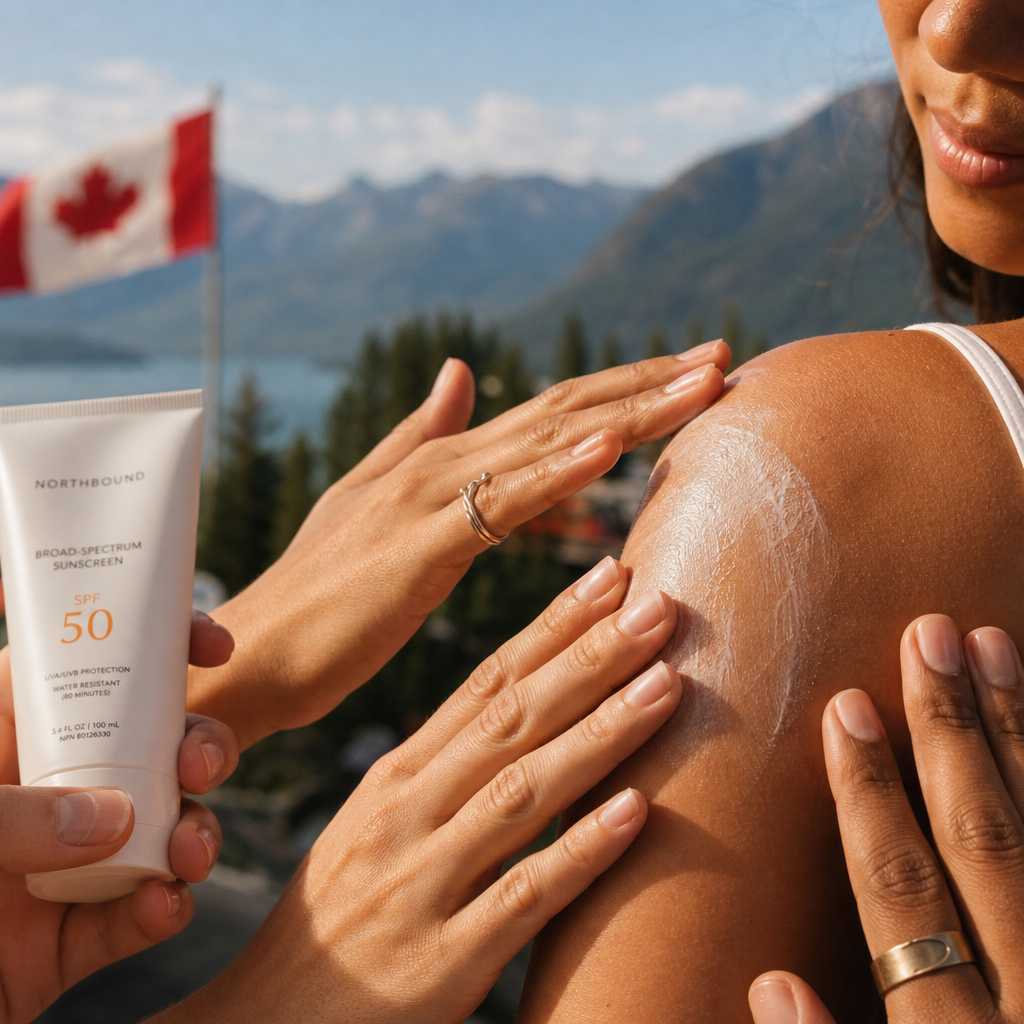
Canada Day long weekend ranks among the most skin-damaging holidays of the year. UV index readings in the Greater Toronto Area regularly hit 8 or above during late June and early July, which is classified as “very high” by Health Canada. And yet, a 2023 survey by the Canadian Dermatology Association found that fewer than 30 percent of Canadians reapply sunscreen correctly during outdoor activities. If you have recently had Botox, dermal fillers, micro-needling, or any laser treatment at a clinic like Skin Excellence Medispa in Aurora, skipping proper summer skin care tips is not just cosmetic carelessness. It is money wasted on treatments you are actively undoing.
Table of Contents
- Quick Takeaways
- Why Canada Day Is a High-Risk Day for Your Skin
- SPF the Right Way: What Actually Works
- Hydration Inside and Out
- Smart Choices Before, During, and After the Long Weekend
- Protecting Your Aesthetic Investment After Recent Treatments
- Comparing SPF Formats: Which One Actually Gets Used
- Frequently Asked Questions
- References
Quick Takeaways
| Key Insight | Explanation |
|---|---|
| SPF 30 is the minimum, not the standard | SPF 30 blocks about 97% of UVB rays. For Canada Day outdoor exposure of 4 or more hours, SPF 50 with broad-spectrum coverage is the practical starting point. |
| Reapplication timing is the most ignored rule | Sunscreen must be reapplied every 90 to 120 minutes when outdoors. Sweating and swimming reduce that window significantly. |
| Dehydration accelerates UV damage | Skin that is dehydrated shows fine lines more prominently and is less resilient to UV-induced oxidative stress. Aim for at least 2.5 litres of water during a full outdoor day. |
| Post-treatment skin has a lower UV threshold | Clients who have had micro-needling, PRP, laser, or chemical peels within the past two weeks should treat their skin as sensitive and apply SPF 50 plus physical UV barriers like hats and clothing. |
| Alcohol in beverages compounds sun damage | Alcohol dilates blood vessels and reduces the skin’s natural moisture barrier function, making sun damage worse. Alternating alcoholic drinks with water is a practical harm-reduction strategy. |
| Peak UV hours are 11 a.m. to 3 p.m. | Seeking shade or scheduling your indoor time during these hours is the single highest-impact behavioral change you can make for sun protection on Canada Day. |
| Antioxidant serums add a meaningful layer of protection | Topical Vitamin C applied in the morning before sunscreen neutralizes free radicals generated by UV exposure. It does not replace SPF but it meaningfully extends your skin’s defense window. |
Why Canada Day Is a High-Risk Day for Your Skin
July 1st in Aurora and across the Greater Toronto Area is typically one of the highest UV-exposure days of the year. The combination of the summer solstice proximity, extended daylight hours, and the fact that most people are outside from mid-morning through late evening creates a prolonged, often underestimated exposure window.
The UV index in Ontario peaks in late June and early July. Health Canada classifies a UV index of 6 or above as high risk, and Aurora regularly sees readings of 8 or 9 on clear Canada Day afternoons. At a UV index of 8, an unprotected fair-skinned person can begin to burn in as little as 15 minutes.
What makes the long weekend particularly problematic is behavioral, not just environmental. People drink more, stay out longer, forget to reapply sunscreen, and are less likely to seek shade because the social setting discourages it. In practice, Canada Day is not just one afternoon in the sun. It is often two or three full days of elevated exposure, which compounds damage in ways a single beach day does not.
If you are visiting a medical spa like Skin Excellence Medispa in Aurora for treatments designed to correct hyperpigmentation, fine lines, or texture concerns, unprotected long weekend sun exposure can set your results back by weeks or months.


SPF the Right Way: What Actually Works
Choosing the Right SPF Number
SPF 15 is a myth for outdoor summer use. It blocks roughly 93 percent of UVB rays, which sounds adequate until you consider that most people apply one-quarter of the recommended amount. In practice, your effective SPF drops dramatically when you underapply. SPF 50 broad-spectrum sunscreen is the clinical baseline for a Canada Day outdoor event, not an overcaution.
Broad-spectrum matters because it protects against both UVB rays (responsible for burning) and UVA rays (responsible for premature aging, collagen breakdown, and deeper skin damage). Many drugstore sunscreens still lack meaningful UVA protection despite having high SPF numbers. Look for products with zinc oxide or titanium dioxide as active ingredients, particularly if you have had recent cosmetic treatments.
How Much to Apply and When
The standard recommendation from dermatologists is one teaspoon of sunscreen for the face and neck, applied 20 minutes before sun exposure. Most people apply a fraction of this. A common mistake is treating sunscreen like moisturizer and spreading a thin film. You need a visible, slightly thick layer that you rub in, not a whisper of product.
Reapplication is where most Canada Day routines completely fall apart. Every 90 to 120 minutes of outdoor exposure requires a full reapplication. If you are swimming, sweating, or toweling off, that window shortens to 60 to 80 minutes. Sunscreen sticks and spray formats make reapplication on the go easier, but sprays require careful rubbing in to ensure even coverage.
Pro tip: Keep a dedicated travel-size SPF 50 sunscreen in your bag or cooler specifically for Canada Day weekend. Out of sight means out of routine. If it is in your hand every hour, you are far more likely to use it.
Mineral vs. Chemical Sunscreens
Mineral sunscreens (zinc oxide, titanium dioxide) sit on top of the skin and physically deflect UV rays. They are the better choice for anyone with sensitive skin, rosacea, or post-treatment skin. Chemical sunscreens absorb UV energy and convert it to heat. They tend to feel lighter but can irritate compromised skin barriers.
For clients who have recently had Botox, fillers, or laser treatments at Skin Excellence Medispa, mineral SPF is the recommended format for the two weeks following any procedure. The skin barrier is more reactive during the healing window, and mineral options carry a significantly lower risk of inflammatory reaction.
Hydration Inside and Out
Why Hydration Is a Sun Protection Strategy
Hydration is not simply a wellness afterthought. Well-hydrated skin has a more functional barrier, which reduces transepidermal water loss and helps the skin resist the oxidative stress caused by UV exposure. The data consistently shows that dehydrated skin shows measurably more UV-related damage at the cellular level compared to adequately hydrated skin under identical sun exposure conditions.
On a hot Canada Day, you are losing water through sweat, alcohol consumption, and the dry heat that often accompanies summer celebrations. If you are out for six or more hours, you need to be actively replacing fluid throughout the day. Two to three litres of water is a realistic target, not a suggestion.
Topical Hydration as a Daily Step
Your morning routine on Canada Day should include a hydrating serum with hyaluronic acid applied under sunscreen. Hyaluronic acid draws water into the skin and holds it there, which means your skin stays plumper and more resilient throughout the day. This is especially relevant for clients who have recently had Sculptra or dermal fillers, where keeping the treated tissue well-hydrated supports optimal product integration.
Pro tip: A facial mist with sodium PCA or glycerin can be spritzed over your sunscreen during the day to refresh surface hydration without disrupting your SPF layer. This works particularly well during outdoor events where washing your face and restarting your routine is not practical.
“Photoaging accounts for up to 90 percent of visible skin aging changes. Consistent daily sun protection and adequate hydration are the two most cost-effective anti-aging strategies available.” — Canadian Dermatology Association, 2022 Sun Safety Position Statement
Smart Choices Before, During, and After the Long Weekend
The Night Before: Set Yourself Up for Success
Do not exfoliate the night before Canada Day. Physical or chemical exfoliants thin the uppermost skin layer and increase UV sensitivity. Save your AHA or retinol application for after the long weekend is over. The night before, focus on a gentle cleanser, a hydrating serum, and a rich moisturizer to prep your barrier.

Check your sunscreen supply the night before and make sure you have enough for multiple reapplications. Running out at noon on July 1st when stores are potentially closed or busy is a completely avoidable problem.
During the Day: Behavioral Choices That Actually Matter
Seek shade strategically between 11 a.m. and 3 p.m. This is not about missing the fun. It is about spending those hours under a tree, an umbrella, or a canopy while still being present at the event. A wide-brim hat (at least 3 inches of brim) provides meaningful UV reduction to the face, ears, and neck. UV-protective clothing with a UPF 50 rating is the most reliable form of sun protection because it does not wash off, wear off, or get forgotten.
Alcohol is a skin dehydrator and a vasodilator. Drinking beer or coolers in the sun increases your risk of both dehydration and visible skin flushing. Alternating each alcoholic drink with a glass of water is not just good general advice. It is directly relevant to how your skin recovers from the day.
After the Weekend: Recovery Protocol
Sunday and Monday evenings call for a focused recovery routine. Cleanse gently, apply aloe vera or a fragrance-free recovery gel if you notice any redness, and follow with a rich overnight moisturizer. Hold off on active ingredients like retinol or exfoliating acids for 48 hours after any significant sun exposure.
If you notice persistent redness, swelling, or unusual pigmentation changes after the weekend, book a skin consultation. At Skin Excellence Medispa in Aurora, the team can assess whether treatments like a medical facial or a targeted skin rejuvenation session are appropriate to address any damage from the long weekend.
Protecting Your Aesthetic Investment After Recent Treatments
This section matters most if you have had a cosmetic treatment in the 30 days before Canada Day. Whether it is Botox, dermal fillers, Belkyra, micro-needling, laser hair removal, PRP or PRF therapy, or a medical facial, your skin is still in a post-treatment state during the long weekend. The rules are stricter, not optional.
Botox and dermal fillers are relatively sun-stable once injected, but heat and UV exposure can increase swelling and inflammation in the treatment area within the first two weeks. Avoid prolonged direct sun on freshly treated areas and wear SPF 50 plus a hat covering the face.
Micro-needling and PRP or PRF treatments create controlled micro-injury to stimulate collagen. Sun exposure during the healing phase (roughly two weeks) can lead to post-inflammatory hyperpigmentation, especially for medium and darker skin tones. Strict sun avoidance and SPF 50 mineral sunscreen are non-negotiable for micro-needling clients during the Canada Day weekend if the treatment was done within the past two weeks.
Laser hair removal and laser skin rejuvenation treatments increase photosensitivity significantly. If you had a laser session in late June, direct sun exposure over Canada Day weekend is something you should actively avoid or minimize with full physical UV barriers. Ask your practitioner at Skin Excellence Medispa for a specific post-laser protocol if the timing overlaps with the long weekend.
The investment in professional aesthetic treatments is real, both financially and in terms of healing time. Sun damage is the single most common reason that treatment results fade faster than expected. Protecting that investment over a single long weekend is entirely practical and achievable with consistent SPF use and smart behavioral choices.
Comparing SPF Formats: Which One Actually Gets Used
| SPF Format | Best Use Case for Canada Day | Key Consideration |
|---|---|---|
| Mineral Lotion (SPF 50, zinc oxide or titanium dioxide) | Post-treatment skin, sensitive or reactive skin, children, anyone with rosacea or active skin conditions | Can leave a slight white cast on deeper skin tones. Apply and blend before going outside. Does not require absorption time. |
| Chemical Sunscreen Fluid (SPF 50+ broad-spectrum) | Normal to oily skin types wanting a lightweight, no-residue finish for active outdoor days | Requires 20 minutes to activate after application. Can irritate post-treatment or sensitive skin. Not recommended within two weeks of laser or micro-needling. |
| SPF Stick or Compact (SPF 30-50 broad-spectrum) | Reapplication throughout the day over makeup or existing sunscreen, especially on the nose, cheeks, and forehead | Convenient and portable but coverage per pass is lighter. Requires multiple firm strokes over the same area to reach protective levels. Best used as a reapplication tool, not a first-layer product. |
Frequently Asked Questions
Can I wear SPF over my makeup on Canada Day?
Yes, and you should. SPF sticks and setting sprays formulated with UV filters are the most practical way to reapply sun protection over makeup. They are not as effective as a full lotion reapplication, but they are meaningfully better than nothing. Apply with firm strokes over the face rather than a light mist and rub gently to even out coverage.
Is SPF in my foundation or moisturizer enough for a full outdoor Canada Day?
No. SPF in cosmetic products is applied in quantities far too small to reach the labeled protection level. A foundation with SPF 20 applied at the thin layer most people use delivers the equivalent of roughly SPF 4 to 6 in real-world conditions. You need a dedicated sunscreen layer underneath your makeup as the primary UV barrier.
I had Botox two weeks ago. Can I be outside on Canada Day?
At two weeks post-Botox, most of the initial settling has occurred and moderate sun exposure with SPF 50 and a hat is generally well-tolerated. However, avoid extreme heat like full midday sun for extended periods, as heat can potentially influence local circulation and muscle response in treated areas. Check with your practitioner at Skin Excellence Medispa for personalized guidance based on your specific treatment and skin response.
What should I do if I get sunburned over the long weekend?
Cool the skin with room-temperature water, not ice. Apply a fragrance-free aloe vera gel or a soothing moisturizer with ceramides. Avoid retinol, exfoliants, and active serums for at least 72 hours. If blistering occurs or the burn covers a large area, consult a healthcare provider. For those with recent cosmetic treatments, contact your medispa to determine whether your post-procedure plan needs to be adjusted following sun damage.
How does drinking alcohol on Canada Day affect my skin specifically?
Alcohol suppresses the hormone that signals your kidneys to retain water, leading to increased urination and systemic dehydration. It also causes vasodilation, which worsens facial redness and flushing, particularly in people prone to rosacea or post-treatment sensitivity. Combined with UV exposure, alcohol accelerates the oxidative stress process in skin cells. The practical advice is to alternate alcoholic drinks with water and to eat regularly, which slows alcohol absorption.
Are there any skin treatments I should book before Canada Day to get ahead of summer damage?
Yes, but timing matters. Treatments that support barrier function and antioxidant capacity are ideal before the long weekend. A hydrating medical facial or a Vitamin C-focused skin treatment done one to two weeks before Canada Day can improve your skin’s resilience heading into high-UV weekend. Avoid any ablative or resurfacing treatments within two weeks of the long weekend. Book a consultation at Skin Excellence Medispa in Aurora to get a recommendation specific to your skin type and treatment history.
Does sunscreen need to go on my lips and ears too?
Yes. The lips have a very thin epidermal layer and no melanin in most people, making them particularly vulnerable to UV damage. Lip balm with SPF 30 or higher should be reapplied as often as sunscreen. The ears, back of the neck, and tops of the feet are among the most commonly burned and most commonly forgotten areas. These zones deserve the same deliberate SPF application as the face.
Have you found a specific sunscreen or Canada Day skin routine that has worked well for you? Share your experience or questions below. We would love to hear what the Skin Excellence community is doing to protect their skin this summer.
References
- Health Canada official guidance on UV index ratings, sun safety classifications, and outdoor exposure risk by season
- Canadian Dermatology Association position statements and public resources on sunscreen use, photoaging, and skin cancer prevention
- World Health Organization global resources on ultraviolet radiation, UV index methodology, and sun protection guidelines
- Skin Cancer Foundation clinical guidance on broad-spectrum SPF selection, reapplication protocols, and mineral versus chemical sunscreen comparisons
- American Academy of Dermatology evidence-based recommendations on daily sun protection, post-procedure skin care, and hydration for skin health