Most people who have been getting regular spa facials for years are surprised when a practitioner tells them their skin has not actually improved. That is not a criticism of the person. It is a problem with the treatment category. A relaxing facial and a medical facial in Aurora are not two versions of the same thing. They are fundamentally different in what they are permitted to do, what products they use, and what results they can deliver. If you are spending money and time on skin treatments, you deserve to understand the difference before booking your next appointment.
Table of Contents
- Quick Takeaways
- What Separates Medical Facials from Spa Facials
- The Ingredients Gap: Cosmetic vs. Medical Grade
- Who Is Performing Your Treatment and Why It Matters
- What a Medical Facial Can Actually Treat
- Comparison: Spa Facial vs. Medical Facial vs. Combination Approach
- Skin Treatment Aurora Ontario: What to Expect at a Medispa
- Common Mistakes When Choosing a Facial Treatment
- Frequently Asked Questions
- References
Quick Takeaways
| Key Insight | Explanation |
|---|---|
| Medical facials use prescription-strength actives | Ingredients like tretinoin, high-concentration AHAs, and growth factors are not available in spa-grade products. These compounds trigger real cellular change. |
| Spa facials cannot penetrate the dermis | Cosmetic products by regulation stay on or just below the skin surface. They cannot address pigmentation, collagen loss, or acne scarring at the source. |
| Practitioner credentials determine treatment depth | Medical facials at a licensed medispa are performed or supervised by nurses, physicians, or certified aestheticians working under medical oversight. |
| Results from medical facials are measurable | Conditions like melasma, active acne, rosacea, and fine lines show documented improvement rates with medical-grade protocols that spa treatments cannot replicate. |
| Not all medispas offer the same standard | A clinic offering a “medical facial” must have licensed oversight. Ask who formulates the protocols and what credentials the practitioner holds. |
| Downtime expectations differ significantly | Some medical facials involve mild peeling or redness for 24 to 72 hours. This is a sign of active skin remodeling, not a problem. |
| Combining treatments amplifies outcomes | Medical facials work well alongside micro-needling, PRP, or laser treatments for compounded skin improvement rather than surface maintenance. |
What Separates Medical Facials from Spa Facials
The clearest way to understand the difference is regulatory. In Canada, cosmetic products used in spa settings are classified under the Food and Drugs Act as products that alter appearance temporarily without affecting skin structure or function. Medical-grade products, by contrast, are formulated to create a biological change in the skin. That distinction is not just marketing language. It determines what a product is legally allowed to do.
A spa facial is designed to cleanse, hydrate, and temporarily brighten the skin. It feels good. The skin looks refreshed the next day. But the underlying conditions driving pigmentation, uneven texture, or visible aging remain unchanged. Spa aestheticians are also, in most provinces, restricted from using tools or products that break the skin barrier or cause significant exfoliation beyond a certain depth.
A medical-grade facial in the GTA operates in a different category entirely. Practitioners can use chemical peels at therapeutic concentrations, microdermabrasion at medical depth, enzyme therapies, and targeted serums with active ingredients formulated to drive cellular turnover and collagen stimulation. These are not comfort treatments. They are corrective ones.
Pro tip: When evaluating any clinic offering a “medical facial,” ask specifically which active ingredients are used and at what concentration. A clinic that cannot or will not answer that question is not offering a true medical-grade facial.

The Ingredients Gap: Cosmetic vs. Medical Grade
The formulation difference between spa and medical-grade products is substantial. Most retail and spa-grade skincare products contain low concentrations of active ingredients specifically because they need to be safe for general consumer use without professional supervision. The active ingredient is often present, but at a concentration that produces minimal biological effect.
What Medical-Grade Products Actually Contain
Medical-grade formulations used in clinic settings often include:
- Glycolic acid at concentrations between 20% and 70% (spa products typically cap at 5% to 10%)
- Retinol and retinoid derivatives at therapeutic doses not available over the counter
- Growth factors derived from stem cells or platelet-rich plasma to stimulate collagen synthesis
- Vitamin C (L-ascorbic acid) stabilized at 15% to 20%, compared to 5% or less in most retail serums
- Brightening agents like kojic acid, tranexamic acid, and azelaic acid at corrective strengths
These ingredients are not exotic. They are well-studied. The difference is that at therapeutic concentrations, they cross the epidermis and create a measurable change in the dermis where collagen, elastin, and pigment-producing cells actually live.
Why Retail Skincare Cannot Replace a Medical Facial
There is a common assumption that buying high-end skincare and applying it consistently produces the same result as professional treatment. The data does not support this. A 2021 review published in the Journal of Clinical and Aesthetic Dermatology found that at-home retinol application at standard over-the-counter concentrations showed significantly less collagen stimulation compared to in-office tretinoin or retinoid peel protocols. The delivery mechanism and concentration matter as much as the ingredient itself.
“The efficacy of topical skincare is almost entirely dependent on the concentration of active ingredients and their ability to penetrate the intended skin layer. Products formulated for general consumer use are deliberately restricted in both.” – Dr. Zoe Draelos, board-certified dermatologist and contributing editor, Journal of Cosmetic Dermatology
In practice, clients who come to Skin Excellence Medispa after years of consistent high-end skincare routines often show minimal structural improvement beneath the surface. The retail products maintained their skin’s surface hydration but did not address the dermal changes driving their concerns.
Who Is Performing Your Treatment and Why It Matters
The practitioner behind a medical facial is not interchangeable with a spa aesthetician. This is not a statement about skill or dedication. It is a statement about scope of practice. In Ontario, registered nurses, nurse practitioners, and physicians operating within a medical clinic can perform treatments that carry clinical risk, including deep chemical peels, microneedling, and treatments that penetrate the skin barrier. Aestheticians, regardless of experience, work within a non-medical scope in a spa setting.
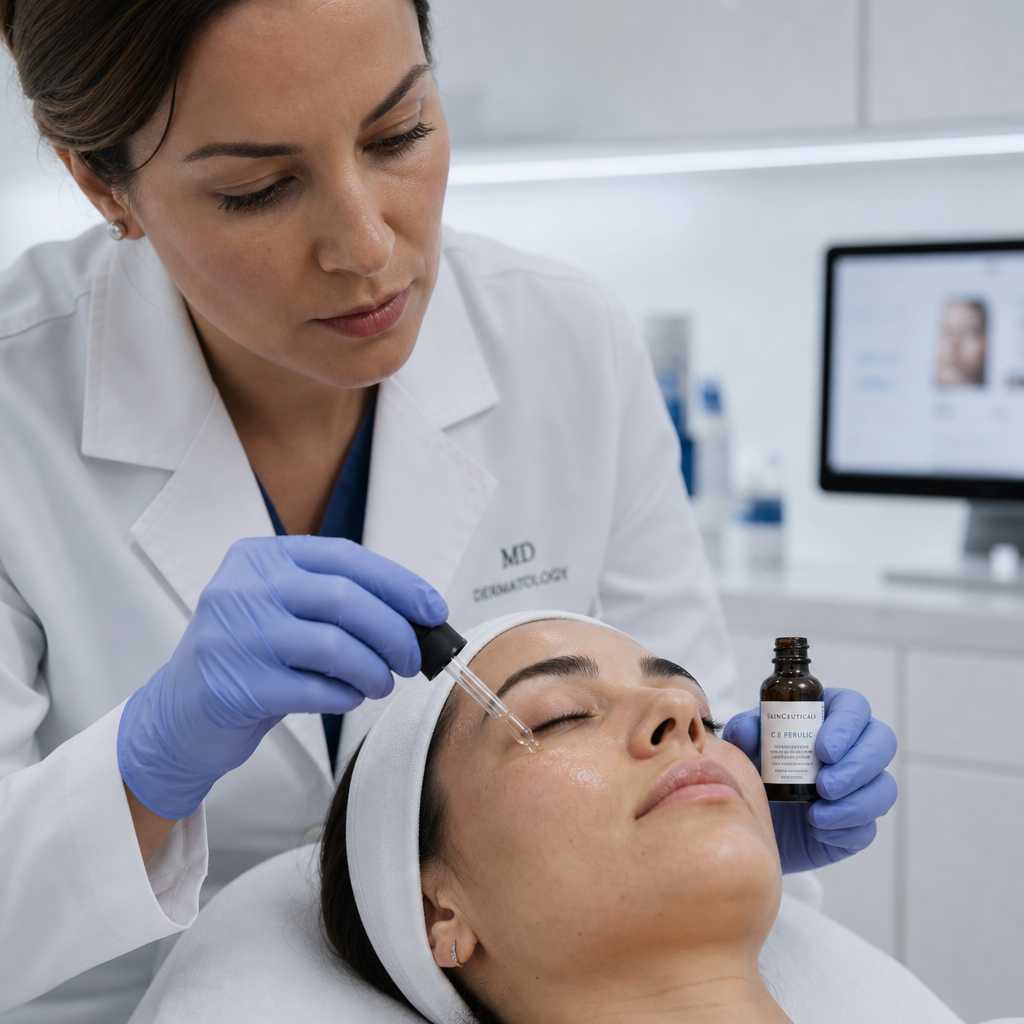
At a licensed medispa like Skin Excellence Medispa in Aurora, medical facials are delivered by practitioners working within a medically supervised environment. That means treatment protocols are assessed, customized, and monitored against your skin health, not just your aesthetic preferences. Pre-treatment skin analysis, medical history review, and post-treatment care guidance are part of the process, not optional add-ons.
A common mistake clients make is assuming a clinic with “med” or “medical” in its name is actually operating under medical oversight. In Ontario, this distinction matters legally. A true medispa must have a regulated health professional involved in the clinical side of treatments. Always ask about the structure of clinical oversight before committing to any skin treatment in Aurora or elsewhere in the GTA.
Pro tip: Before your first appointment at any clinic offering medical facials, request a consultation rather than booking directly online. A genuine medical aesthetic clinic will assess your skin concerns, discuss your goals, and explain which treatment protocol suits your specific needs. If they skip that step, so should you.
What a Medical Facial Can Actually Treat
This is where the practical value becomes clear. Medical facials, particularly when customized to a specific skin concern, produce measurable outcomes for conditions that spa facials cannot meaningfully address. The most common conditions treated with medical facial protocols include:
Hyperpigmentation and Melasma
Melasma is one of the most stubborn pigmentation conditions. It originates in the dermis and is triggered by UV exposure, hormonal shifts, and inflammation. Spa-grade brightening products applied to the epidermis do not reach the pigment deposits driving visible melasma. Medical-grade brightening protocols combining tranexamic acid, high-dose vitamin C, and targeted chemical exfoliation at corrective concentrations show significantly better outcomes. These are delivered safely only in a medically supervised setting.
Active Acne and Post-Acne Scarring
Active acne involves bacterial overgrowth, inflammation, and often hormonal factors. Salicylic acid at spa concentrations will clean pores. At medical-grade concentrations, it reduces sebum production, kills Cutibacterium acnes, and accelerates cellular turnover to prevent new breakouts. Post-acne scarring, particularly atrophic scars, requires treatments that reach the dermis, such as medical-grade chemical peels combined with micro-needling protocols.
Fine Lines and Early Volume Loss
Fine lines caused by collagen degradation and UV damage respond to medical-grade retinoid peels, growth factor serums, and treatments that stimulate fibroblast activity. These are not temporary plumping effects. The mechanism here is actual new collagen synthesis, which is measurable under skin imaging. Clients at Skin Excellence Medispa pursuing anti-aging outcomes often combine medical facials with Sculptra or micro-needling with PRP to drive collagen production from multiple angles simultaneously.

Comparison: Spa Facial vs. Medical Facial vs. Combination Approach
| Feature | Spa Facial | Medical Facial (Aurora Medispa) | Medical Facial + Advanced Treatment |
|---|---|---|---|
| Product strength | Cosmetic-grade, low actives | Medical-grade, therapeutic concentrations | Medical-grade plus injectable or energy-based adjuncts |
| Skin penetration depth | Epidermis only | Epidermis to upper dermis | Full dermal and subdermal (depending on adjunct) |
| Conditions addressed | Surface dryness, dullness, mild congestion | Hyperpigmentation, acne, fine lines, texture | Structural volume loss, deep scarring, significant laxity |
| Practitioner credential required | Aesthetician license | Medical oversight required | Registered nurse or physician required |
| Expected downtime | None | 24 to 72 hours mild redness or peeling | Varies by adjunct treatment |
| Duration of results | Days to one week | Weeks to months with protocol | Months to years depending on treatment combination |
| Suitable for maintenance | Yes, low risk | Yes, with clinical guidance | Yes, as part of a long-term plan |
Skin Treatment Aurora Ontario: What to Expect at a Medispa
If you have been referred to Skin Excellence Medispa by a friend, you are likely coming in with a specific concern rather than a vague desire to “look refreshed.” That is actually a better starting point. Specific concerns allow practitioners to design a targeted protocol rather than offer a generic treatment menu option.
A first appointment for a skin treatment in Aurora, Ontario at a proper medispa typically begins with a skin analysis. This is not a marketing step. It determines baseline skin health, identifies contraindications, and clarifies whether the presenting concern is primarily epidermal or dermal in origin. That distinction changes the treatment recommendation entirely.
The Consultation Before Any Medical Facial
The consultation should cover your current skincare routine, any medications or supplements you take, previous treatments, and your realistic timeline for results. Medical facials for conditions like melasma or post-acne scarring are not single-session fixes. A realistic protocol typically involves three to six sessions spaced over several months, with maintenance treatments following. Practitioners at Skin Excellence Medispa will outline this clearly rather than oversell a single appointment result.
Pairing Medical Facials With Other Treatments
Medical facials work exceptionally well as preparation for or recovery support after energy-based and injectable treatments. Combining a brightening medical facial with PRP therapy, for instance, uses the platelet-rich plasma’s growth factors to accelerate the cellular turnover triggered by the chemical exfoliation. This is an approach frequently used for clients pursuing comprehensive anti-aging outcomes at clinics serving the Aurora and GTA market. Micro-needling sessions, similarly, produce better outcomes when the skin is in a well-prepared, actively remodeling state from prior medical facial protocols.
Common Mistakes When Choosing a Facial Treatment
A common mistake is choosing a facial based on price rather than on clinical relevance to your concern. A premium spa facial is not a bargain version of a medical facial. They serve different purposes. If your concern is relaxation and temporary brightness, a spa facial is perfectly appropriate. If your concern is persistent pigmentation, acne scarring, or visible aging, spending money on a spa facial is not a step toward your goal. It is spending on the wrong category entirely.
Another mistake is expecting a medical facial to replace a treatment that operates at a different anatomical level. Medical facials address skin quality: texture, tone, pigmentation, and early surface aging. They do not replace fillers for volume loss, Botox for dynamic wrinkles, or Belkyra for submental fat. Understanding what each category of treatment does prevents disappointment and allows for smarter treatment planning.
Finally, many clients delay seeking a medical facial because they assume the treatment will be aggressive, painful, or require significant downtime. In practice, the majority of medical facial protocols produce mild and temporary effects, redness that fades within hours, mild flaking over two to three days, and a transient increase in skin sensitivity. These are manageable and, more importantly, they are signs that the treatment worked.
Pro tip: If a friend referred you to Skin Excellence Medispa specifically, ask them which treatment they received and what their recovery looked like. Firsthand experience from someone with a similar skin type and concern is one of the most reliable inputs when setting your own expectations.

Frequently Asked Questions
How is a medical facial different from a regular facial at a spa?
A medical facial uses higher-concentration active ingredients that are only available in a clinical setting, delivered by or under the supervision of a regulated health professional. A regular spa facial uses cosmetic-grade products that are restricted in their ability to alter skin structure. The outcome difference is significant: medical facials produce measurable improvements in skin conditions like pigmentation, acne, and texture, while spa facials primarily maintain surface appearance.
Is a medical facial painful?
Most medical facials involve mild to moderate sensations including tingling, warmth, or temporary stinging depending on the active ingredients used. High-concentration chemical peels may cause more noticeable discomfort, but practitioners manage this with pre-treatment preparation and appropriate peel neutralization. The experience is not typically described as painful. Most clients report tolerable sensations with clear post-treatment improvement that makes the process worthwhile.
How many medical facial sessions do I need to see results?
For mild concerns like surface dullness or early fine lines, two to three sessions spaced four weeks apart typically produce visible improvement. For more resistant conditions like melasma or post-acne scarring, a protocol of four to six sessions is usually recommended, followed by maintenance treatments every eight to twelve weeks. A single session will show some improvement, but sustained results require a consistent clinical protocol.
Can I get a medical facial in Aurora if I have sensitive skin?
Yes, and sensitive skin often benefits most from a properly calibrated medical facial. The key is the initial skin assessment, which determines which actives are appropriate and at what concentration. Clients with rosacea, reactive skin, or compromised barrier function are not automatically excluded. They are treated with protocols that address their specific inflammatory profile rather than a standard peel or exfoliation approach.
Are medical facials at a medispa in the GTA covered by insurance?
Medical facials are considered elective cosmetic treatments and are not covered by OHIP or standard private health insurance plans in Ontario. Some health spending accounts or flexible benefit plans allow cosmetic procedures at licensed medical clinics as eligible expenses, but this varies by plan. Check your plan documentation directly or speak with your benefits provider.
How do I know if a clinic offering “medical facials” in Aurora is legitimate?
A legitimate medical aesthetic clinic will have regulated health professionals, either registered nurses, nurse practitioners, or physicians, involved in clinical oversight. They will conduct a skin assessment before treatment, explain the specific products and protocols they use, and be transparent about realistic outcomes and any downtime involved. If a clinic cannot clearly identify who oversees their clinical protocols, that is a significant concern.
What should I do to prepare for my first medical facial?
Avoid retinoids, strong exfoliants, or active peels for at least five to seven days before your appointment. Come with clean skin and no makeup. Disclose all medications, especially anything photosensitizing, and any recent cosmetic treatments. After your appointment, follow the post-care guidance provided by your practitioner closely. Sun protection is non-negotiable in the days following a medical facial, as freshly exfoliated skin is highly vulnerable to UV-induced pigmentation.
If you have had a medical facial or are currently trying to decide between a spa treatment and a clinical one, share what drove your decision and what results you saw. Real experiences from people in the Aurora and GTA area are genuinely useful for others trying to make the same call.
We would love your feedback and any insights you would share with others. What perspective would you add?
References
- PubMed and NIH research database for peer-reviewed clinical studies on chemical peels, retinoids, and medical-grade skin treatments
- Health Canada regulatory framework for cosmetic and drug product classification in Canada
- American Academy of Dermatology clinical guidelines on topical treatments, chemical peels, and evidence-based skin care
- Statista market research on the global medical spa and aesthetic treatment industry trends
- Forbes reporting on the growth of medical aesthetics, consumer spending, and the rise of medispa services in North America