
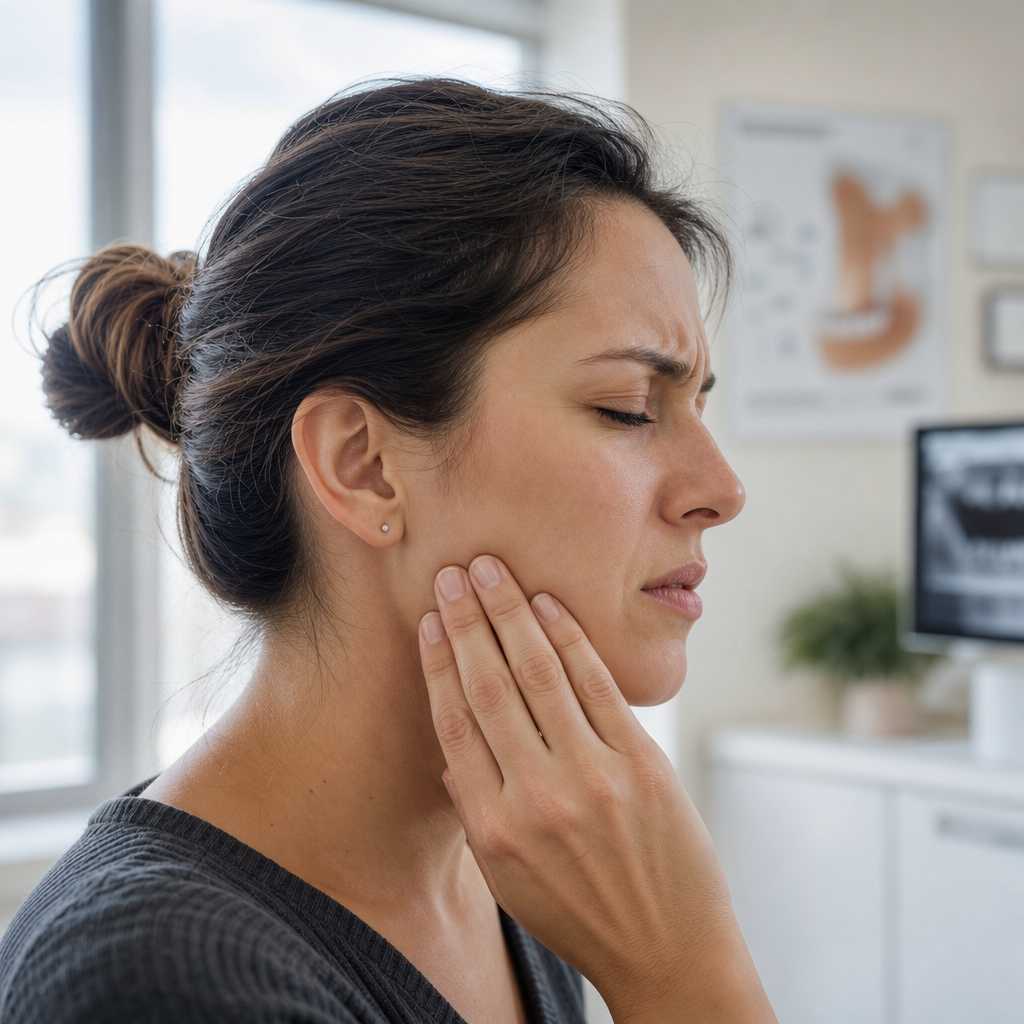
If you wake up with a sore jaw, chronic headaches, or a dull ache near your ears that no dentist has been able to fix permanently, you are likely dealing with temporomandibular joint dysfunction, commonly called TMJ. What most people in Aurora and the Greater Toronto Area do not know is that Botox for TMJ Aurora has become one of the most effective, fast-acting interventions available without surgery. At Skin Excellence Medispa, we see clients every week who have tried night guards, physiotherapy, and prescription anti-inflammatories before discovering that a few precise injections into the masseter muscle change everything. This article explains the science, the process, and the real-world results so you can make an informed decision.
Table of Contents
- Quick Takeaways
- What Is TMJ and Why Does It Cause So Much Pain
- How Botox Works on the Jaw
- The Injection Process: What to Expect at Skin Excellence Medispa
- Jaw Botox GTA: Why Aurora Residents Are Choosing Medispa Treatment
- Comparing TMJ Treatment Options
- Who Is a Good Candidate for TMJ Botox
- Results Timeline and Longevity
- Frequently Asked Questions
- References
Quick Takeaways
| Key Insight | Explanation |
|---|---|
| Botox relaxes the masseter muscle directly | By blocking acetylcholine release at the neuromuscular junction, Botox reduces the grinding force that causes TMJ pain and damage. |
| Results typically appear within 1 to 2 weeks | Most clients at Skin Excellence Medispa report noticeable pain reduction within 7 to 14 days of their first treatment session. |
| Treatments last 3 to 6 months on average | Repeat sessions are needed to maintain relief, but many clients find that consistent treatment reduces jaw muscle hypertrophy over time. |
| Night guards treat symptoms; Botox treats the muscle | A night guard protects teeth but does nothing to reduce the excessive force generated by an overactive masseter. Botox addresses the root cause. |
| TMJ Botox also creates a slimmer jawline | As the masseter muscle loses bulk, the lower face narrows, which many clients consider a welcome cosmetic bonus alongside the therapeutic benefit. |
| Dosage precision matters enormously | Under-dosing fails to provide relief; over-dosing can affect chewing. An experienced injector at a licensed medispa is essential for correct placement and units. |
| Ontario residents can access this treatment without a surgical referral | Jaw Botox GTA clinics like Skin Excellence Medispa offer this as an outpatient procedure with no downtime and no hospital wait lists. |
What Is TMJ and Why Does It Cause So Much Pain

The temporomandibular joint connects your lower jaw to your skull just in front of each ear. When this joint is strained, inflamed, or placed under excessive mechanical load, it produces a constellation of symptoms that many people misattribute to dental problems, tension headaches, or even ear infections.
According to the National Institute of Dental and Craniofacial Research, temporomandibular disorders affect more than 10 million Americans, and Canadian prevalence data follows a similar pattern. The most common driver is bruxism, the involuntary grinding or clenching of teeth, often during sleep. The masseter muscle, responsible for chewing, is one of the strongest muscles in the human body relative to its size. When it fires repeatedly and forcefully overnight, the cumulative stress on the joint is significant.
Symptoms include jaw soreness upon waking, clicking or popping sounds when opening the mouth, difficulty chewing hard foods, radiating pain into the temples, chronic tension headaches, and sometimes earaches with no infection present. Many clients who come to Skin Excellence Medispa in Aurora have been managing these symptoms for years before learning that TMJ treatment Ontario via Botox even existed.
Pro tip: If your headaches cluster around the temples and worsen in the morning, this is a strong indicator that overnight jaw clenching is the cause. Mention this pattern specifically when consulting your injector, as it helps guide dosage and injection placement.
How Botox Works on the Jaw
Botox, or botulinum toxin type A, works by temporarily blocking the signal that nerve endings send to muscle fibres. In aesthetic treatments for wrinkles, this relaxes the small facial muscles that create expression lines. In TMJ treatment, the same mechanism targets the masseter muscle and sometimes the temporalis muscle, both of which contribute to clenching force.
The Neuromuscular Mechanism
When injected into the masseter, Botox inhibits the release of acetylcholine at the neuromuscular junction. The muscle cannot contract with its normal force. It does not become paralyzed in a way that prevents basic chewing, because the dose is calibrated to reduce excessive force rather than eliminate all muscle function. Think of it as turning down the volume on a muscle that has been running at maximum for years.
The result is a dramatic reduction in the grinding pressure applied to the TMJ. With less mechanical load, the inflamed joint tissue gets a chance to recover. Headaches diminish. Jaw soreness upon waking decreases or disappears. Many clients describe it as finally getting a full night of rest because their jaw is no longer working against them while they sleep.
Why the Masseter Is the Primary Target
The masseter is the muscle you feel bulging at the side of your jaw when you clench your teeth. In people with chronic bruxism, this muscle is often visibly enlarged and hardened. This hypertrophy is both a symptom and a perpetuating factor. A larger, stronger masseter generates more force, which causes more joint stress, which often increases clenching as the body responds to discomfort.
Botox breaks this cycle. Over multiple treatment sessions, many clients see a measurable reduction in masseter size, which lowers baseline clenching force even between treatment cycles. The data consistently shows that patients who maintain regular treatment intervals experience progressively longer relief between sessions as the muscle gradually reconditions to a less hyperactive state.
“Botulinum toxin injections into the masseter have demonstrated significant reductions in pain scores and jaw muscle tenderness in randomized controlled trials, with effects measurable as early as one week post-injection.” – Journal of Oral and Maxillofacial Surgery, cited in multiple clinical reviews on TMJ management
The Injection Process: What to Expect at Skin Excellence Medispa
A lot of clients arrive at our Aurora clinic expecting a complicated procedure. In practice, the entire appointment typically takes 20 to 30 minutes, most of which is the consultation and muscle assessment. The actual injections take under five minutes per side.
The Consultation and Muscle Mapping
The first step is identifying the exact size and position of each masseter muscle. Your injector will ask you to clench your teeth so the muscle becomes prominent and palpable. The treatment area is marked, and the number of units is determined based on muscle bulk and the severity of your symptoms. A common mistake made at less experienced clinics is using a one-size-fits-all unit count. Someone with significant masseter hypertrophy needs more units than someone with moderate clenching. Underdosing is the most frequent reason people report inadequate relief elsewhere.
At Skin Excellence Medispa, consultations involve a full facial assessment because jaw clenching often co-exists with tension in the neck and temples. This broader view helps us determine whether the temporalis muscle should also be treated alongside the masseter.
The Injection Itself
A fine-gauge needle is used for each injection point. Most clients describe the sensation as a brief pinch. There is no numbing cream required, though it can be offered for particularly anxious patients. Three to five injection points per side is standard. The procedure is done while the client is seated upright.
Immediately after, you may notice mild redness or a small amount of swelling at the injection sites. This resolves within hours. There is no required downtime. Most clients return to work the same day.
Pro tip: Avoid vigorous exercise, facials, and lying flat for four hours after your jaw Botox appointment. This reduces the small risk of toxin migration away from the target muscle and ensures you get the full therapeutic effect from every unit injected.

Jaw Botox GTA: Why Aurora Residents Are Choosing Medispa Treatment
There is a meaningful reason the demand for jaw Botox GTA has grown substantially over the past few years. The traditional treatment pathway for TMJ dysfunction in Ontario involves referrals, wait times, custom dental appliances, and sometimes specialist consultations that stretch over months. Many patients complete that pathway and still experience chronic symptoms.
A medical aesthetic clinic like Skin Excellence Medispa offers something the traditional pathway does not: direct access to an experienced injector, same-week appointments, and a treatment modality that addresses the muscular component of the problem rather than its downstream effects on the teeth.
Why Aurora Specifically Makes Sense
Aurora sits at a convenient point for residents across York Region and the northern GTA, including Newmarket, Richmond Hill, King City, and Barrie commuters. Clients who live in these communities often drive past larger city clinics specifically to come to Skin Excellence Medispa because of the personalized, practitioner-led approach and because they were referred by someone they trust.
The referral-driven nature of our client base at Skin Excellence Medispa is telling. When someone refers their friend for TMJ Botox, it is because they experienced real, meaningful relief. Generic chain medispas do not tend to generate that kind of word-of-mouth. Clients refer when they feel they received a genuinely customized treatment from someone who understood their specific anatomy and symptoms.
What Sets a Quality TMJ Botox Clinic Apart
Not all clinics offering jaw Botox in the GTA are equally equipped for therapeutic TMJ treatment. Cosmetic jaw slimming and TMJ relief use the same injection site but require different clinical thinking. A cosmetic injector optimizing for aesthetic outcome may not be asking the right questions about headache frequency, sleep disruption, or clicking and locking. An experienced therapeutic injector asks both sets of questions and tailors the treatment accordingly.
Skin Excellence Medispa practitioners are trained to address the overlap between aesthetic and therapeutic goals, which means clients often see jaw contouring benefits alongside meaningful TMJ symptom relief in the same treatment session.
Comparing TMJ Treatment Options
Understanding how Botox fits within the broader landscape of TMJ treatments helps clients make confident decisions. Here is a direct comparison of the three most common approaches used by adults managing TMJ dysfunction in Ontario.
| Treatment Option | How It Works | Best For |
|---|---|---|
| Botox Jaw Injections | Reduces masseter muscle contraction force by blocking neuromuscular signaling. Addresses the muscular source of grinding and joint overload directly. Effects last 3 to 6 months. | Adults with moderate to severe bruxism, masseter hypertrophy, chronic jaw pain, or TMJ-related headaches who want fast, non-surgical relief with no downtime. |
| Custom Occlusal Night Guard | A dental appliance worn during sleep that creates a barrier between upper and lower teeth to reduce wear and redistribute bite force. Does not reduce muscle activity. | Mild to moderate bruxism where tooth protection is the primary concern. Often used alongside Botox for comprehensive management. |
| Physiotherapy and Exercises | Targets posture, neck tension, and jaw mobility through manual therapy and guided exercises. Addresses contributing musculoskeletal factors but requires consistent long-term effort. | Clients with TMJ dysfunction linked to cervical posture issues or those seeking a complementary approach to medical treatment. |
In practice, the most effective approach for clients with significant chronic symptoms is a combination: Botox to address the overactive muscle, a night guard to protect the teeth while the Botox takes effect, and physiotherapy if postural factors are contributing. But for clients who need meaningful relief quickly, Botox is consistently the most direct path to getting there.
Who Is a Good Candidate for TMJ Botox
The best candidates for TMJ Botox at Skin Excellence Medispa are adults who experience persistent jaw-related symptoms that interfere with sleep quality, daily comfort, or concentration. Specific indicators include waking with jaw soreness or stiffness more than three days per week, audible or palpable grinding reported by a sleep partner, visible masseter bulging when biting down, or recurring tension headaches that cluster at the temples and jaw.
People who are not suitable candidates include those who are pregnant or breastfeeding, individuals with neuromuscular disorders such as myasthenia gravis or Lambert-Eaton syndrome, and anyone with an active infection at the injection site. A thorough health history is always taken at Skin Excellence Medispa before any injection is administered.
Age is not a disqualifying factor. We treat clients in their late twenties through their sixties for TMJ-related jaw Botox. Stress-driven clenching does not discriminate by age group. What matters is the presence of active symptoms and a masseter muscle that responds to palpation and functional testing during the consultation.
Pro tip: If you are on the fence about whether your symptoms qualify, book a consultation rather than trying to self-diagnose. The assessment itself is informative. Many clients arrive uncertain and leave with a clear clinical picture of what is happening in their jaw and a concrete treatment plan.
Results Timeline and Longevity
Botox for TMJ does not produce instant results. The neuromuscular blocking effect develops gradually as the toxin binds to nerve terminals over several days. Most clients notice the first signs of relief between day 5 and day 10. Full effect is typically reached by day 14.
Headaches are often the first symptom to improve, followed by morning jaw soreness, and then the clicking and popping associated with joint stress. Some clients notice that they are sleeping more deeply within the first two weeks, which is a direct consequence of reduced overnight grinding activity.
How Long Results Last
The average duration of therapeutic effect from jaw Botox is 3 to 6 months. This is a genuine range, not an evasive estimate. Variables include the initial dosage, the client’s individual metabolism of the toxin, and whether underlying stress factors are being managed. Clients who receive their second treatment before symptoms return in full tend to get progressively longer intervals of relief, because the masseter has had less opportunity to rebuild its hypertrophied bulk between sessions.
Many regular clients at Skin Excellence Medispa schedule their jaw Botox on the same cadence as their cosmetic Botox appointments, typically every three to four months. This approach keeps symptoms well-controlled year-round and gradually reduces the baseline severity of their TMJ condition.
Long-Term Muscle Changes
Consistent TMJ treatment Ontario via Botox produces a structural change in the masseter over time. The muscle atrophies modestly because it is no longer being pushed to maximum contraction repeatedly. This is desirable. A smaller masseter generates less destructive grinding force, which means less joint stress, less headache, and a lower baseline of discomfort even when the Botox itself has worn off. Clients who have been receiving treatment for two or more years consistently report that their symptoms between sessions are milder than they were at the beginning of their treatment history.
Frequently Asked Questions
How many units of Botox are needed for TMJ treatment?
Most adults require between 20 and 30 units per side, for a total of 40 to 60 units across both masseters. This is higher than most cosmetic facial treatments because the masseter is a large, powerful muscle. Clients with significant hypertrophy or severe grinding may need up to 35 units per side. Your injector at Skin Excellence Medispa will assess your muscle bulk during consultation and provide a unit recommendation before any treatment begins.
Is Botox for TMJ covered by insurance in Ontario?
Most private health insurance plans in Ontario do not cover Botox administered at a medical spa, even for therapeutic purposes. Some extended health benefit plans with a paramedical or medical specialist allowance may partially reimburse the cost, but this varies by plan. We recommend contacting your insurer directly with a description of the treatment before booking if reimbursement is a factor in your decision.
Will jaw Botox affect my ability to chew?
When dosed and placed correctly, jaw Botox reduces grinding force without eliminating normal chewing function. You will notice that biting down on hard foods feels slightly different, and some clients find chewing very tough foods like raw carrots takes slightly more effort for the first few weeks. This effect is temporary and mild. It is not the same as difficulty eating. A well-trained injector places units to target the clenching reflex while preserving functional chewing capacity.
Can jaw Botox be combined with cosmetic Botox in the same appointment?
Yes, and this is actually quite common at Skin Excellence Medispa. Many clients combine jaw Botox for TMJ relief with forehead, frown line, or crow’s feet treatment in a single appointment. The treatments do not interfere with each other, and combining them is efficient and cost-effective. Your injector will sequence the injections logically and ensure each area receives the correct unit count for its specific purpose.
How soon can I return to work after jaw Botox?
Immediately. There is no downtime. Mild redness and small bumps at injection sites typically resolve within two to four hours. Most clients book appointments during a lunch break or between errands. The only restrictions are to avoid strenuous exercise, prolonged heat exposure like saunas or hot tubs, and massaging the treated area for the first four hours after injection.
Is there a difference between jaw Botox for TMJ and jaw Botox for face slimming?
The injection site is the same but the clinical goals and conversation are different. For TMJ, your injector focuses on symptom relief, muscle force reduction, and headache frequency. For face slimming, the focus is on aesthetic jawline contouring. In many cases the outcomes overlap, and clients who come in for one purpose often benefit from both. At Skin Excellence Medispa, we discuss both angles during consultation so you leave with a clear understanding of what your specific treatment is designed to achieve.
Have you tried Botox for TMJ or are you considering it as a solution for your jaw pain? Share your experience or questions in the comments below, we would love to hear what has worked or what is holding you back from booking.
References
- National Institute of Dental and Craniofacial Research: official source for TMJ disorder prevalence data and treatment research in North America
- National Center for Biotechnology Information: peer-reviewed clinical studies on botulinum toxin injections for temporomandibular disorders and masseter hypertrophy
- Mayo Clinic: trusted medical reference on TMJ disorders, symptoms, causes, and evidence-based treatment options
- Harvard Health Publishing: patient-facing medical guidance on bruxism, jaw pain, and non-surgical intervention approaches
- Health Canada: regulatory information on the approved therapeutic and cosmetic uses of botulinum toxin products in Canada